Skip to content
  • Skip to main content

Addiction Helper - Rehab Now

Because Recovery Starts with the Right Help!

  • Home
  • About Us
  • Services
    • Mental Health Service
      • Health Assessment
      • Family Intervention
      • Case Management
      • Psychologists in Cape Town
      • Psychiatrists in Cape Town
      • Sober Companion
      • Sober Transport
  • Addiction
    • Alcohol Addiction
    • Drug Addiction
    • Process Addiction
    • Gambling Addiction
    • Eating Disorders
      • Anorexia Nervosa
      • Bulimia Nervosa
      • Binge Eating Disorder (BED)
      • Avoidant/Restrictive Food Intake Disorder (ARFID)
      • Other Specified Feeding or Eating Disorder (OSFED)
  • South Africa Rehab
    • South Africa Alcohol Rehab
      • Eastern Cape Alcohol Rehab
      • Western Cape Alcohol Rehab
      • Gauteng Alcohol Rehab
      • Limpopo Alcohol Rehab
      • Kwazulu Natal Alcohol Rehab
      • Northern Cape Alcohol Rehab
      • Mpumalanga Alcohol Rehab
    • South Africa Cannabis Rehab
      • Eastern Cape Cannabis Rehab
      • Western Cape Cannabis Rehab
      • Gauteng Cannabis Rehab
      • Limpopo Cannabis Rehab
      • Kwazulu Natal Cannabis Rehab
      • Northern Cape Cannabis Rehab
      • Mpumalanga Cannabis Rehab
    • South Africa Cat Rehab
      • Eastern Cape Cat Rehab
      • Western Cape Cat Rehab
      • Gauteng Cat Rehab
      • Limpopo Cat Rehab
      • Kwazulu Natal Cat Rehab
      • Northern Cape Cat Rehab
      • Mpumalanga Cat Rehab
    • South Africa Cocaine Rehab
      • Eastern Cape Cocaine Rehab
      • Western Cape Cocaine Rehab
      • Gauteng Cocaine Rehab
      • Limpopo Cocaine Rehab
      • Kwazulu Natal Cocaine Rehab
      • Northern Cape Cocaine Rehab
      • Mpumalanga Cocaine Rehab
    • South Africa Crack Rehab
      • Eastern Cape Crack Rehab
      • Western Cape Crack Rehab
      • Gauteng Crack Rehab
      • Limpopo Crack Rehab
      • Kwazulu Natal Crack Rehab
      • Northern Cape Crack Rehab
      • Mpumalanga Crack Rehab
    • South Africa Crystal Meth Rehab
      • Eastern Cape Crystal Meth Rehab
      • Western Cape Crystal Meth Rehab
      • Gauteng Crystal Meth Rehab
      • Limpopo Crystal Meth Rehab
      • Kwazulu Natal Crystal Meth Rehab
      • Northern Cape Crystal Meth Rehab
      • Mpumalanga Crystal Meth Rehab
    • South African Heroine Rehab
      • Eastern Cape Heroin Rehab
      • Western Cape Heroin Rehab
      • Gauteng Heroin Rehab
      • Limpopo Heroin Rehab
      • Kwazulu Natal Heroin Rehab
      • Northern Cape Heroin Rehab
      • Mpumalanga Heroin Rehab
    • South Africa Madrax Rehab
      • Eastern Cape Madrax Rehab
      • Western Cape Mandrax Rehab
      • Gauteng Mandrax Rehab
      • Limpopo Mandrax Rehab
      • Kwazulu Natal Mandrax Rehab
      • Northern Cape Mandrax Rehab
      • Mpumalanga Mandrax Rehab
    • Cape Town Drug and Alcohol Rehab
      • Cape Flats Drug and Alcohol Rehab
        • Strandfontein Drug & Alcohol Rehab
        • Nyanga Drug & Alcohol Rehab
        • Athlone Drug & Alcohol Rehab
        • Mitchells Plain Drug & Alcohol Rehab
        • bonteheuwel Drug & Alcohol Rehab
        • Khayelitsha Drug & Alcohol Rehab
        • Handover Park Drug & Alcohol Rehab
        • Manenberg Drug & Alcohol Rehab
        • Gugulethu Drug & Alcohol Rehab
        • Heideveld Drug & Alcohol Rehab
        • Langa Drug & Alcohol Rehab
      • Northern Suburbs Drug and Alcohol Rehab
        • Kuilsriver Drug & Alcohol Rehab
        • Brackenfell Drug & Alcohol Rehab
        • Goodwood Drug & Alcohol Rehab
        • Kraaifontein Drug & Alcohol Rehab
        • Bellville Drug & Alcohol Rehab
      • Southern Suburbs Drug and Alcohol Rehab
        • Observatory Drug & Alcohol Rehab
        • Grassy Park Drug & Alcohol Rehab
        • Wynberg Drug & Alcohol Rehab
        • Pinelands Drug & Alcohol Rehab
        • Rosebank Drug & Alcohol Rehab
        • Rondebosch Drug & Alcohol Rehab
        • Ottery Drug & Alcohol Rehab
        • Lansdown Drug & Alcohol Rehab
        • Claremont Drug & Alcohol Rehab
        • Mowbray Drug & Alcohol Rehab
      • City Center Drug and Alcohol Rehab
        • Walmer Estate Drug & Alcohol Rehab
        • Woodstock Drug & Alcohol Rehab
        • Distric Six Drug & Alcohol Rehab
      • Greenpoint Drug & Alcohol Rehab
      • Seapoint Drug & Alcohol Rehab
      • Camps Bay Drug & Alcohol Rehab
      • Clifton Drug & Alcohol Rehab
      • Hout Bay Drug & Alcohol Rehab
    • Johannesburg Drug and Alcohol Rehab
      • Randburg Drug & Alcohol Rehab
      • Midrand Drug & Alcohol Rehab
      • Bedfordview Drug & Alcohol Rehab
      • Benoni Drug & Alcohol Rehab
      • Boksburg Drug & Alcohol Rehab
      • Kempton Park Drug & Alcohol Rehab
      • Center in Johannesburg Drug & Alcohol Rehab
      • Center in Alberton Drug & Alcohol Rehab
    • Durban Drug and Alcohol Rehab
      • Newlands East Drug & Alcohol Rehab
      • Newlands West Drug & Alcohol Rehab
      • Montclair Drug & Alcohol Rehab
      • Chatsworth Central Drug & Alcohol Rehab
      • Avoca Drug & Alcohol Rehab
      • North Beach Drug & Alcohol Rehab
      • Resevoir Hills Drug & Alcohol Rehab
      • Yellowwood Park Drug & Alcohol Rehab
      • Bluff Drug & Alcohol Rehab
      • Musgrave Drug & Alcohol Rehab
    • Eastern Cape Drug and Alcohol Rehab
      • Summerstrand Drug & Alcohol Rehab
      • Queenspark Drug & Alcohol Rehab
      • Lorraine Drug & Alcohol Rehab
      • East London Drug & Alcohol Rehab
      • Lovemore Heights Drug & Alcohol Rehab
      • Mill Park Drug & Alcohol Rehab
      • Port Elizabeth Drug & Alcohol Rehab
      • Humewood Drug & Alcohol Rehab
      • Jeffreys Bay Drug & Alcohol Rehab
      • Walmer Drug & Alcohol Rehab
      • Bluewater Bay Drug & Alcohol Rehab
  • Medical Aid Rehab
    • Discovery Medical Aid Rehab
    • Gems Medical Aid Rehab
    • Bonitas Medical Aid Rehab
    • Polmed Medical Aid Rehab
    • Momentum Medical Aid Rehab
  • Adolescent Rehab
    • Adolescent Rehab Cape Town
    • Adolescent Rehab Houtbay
    • Adolescent Rehab Clifton
      • Adolescent Rehab Seapoint
    • Adolescent Rehab Camps Bay
    • Adolescent Rehab Greenpoint
  • Contact Us
  • Facebook

Uncategorized

Recovery and Addiction: Building a Life Beyond Substance Use

31 July 2026

The journey through recovery and addiction represents one of the most challenging yet transformative experiences a person can undertake. Understanding that addiction is a chronic disease affecting the brain's reward, motivation, and memory systems helps frame recovery as an ongoing process rather than a single event. With professional support, evidence-based treatment, and commitment to personal growth, individuals can reclaim their lives and build meaningful futures beyond substance use. This comprehensive exploration examines the multifaceted nature of recovery, from initial treatment decisions through long-term maintenance strategies.

Understanding the Recovery Process

Recovery extends far beyond simply stopping substance use. SAMHSA outlines the guiding principles that define recovery as a process of change through which individuals improve their health and wellness, live self-directed lives, and strive to reach their full potential. This holistic definition acknowledges that recovery and addiction are interconnected in complex ways.

The path to recovery typically unfolds across several stages:

  1. Pre-contemplation – Not yet recognizing the problem
  2. Contemplation – Acknowledging the issue and considering change
  3. Preparation – Making plans and commitments to change
  4. Action – Actively modifying behaviors and environment
  5. Maintenance – Sustaining changes and preventing relapse

Each stage requires different strategies and support systems. Understanding where someone stands in this continuum helps tailor interventions appropriately.

The Four Dimensions of Recovery

Recovery encompasses multiple life areas that require attention and nurturing:

  • Health – Managing physical and mental wellness through proper nutrition, exercise, sleep, and medical care
  • Home – Creating a stable, safe living environment free from substance triggers
  • Purpose – Finding meaningful activities, work, education, or volunteer opportunities
  • Community – Building supportive relationships and social networks

Addressing all four dimensions creates a comprehensive foundation for sustainable recovery and helps individuals rebuild their lives systematically.

Four dimensions of recovery

Treatment Approaches in Recovery and Addiction

Professional treatment forms the cornerstone of successful recovery for most individuals. The treatment landscape offers various options tailored to different needs, severity levels, and personal circumstances.

Inpatient Rehabilitation Programs

Inpatient programs provide immersive, structured environments where individuals can focus entirely on recovery. These programs typically last 28 to 90 days and offer round-the-clock medical supervision, particularly crucial during detoxification phases.

Program Type Duration Best For Key Features
Short-term residential 28-30 days Moderate addiction severity Intensive therapy, medical supervision
Long-term residential 60-90+ days Severe addiction, multiple relapses Extended care, skill development
Therapeutic communities 6-12 months Chronic addiction, co-occurring disorders Peer support, life skills training

The comprehensive range of services for addiction recovery available through specialized rehab programs across South Africa addresses various types of substance and process addictions, offering tailored approaches that match individual needs and circumstances.

Outpatient Treatment Options

Outpatient programs allow individuals to maintain work, school, or family commitments while receiving treatment. These programs vary in intensity from several hours weekly to full-day programs five days per week.

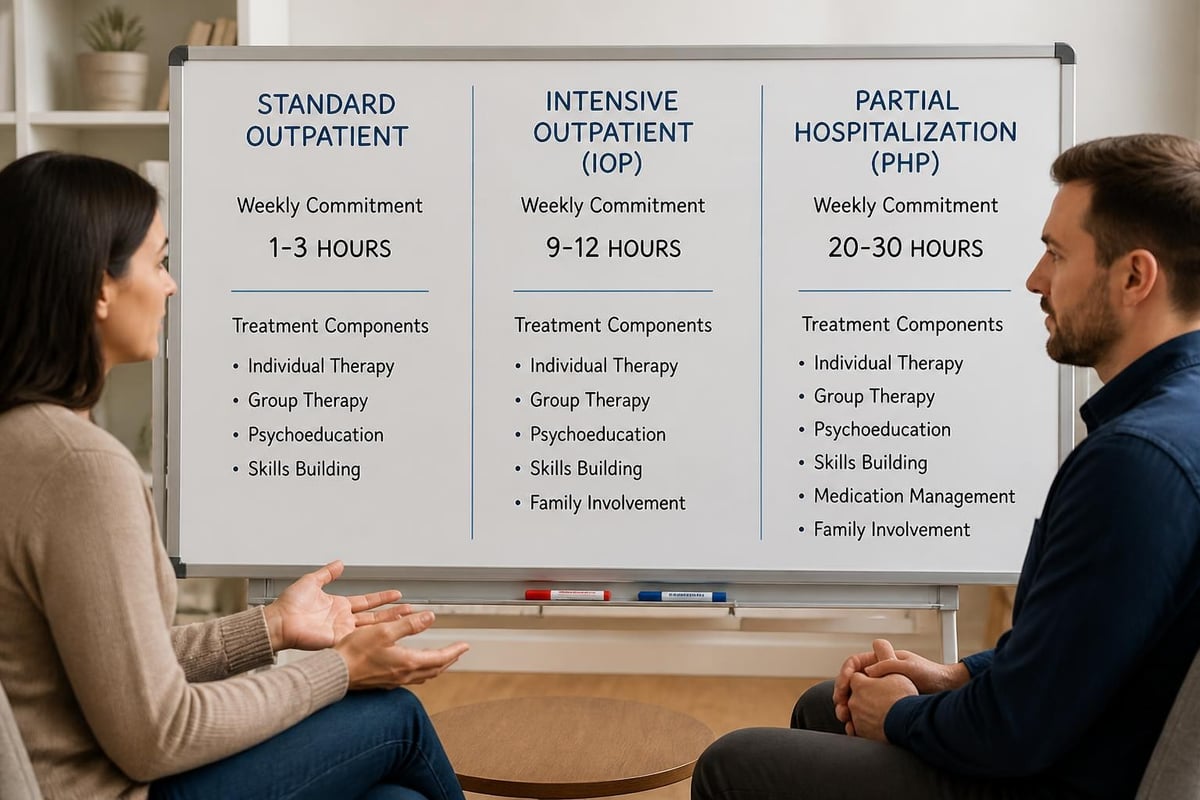
Partial Hospitalization Programs (PHP) provide structured treatment for 5-6 hours daily while patients return home evenings. Intensive Outpatient Programs (IOP) typically meet 3-4 hours per day, several days weekly. Standard outpatient counseling involves individual or group sessions once or twice weekly.

The flexibility of outpatient care makes it accessible for those with strong home support systems and less severe addiction patterns.

Evidence-Based Therapeutic Interventions

Modern treatment incorporates scientifically validated approaches that address the psychological, behavioral, and social aspects of addiction.

Cognitive Behavioral Therapy

Cognitive Behavioral Therapy (CBT) helps individuals identify and modify thought patterns that lead to substance use. This approach teaches practical skills for:

  • Recognizing triggers and high-risk situations
  • Developing coping strategies for cravings
  • Challenging distorted thinking patterns
  • Building problem-solving abilities
  • Managing stress without substances

CBT's structured, goal-oriented nature makes it particularly effective for both individual and group settings. Research consistently demonstrates its effectiveness in reducing relapse rates.

Medication-Assisted Treatment

For certain substances, particularly opioids and alcohol, medication-assisted treatment (MAT) significantly improves outcomes. MAT combines behavioral therapy with medications that reduce cravings and withdrawal symptoms.

Common medications include methadone, buprenorphine, and naltrexone for opioid use disorder, and naltrexone, acamprosate, and disulfiram for alcohol use disorder. These medications normalize brain chemistry, block euphoric effects, and relieve physiological cravings.

Treatment approaches integration

The Role of Family in Recovery

Family involvement significantly impacts recovery outcomes. Addiction affects entire family systems, creating dysfunctional patterns, enabling behaviors, and emotional trauma that require healing.

Family Therapy and Interventions

Family therapy addresses communication breakdowns, rebuilds trust, and educates loved ones about addiction as a disease. These sessions provide safe spaces for expressing feelings, setting boundaries, and developing healthy interaction patterns.

Professional interventions help families confront loved ones about their substance use in structured, compassionate ways. Skilled interventionists guide these conversations to maximize the likelihood of treatment acceptance while minimizing defensive reactions.

Supporting Without Enabling

Family members often struggle to distinguish between helpful support and enabling behaviors that perpetuate addiction. National Geographic offers insights on finding appropriate help and establishing healthy boundaries.

Supportive behaviors include:

  • Encouraging treatment participation
  • Attending family therapy sessions
  • Learning about addiction and recovery
  • Celebrating milestones and progress
  • Maintaining appropriate boundaries

Enabling behaviors to avoid:

  • Providing money without accountability
  • Making excuses for substance-related consequences
  • Rescuing from legal or financial troubles
  • Ignoring substance use to avoid conflict

Setting clear, consistent boundaries protects both the person in recovery and family members from harmful patterns while fostering accountability and growth.

Relapse Prevention Strategies

Relapse remains a common part of recovery and addiction cycles, but it shouldn't be viewed as failure. Instead, understanding relapse as a process allows for early intervention and course correction.

Identifying Warning Signs

Relapse typically occurs in three stages: emotional, mental, and physical. Recognizing early warning signs enables intervention before actual substance use resumes.

Emotional relapse indicators:

  • Isolating from support systems
  • Not attending meetings or therapy
  • Poor self-care habits
  • Bottling up emotions

Mental relapse signals:

  • Fantasizing about past substance use
  • Minimizing consequences of addiction
  • Planning opportunities to use
  • Lying or becoming secretive

Building Relapse Prevention Skills

Evidence-based information on relapse prevention emphasizes developing comprehensive coping strategies that address multiple risk factors simultaneously.

Risk Factor Prevention Strategy Implementation
Stress Mindfulness practices Daily meditation, yoga, deep breathing
Negative emotions Emotional regulation Therapy, journaling, support groups
Social pressure Communication skills Assertiveness training, script preparation
Environmental triggers Lifestyle changes New routines, avoiding high-risk locations

Creating a written relapse prevention plan with specific strategies for identified triggers provides a roadmap during challenging moments. This plan should include emergency contacts, coping techniques, and steps to take if warning signs appear.

Peer Support and Community Recovery

Connection with others in recovery provides irreplaceable benefits that professional treatment alone cannot offer. Peer support demonstrates that recovery is possible, reduces isolation, and creates accountability.

Twelve-Step Programs

Alcoholics Anonymous, Narcotics Anonymous, and similar twelve-step programs have helped millions achieve and maintain sobriety since 1935. These free, widely available meetings follow a spiritual framework focused on personal growth, making amends, and helping others.

The twelve-step approach emphasizes powerlessness over addiction, reliance on a higher power (defined individually), moral inventory, and service to others. Sponsorship provides one-on-one mentoring from someone with longer-term sobriety.

Alternative Recovery Pathways

Not everyone resonates with twelve-step philosophy. Alternative approaches include SMART Recovery, which uses cognitive-behavioral techniques; Refuge Recovery, based on Buddhist principles; and LifeRing Secular Recovery, which emphasizes personal empowerment without spiritual elements.

SAMHSA provides resources emphasizing how building resilience and moving from chemical coping to human connection supports long-term recovery across various approaches.

The diversity of recovery pathways ensures individuals can find communities aligned with their values and beliefs, increasing engagement and long-term participation.

Peer support networks

Co-Occurring Mental Health Disorders

The relationship between recovery and addiction becomes more complex when mental health conditions co-exist with substance use disorders. Approximately 50% of individuals with severe mental illness also experience substance use disorders.

Common Co-Occurring Conditions

Depression, anxiety disorders, post-traumatic stress disorder, bipolar disorder, and attention-deficit/hyperactivity disorder frequently occur alongside addiction. These conditions often interact in complicated ways, with each exacerbating the other.

Some individuals initially use substances to self-medicate untreated mental health symptoms. Others develop mental health issues as consequences of prolonged substance use. Regardless of which came first, integrated treatment addressing both conditions simultaneously produces better outcomes than treating either alone.

Integrated Treatment Approaches

Effective treatment for co-occurring disorders requires coordinated care from professionals trained in both mental health and addiction. This integrated approach ensures medications, therapies, and recovery plans address all dimensions of a person's wellbeing.

Specialized programs offer concurrent group therapy, psychiatric medication management, and individual counseling that acknowledges the interplay between conditions. This comprehensive approach prevents the revolving door of treating one condition while the other remains unaddressed.

Building a Sustainable Recovery Lifestyle

Long-term success in recovery and addiction requires fundamental lifestyle changes that support sobriety and overall wellness. These changes extend beyond avoiding substances to creating a life worth maintaining.

Developing Healthy Routines

Structure provides stability and reduces decision fatigue that can lead to poor choices. Establishing consistent daily routines for sleep, meals, exercise, and self-care creates predictability and normalcy.

Morning routines might include meditation, exercise, and healthy breakfast. Evening routines could incorporate journaling, gratitude practice, and relaxation techniques. These anchoring habits provide stability during emotional turbulence.

Finding Purpose and Meaning

Recovery creates space to pursue goals and interests that addiction previously overshadowed. Education, career development, creative pursuits, volunteer work, and hobbies provide purpose beyond sobriety itself.

Many individuals in recovery find deep meaning in helping others struggling with addiction. Becoming a sponsor, working in the treatment field, or volunteering with recovery organizations transforms past struggles into sources of contribution and connection.

Research on addiction science continues exploring how meaningful engagement and social connection influence long-term recovery outcomes.

The Neuroscience of Recovery

Understanding how addiction changes the brain and how recovery restores function helps individuals appreciate the time and patience required for healing. Addiction hijacks the brain's reward system, creating powerful associations between substance use and pleasure or relief.

Brain Changes in Addiction

Chronic substance use reduces the brain's natural production of dopamine and other neurotransmitters while increasing tolerance. This creates a state where normal pleasures no longer feel rewarding, and substances become necessary just to feel normal.

The prefrontal cortex, responsible for decision-making and impulse control, shows reduced function in active addiction. The amygdala, involved in stress and anxiety responses, becomes hyperactive. These changes explain why willpower alone rarely succeeds against addiction.

Neuroplasticity and Healing

The brain's remarkable ability to reorganize and create new neural pathways, called neuroplasticity, provides hope for recovery. With sustained abstinence and healthy behaviors, brain function gradually improves.

  • Weeks 1-4: Acute withdrawal symptoms subside, sleep improves
  • Months 2-3: Mood stabilization, reduced cravings
  • Months 4-6: Improved cognitive function, decision-making
  • Year 1+: Continued healing, new neural pathways strengthen

This timeline varies based on substance type, duration of use, and individual factors, but demonstrates that recovery and addiction involve measurable biological processes requiring time and support.

Social Determinants of Recovery Success

Environmental and social factors significantly influence recovery outcomes. Addressing these practical realities increases the likelihood of sustained sobriety and overall wellbeing.

Housing Stability

Stable, safe housing provides the foundation for recovery. Transitional living homes, sober living environments, and recovery residences offer substance-free housing with peer support and accountability. These settings bridge the gap between treatment and independent living.

Research consistently shows that housing instability correlates with higher relapse rates and poorer health outcomes. Conversely, stable housing enables individuals to focus energy on recovery rather than survival.

Employment and Financial Security

Meaningful work provides structure, purpose, income, and self-esteem. However, employment barriers including criminal records, resume gaps, and limited skills create challenges for many in early recovery.

Vocational rehabilitation programs, recovery-friendly employers, and entrepreneurship support help individuals overcome these obstacles. Financial stability reduces stress and removes economic motivations for returning to previous lifestyles.

Healthcare Access

Ongoing access to medical care, mental health services, and addiction treatment supports long-term recovery. Healthcare disruptions due to insurance changes, cost barriers, or provider shortages create risks for relapse.

Credible sources on addiction and recovery emphasize the importance of integrated healthcare systems that treat the whole person rather than isolating addiction treatment from other medical needs.

Cultural Considerations in Treatment

Cultural background influences how individuals experience addiction, seek help, and engage with treatment. Culturally responsive care acknowledges these differences and adapts approaches accordingly.

Different cultures view addiction through varying lenses – some as moral failing, others as disease, and still others as spiritual disconnection. These perspectives shape treatment preferences, family involvement, and recovery pathways.

Language barriers, cultural stigma, historical trauma, and distrust of systems create additional challenges for some populations. Treatment programs incorporating cultural traditions, offering services in multiple languages, and employing diverse staff improve engagement and outcomes for underserved communities.

Technology and Digital Recovery Support

Modern technology expands access to recovery and addiction support through telehealth, mobile apps, and online communities. These digital tools complement traditional treatment rather than replacing human connection.

Telehealth Services

Virtual therapy sessions, online support groups, and remote medication management increase access for rural residents, individuals with transportation barriers, or those balancing complex schedules. Video conferencing enables continuity of care during travel or relocation.

The COVID-19 pandemic accelerated telehealth adoption, demonstrating its effectiveness for many individuals while highlighting that some still prefer in-person connection.

Recovery Support Apps

Mobile applications offer tools for tracking sobriety milestones, connecting with sponsors, finding nearby meetings, and accessing crisis support. Some apps provide cognitive behavioral therapy exercises, meditation guidance, or craving management techniques.

While technology cannot replace comprehensive treatment, these tools provide supplemental support accessible anytime, anywhere. Digital resources work best when integrated with professional treatment and peer support rather than used in isolation.


Recovery and addiction represent a lifelong journey requiring commitment, support, and comprehensive care across multiple life dimensions. Understanding that sustainable recovery extends beyond abstinence to encompass physical health, mental wellness, social connection, and purposeful living helps individuals build fulfilling lives. If you or someone you love is struggling with addiction, Addiction Helper offers specialized rehab programs, mental health services, family interventions, and counseling tailored to your unique needs across South Africa. Reach out today to begin your journey toward lasting recovery and transformation.


SHARE THIS:

Filed Under: Uncategorized

How to Find the Best Treatment Center for Recovery

30 July 2026

Choosing where to seek help for addiction is one of the most important decisions you or a loved one will ever make. The path to recovery requires more than just willpower; it demands professional support, evidence-based treatment, and a comprehensive approach that addresses both the physical and psychological aspects of addiction. Finding the best treatment center can feel overwhelming, especially when you're already dealing with the challenges of substance abuse or process addiction. Understanding what separates exceptional facilities from mediocre ones empowers you to make an informed choice that maximizes your chances of long-term recovery and lasting wellness.

Understanding What Defines Quality in Addiction Treatment

The best treatment center combines multiple elements that work together to create an environment conducive to healing and transformation. Quality doesn't come from a single factor but rather from a constellation of services, credentials, and approaches that address addiction as the complex condition it truly is.

Accreditation and Licensing Standards

Accreditation serves as the foundation of quality care. When evaluating facilities, look for certifications from recognized bodies that establish rigorous standards for treatment programs. These credentials demonstrate that a facility has undergone thorough evaluation and meets established benchmarks for care delivery.

Key accreditations to verify:

  • National or regional healthcare accreditation
  • Substance abuse treatment certifications
  • Mental health service licenses
  • Staff credentialing requirements
  • Compliance with regulatory standards

According to Harvard Health’s guidance on finding quality treatment centers, accreditation provides assurance that facilities maintain appropriate safety protocols, qualified staff, and evidence-based treatment methods. This verification process protects patients from substandard care and ensures accountability.

Accreditation framework

Evidence-Based Treatment Methodologies

The most effective facilities ground their approaches in scientific research rather than unproven methods. Evidence-based treatments have demonstrated effectiveness through rigorous clinical studies and should form the core of any comprehensive program.

Treatment modalities that research supports include cognitive behavioral therapy, motivational interviewing, medication-assisted treatment, and dialectical behavior therapy. These approaches address the psychological patterns that sustain addictive behaviors while managing physical dependence.

Treatment Approach Primary Focus Evidence Level
Cognitive Behavioral Therapy Thought patterns and behaviors Strong research support
Medication-Assisted Treatment Physical dependence management Extensive clinical validation
Motivational Interviewing Internal motivation building Well-documented effectiveness
Dialectical Behavior Therapy Emotional regulation skills Proven for co-occurring disorders

The best treatment center integrates multiple evidence-based approaches rather than relying on a single methodology. This flexibility allows clinicians to customize treatment plans based on individual needs, addiction types, and co-occurring conditions.

Comprehensive Assessment and Individualized Care Planning

Cookie-cutter approaches fail in addiction treatment because every person's journey into addiction follows a unique path. Superior facilities recognize this reality by conducting thorough assessments before developing treatment plans.

Initial Evaluation Processes

Comprehensive assessment examines medical history, substance use patterns, mental health status, family dynamics, trauma history, and social circumstances. This multidimensional evaluation provides the information clinicians need to design effective interventions.

The assessment phase typically includes:

  1. Complete medical examination and laboratory testing
  2. Psychological evaluation and mental health screening
  3. Substance use history and addiction severity assessment
  4. Social support network evaluation
  5. Risk assessment for complications during withdrawal
  6. Identification of co-occurring mental health conditions

These evaluations inform every aspect of treatment planning and help facilities anticipate challenges that may arise during recovery. Research on quality addiction treatment centers emphasizes that thorough assessment correlates strongly with positive outcomes.

Personalized Treatment Plans

After assessment, the best treatment center develops a customized plan that addresses your specific needs rather than forcing you into a predetermined program structure. Individualization extends to therapy types, medication protocols, duration of care, and aftercare planning.

Treatment plans should be documented, reviewed regularly, and adjusted based on progress. This dynamic approach acknowledges that recovery is not linear and that effective treatment adapts to changing needs throughout the healing process.

Treatment customization

Staff Qualifications and Treatment Team Composition

The expertise and dedication of treatment staff significantly influence outcomes. When evaluating facilities, investigate who will actually be providing your care and what credentials they hold.

Essential Professional Credentials

Quality programs employ licensed professionals across multiple disciplines. Medical doctors, psychiatrists, psychologists, licensed clinical social workers, addiction counselors, and registered nurses should all be part of the treatment team.

Minimum staff qualifications to expect:

  • Medical oversight by licensed physicians
  • Licensed therapists with addiction specialization
  • Certified addiction counselors with appropriate credentials
  • Nursing staff experienced in detoxification and withdrawal management
  • Case managers trained in recovery support coordination

Beyond credentials, staff experience matters tremendously. Providers who have worked extensively in addiction treatment understand the nuances of recovery and can anticipate challenges before they derail progress.

Multidisciplinary Team Approach

The best treatment center assembles professionals from various disciplines who collaborate on your care. This team-based model ensures that medical, psychological, social, and spiritual aspects of recovery all receive appropriate attention.

Regular team meetings allow providers to share observations, coordinate interventions, and adjust treatment plans based on collective expertise. This integrated approach prevents the fragmentation that occurs when different aspects of treatment operate in isolation.

Treatment Environment and Program Structure

The setting where treatment occurs and how programs are structured significantly impact the recovery experience and outcomes. Both physical environment and daily routine contribute to healing or hinder it.

Levels of Care and Treatment Intensity

Quality facilities offer multiple levels of care to match treatment intensity with individual needs. The continuum typically includes medical detoxification, residential treatment, partial hospitalization, intensive outpatient programs, and standard outpatient care.

Treatment Level Time Commitment Supervision Intensity Best Suited For
Medical Detox 24/7 residential Constant medical monitoring Severe physical dependence
Residential Treatment 24/7 residential Daily clinical contact Intensive therapeutic needs
Partial Hospitalization 6+ hours daily Structured programming Transition from residential
Intensive Outpatient 9-12 hours weekly Regular clinical oversight Moderate support needs
Standard Outpatient 1-3 hours weekly Periodic check-ins Maintenance and prevention

The best treatment center evaluates which level you need initially and facilitates transitions between levels as your condition changes. This stepped approach provides the right intensity at the right time.

Therapeutic Environment Quality

Physical surroundings influence recovery more than many people realize. Facilities should be clean, safe, comfortable, and conducive to reflection and healing. While luxury amenities aren't necessary, basic dignity and comfort are essential.

Consider whether the environment supports recovery through appropriate privacy, common spaces for group work, areas for individual reflection, and freedom from triggers that might complicate treatment. The setting should feel therapeutic rather than institutional or punitive.

Dual Diagnosis and Mental Health Integration

Most people struggling with addiction also experience co-occurring mental health conditions. Depression, anxiety, trauma-related disorders, and personality disorders frequently accompany substance abuse. The best treatment center recognizes these connections and addresses both simultaneously.

Integrated Treatment Models

Treating addiction without addressing underlying mental health conditions sets patients up for relapse. Integrated treatment models tackle both issues concurrently rather than sequentially, recognizing that they influence each other profoundly.

Addiction Helper provides comprehensive mental health services alongside addiction treatment, understanding that sustainable recovery requires addressing the whole person. This integrated approach aligns with current best practices in addiction medicine and significantly improves long-term outcomes.

According to guidance on selecting treatment facilities, facilities that separate addiction treatment from mental health care create artificial boundaries that don't reflect the reality of how these conditions interact.

Trauma-Informed Care Approaches

Many individuals with addiction histories have experienced significant trauma. Trauma-informed care recognizes how past traumatic experiences shape current behaviors and ensures that treatment environments and interventions don't re-traumatize patients.

This approach emphasizes:

  • Safety and trustworthiness in all interactions
  • Peer support and mutual respect
  • Collaboration and patient empowerment
  • Recognition of cultural and gender considerations
  • Understanding trauma's role in addiction development

Facilities that implement trauma-informed principles create environments where healing can occur without triggering the defensive responses that trauma often creates.

Integrated care model

Family Involvement and Support Systems

Addiction affects entire family systems, not just individuals. The best treatment center involves families in appropriate ways while respecting patient privacy and autonomy.

Family Education and Therapy Programs

Quality programs offer family education sessions that help loved ones understand addiction as a medical condition, learn healthy communication patterns, and develop appropriate boundaries. Family therapy sessions address relationship dynamics that may have contributed to or resulted from addiction.

These programs benefit both patients and families by:

  1. Reducing family enabling behaviors
  2. Improving communication skills
  3. Healing relationships damaged by addiction
  4. Building sustainable support networks
  5. Preparing families for the realities of ongoing recovery

Family involvement doesn't mean intrusion into treatment. The best facilities balance patient confidentiality with appropriate family participation based on individual circumstances and patient consent.

Building External Support Networks

Treatment shouldn't isolate patients from healthy community connections. Programs should facilitate connections with recovery support groups, faith communities when appropriate, and other positive social networks that will sustain recovery after formal treatment ends.

Aftercare Planning and Continuing Support

Treatment doesn't end when you leave a facility. The transition back to daily life presents significant challenges, and the best treatment center prepares patients thoroughly for this critical phase.

Comprehensive Discharge Planning

Effective aftercare planning begins early in treatment, not in the final days before discharge. Plans should address housing stability, employment or education, ongoing therapy, medication management, support group participation, and emergency response protocols.

Essential aftercare components:

  • Scheduled follow-up appointments with therapists or counselors
  • Connections to community support resources
  • Relapse prevention strategies and emergency contacts
  • Medication continuation plans when applicable
  • Ongoing case management for complex situations

According to research on what defines quality rehab centers, facilities with strong aftercare programs demonstrate significantly better long-term outcomes than those that treat discharge as the end of their responsibility.

Alumni Programs and Long-Term Support

Many top facilities maintain alumni programs that provide ongoing connection to the recovery community. These programs offer continued support, social opportunities with peers in recovery, and resources during challenging times.

Long-term support might include alumni meetings, online support forums, periodic check-ins from alumni coordinators, and access to resources during crises. This sustained connection reinforces that recovery is a lifelong journey requiring ongoing support.

Treatment Duration and Program Flexibility

The question of how long treatment should last doesn't have a single answer. The best treatment center recognizes that duration should be determined by individual needs and progress rather than arbitrary time limits.

Evidence on Treatment Length

Research consistently shows that longer treatment duration correlates with better outcomes. While insurance limitations and financial constraints often dictate length of stay, quality facilities advocate for adequate treatment time and offer options for extended care when needed.

Minimum recommended durations typically include:

  • Detoxification: 3-7 days depending on substance
  • Residential treatment: 30-90 days with 90 days showing better outcomes
  • Intensive outpatient: 8-12 weeks minimum
  • Continuing outpatient: 6-12 months or longer

These are minimums, not maximums. Some individuals require extended residential care or long-term outpatient support. The best treatment center adjusts duration based on individual progress rather than predetermined schedules.

Flexible Program Modifications

Rigid programs that refuse to adapt when patients struggle or need different interventions demonstrate concerning inflexibility. Quality facilities regularly assess progress and modify treatment plans when current approaches aren't producing desired results.

This flexibility extends to scheduling accommodations for work or family obligations when clinically appropriate, adjusting therapy types based on response, and transitioning between care levels as needs change.

Financial Transparency and Insurance Coordination

Treatment costs can be substantial, and the best treatment center provides clear, honest information about expenses and works diligently to maximize insurance benefits.

Clear Cost Communication

Reputable facilities provide detailed cost breakdowns before admission, explaining what services are included, what costs extra, and what payment options exist. Hidden fees and surprise bills indicate problematic business practices.

Understanding your financial obligation includes knowing:

  1. Daily or weekly treatment costs
  2. Services included in base rates
  3. Additional costs for medications or specialized treatments
  4. Insurance coverage verification and estimated out-of-pocket expenses
  5. Payment plans or financial assistance options

Insurance Navigation Support

The best treatment center employs staff who specialize in insurance verification and authorization. These professionals handle the complex process of obtaining coverage approval, documenting medical necessity, and advocating for appropriate care levels.

Resources on choosing addiction treatment facilities emphasize that quality programs maintain transparent financial practices and work as advocates for patients in dealing with insurance companies rather than simply accepting denials without appeal.

Measuring Success and Outcome Tracking

How does a facility know whether its treatments work? The best treatment center tracks outcomes systematically and uses data to improve services continuously.

Outcome Measurement Systems

Quality programs collect data on completion rates, abstinence rates at various intervals post-treatment, employment outcomes, relationship improvements, and overall quality of life measures. This information reveals program effectiveness and identifies areas needing enhancement.

Facilities should be willing to share outcome data with prospective patients. While no program succeeds with everyone, transparency about success rates indicates confidence in their approach and commitment to accountability.

Continuous Quality Improvement

The best treatment center doesn't remain static. Staff engage in ongoing training, programs incorporate new evidence-based practices as they emerge, and patient feedback informs service modifications.

Look for facilities that participate in research, contribute to the addiction treatment knowledge base, and demonstrate commitment to advancing the field rather than simply maintaining current operations.

Innovation and Emerging Treatment Approaches

While evidence-based traditional treatments form the foundation, forward-thinking facilities also explore promising new approaches that show potential for enhancing outcomes.

Technology-Enhanced Interventions

Research on ecological momentary interventions demonstrates that technology-based tools can reduce addictive behaviors by providing real-time support during high-risk moments. Progressive facilities integrate these innovations alongside traditional therapies.

Technology applications might include mobile apps for craving management, telehealth options for remote therapy sessions, virtual reality exposure therapy, and biofeedback tools for stress management.

Holistic and Complementary Approaches

While not replacing evidence-based treatments, complementary approaches like mindfulness meditation, yoga, nutritional counseling, exercise programs, and art therapy can enhance overall wellness and provide additional coping tools.

The best treatment center offers these as supplements to core treatment rather than substitutes for proven interventions. Integration of mind-body approaches reflects understanding that recovery involves the whole person.

Making Your Final Decision

After researching options and visiting potential facilities, synthesizing information into a decision can still feel challenging. Trust your instincts while grounding your choice in objective criteria.

Questions to Ask During Facility Tours

Visit facilities in person whenever possible and ask direct questions about the topics covered in this article. Pay attention not just to answers but to how staff respond to questions.

Critical questions include:

  • What are your accreditations and how recently were they renewed?
  • What evidence-based treatments do you offer and how are they implemented?
  • How do you handle co-occurring mental health conditions?
  • What are your staff qualifications and staff-to-patient ratios?
  • How long do most patients stay and what determines treatment duration?
  • What does your aftercare planning process involve?
  • Can you provide outcome data for patients who complete your program?
  • How do you involve families in treatment when appropriate?

Trusting Your Assessment

You know yourself or your loved one better than anyone. While professional recommendations matter, your assessment of whether a facility feels right carries weight. The best treatment center should feel supportive rather than punitive, collaborative rather than authoritarian, and hopeful rather than judgmental.


Selecting the right facility requires careful evaluation of credentials, treatment approaches, staff expertise, and comprehensive services that address addiction's multiple dimensions. By prioritizing accreditation, evidence-based practices, individualized care, and robust aftercare, you position yourself or a loved one for the best possible recovery outcomes. Addiction Helper offers the comprehensive addiction recovery services discussed throughout this article, including specialized rehab programs, mental health support, and family interventions tailored to individual needs across South Africa. Reach out today to begin your journey toward lasting recovery with professional guidance every step of the way.

SHARE THIS:

Filed Under: Uncategorized

Rehab Alcohol Free: Your Path to Lasting Recovery

29 July 2026

The decision to pursue sobriety represents one of the most courageous choices anyone can make. For individuals seeking to break free from alcohol dependency, finding the right treatment approach is essential. Rehab alcohol free programs offer comprehensive pathways to recovery that combine evidence-based therapies, medical supervision, and personalized support systems. These programs recognize that achieving and maintaining an alcohol-free lifestyle requires more than willpower; it demands professional guidance, structured intervention, and sustainable coping strategies tailored to individual circumstances.

Understanding Modern Rehab Alcohol Free Programs

Rehab alcohol free treatment has evolved significantly over the past decade. Today's programs integrate cutting-edge research with holistic healing approaches that address both the physical and psychological aspects of alcohol dependency.

These comprehensive programs typically begin with a thorough assessment of each individual's unique situation. Medical professionals evaluate the severity of dependency, co-occurring mental health conditions, physical health status, and personal recovery goals. This initial evaluation forms the foundation for a customized treatment plan designed to support long-term sobriety.

Key components of effective rehab alcohol free programs include:

  • Medical detoxification with 24/7 supervision
  • Individual and group therapy sessions
  • Cognitive-behavioral interventions
  • Medication-assisted treatment when appropriate
  • Relapse prevention training
  • Family involvement and education
  • Aftercare planning and support

The medical detoxification phase addresses the physical withdrawal symptoms that occur when someone stops drinking. This supervised process ensures safety and comfort during what can be a challenging transition period.

Comprehensive alcohol rehab assessment process

Evidence-Based Therapies in Alcohol-Free Recovery

Modern rehab alcohol free facilities utilize scientifically validated therapeutic approaches that have demonstrated measurable success rates. These evidence-based treatments provide individuals with concrete tools and strategies for maintaining sobriety.

Cognitive Behavioral Therapy

Cognitive Behavioral Therapy serves as a cornerstone of many rehab alcohol free programs. This approach helps individuals identify thought patterns and behaviors that contribute to drinking, then develop healthier alternatives. CBT teaches practical skills for managing triggers, handling stress, and making positive choices.

Research consistently shows that CBT produces lasting results. Participants learn to recognize high-risk situations, challenge negative thinking, and implement coping mechanisms that prevent relapse. These skills remain valuable long after formal treatment concludes.

Motivational Enhancement Therapy

This client-centered approach strengthens personal motivation for change. Rather than confrontation, therapists work collaboratively to explore ambivalence about sobriety and build intrinsic commitment to recovery goals.

Therapy Type Primary Focus Duration Key Benefit
Cognitive Behavioral Therapy Thought patterns and behaviors 12-20 sessions Practical coping skills
Motivational Enhancement Internal motivation 2-4 sessions Increased commitment
Dialectical Behavior Therapy Emotional regulation 6+ months Stress management
Family Systems Therapy Relationship dynamics Ongoing Support system strengthening

Medication-Assisted Treatment

For many individuals, medication plays an important role in rehab alcohol free recovery. FDA-approved medications can reduce cravings, minimize withdrawal symptoms, and support abstinence. These pharmaceutical interventions work best when combined with therapy and counseling.

The National Institute on Alcohol Abuse and Alcoholism provides comprehensive information about medication options and their effectiveness in supporting recovery.

Alternative Recovery Pathways Beyond Traditional Models

While many people are familiar with traditional recovery frameworks, rehab alcohol free programs increasingly incorporate alternative approaches that resonate with diverse populations. These secular, evidence-based options provide flexibility in recovery philosophy.

SMART Recovery Methodology

SMART Recovery offers a self-empowerment approach based on cognitive-behavioral principles and motivational strategies. This science-based program teaches four key skills: building motivation, coping with urges, managing thoughts and behaviors, and living a balanced life.

Participants appreciate the focus on self-reliance and practical tools rather than surrendering to powerlessness. The program's structure allows individuals to take ownership of their recovery journey while benefiting from peer support.

Buddhist-Informed Recovery Practices

Refuge Recovery integrates mindfulness meditation and Buddhist principles into addiction treatment. This approach emphasizes awareness, compassion, and personal responsibility without requiring religious belief.

Mindfulness practices help individuals observe cravings without acting on them, recognize emotional triggers, and develop equanimity. These skills prove particularly valuable during challenging moments in the recovery process.

Alternative recovery program approaches

Gender-Specific Considerations in Rehab Alcohol Free Treatment

Research demonstrates that men and women often experience alcohol dependency differently and respond optimally to tailored interventions. Progressive rehab alcohol free facilities recognize these distinctions and offer specialized programming.

Women may face unique challenges including:

  1. Higher rates of co-occurring mental health disorders
  2. Trauma history requiring specialized treatment
  3. Childcare responsibilities affecting treatment access
  4. Social stigma and shame specific to women's drinking
  5. Different physiological responses to alcohol

Women for Sobriety provides gender-specific support that addresses these concerns through positive affirmation and mutual encouragement. Their New Life Program focuses on emotional and spiritual growth tailored to women's experiences.

Men's programming often emphasizes different aspects such as building emotional literacy, addressing anger management, and developing healthy masculinity concepts that support rather than undermine sobriety goals.

The Role of Family in Alcohol-Free Rehabilitation

Alcohol dependency affects entire family systems, not just the individual struggling with drinking. Comprehensive rehab alcohol free programs involve family members in the healing process through education, therapy, and support services.

Family involvement provides multiple benefits:

  • Improved understanding of addiction as a medical condition
  • Development of healthy boundaries and communication patterns
  • Reduced enabling behaviors that inadvertently support drinking
  • Strengthened support systems for long-term recovery
  • Healing of relationships damaged by alcohol misuse

Family therapy sessions address the dynamics that may have developed around drinking behaviors. These interventions help all members understand their roles and develop healthier interaction patterns that support sobriety.

Structured Treatment Environments for Lasting Recovery

The intensity and structure of rehab alcohol free programs vary based on individual needs and circumstances. Understanding the different levels of care helps individuals and families make informed decisions about treatment options.

Residential Rehabilitation Programs

Inpatient facilities provide the most intensive level of care, with participants living on-site for 30 to 90 days or longer. These programs offer complete immersion in a recovery-focused environment free from external triggers and temptations.

Residential treatment proves particularly beneficial for individuals with severe dependency, those who have struggled with previous outpatient attempts, or people whose home environments pose significant relapse risks.

Partial Hospitalization and Intensive Outpatient Programs

These structured options allow individuals to maintain certain life responsibilities while receiving substantial treatment. Partial hospitalization typically involves 5-6 hours of programming daily, while intensive outpatient programs meet 3-4 times weekly for several hours per session.

Program Type Time Commitment Living Situation Best For
Residential 24/7 for 30-90 days On-site facility Severe dependency, unsafe home environment
Partial Hospitalization 5-6 hours daily Home or sober living High support needs, some stability
Intensive Outpatient 9-12 hours weekly Home Moderate dependency, strong support system
Standard Outpatient 1-2 hours weekly Home Maintenance, ongoing support

Sober Living Environments

These transitional housing options bridge the gap between intensive treatment and independent living. Residents maintain sobriety while developing life skills, seeking employment, and strengthening their recovery foundation in a supportive community setting.

Levels of care in alcohol rehabilitation

Addressing Co-Occurring Mental Health Disorders

Many individuals seeking rehab alcohol free treatment also struggle with mental health conditions such as depression, anxiety, PTSD, or bipolar disorder. These co-occurring disorders require integrated treatment that addresses both issues simultaneously.

Dual diagnosis treatment recognizes the complex relationship between mental health and substance use. Depression may have contributed to drinking behaviors, or chronic alcohol use may have triggered mental health symptoms. Effective treatment must untangle these connections and address root causes.

Integrated care typically includes psychiatric evaluation, medication management when appropriate, and specialized therapies designed for dual diagnosis populations. This comprehensive approach produces better outcomes than treating each condition separately.

For those in South Africa seeking integrated care, Addiction Helper offers specialized rehab programs that address both substance dependency and mental health concerns through comprehensive assessment and treatment planning.

Building Relapse Prevention Strategies

Achieving initial sobriety represents an important milestone, but maintaining an alcohol-free lifestyle requires ongoing effort and strategic planning. Effective rehab alcohol free programs dedicate substantial time to relapse prevention education.

Identifying Personal Triggers

Triggers-situations, emotions, people, or places that create drinking urges-vary significantly among individuals. Comprehensive trigger identification helps people develop specific strategies for high-risk situations they'll encounter after treatment.

Common trigger categories include:

  • Emotional triggers: Stress, loneliness, anger, celebration
  • Environmental triggers: Bars, restaurants, social gatherings
  • Social triggers: Certain relationships, peer pressure
  • Physical triggers: Fatigue, pain, illness
  • Mental triggers: Boredom, negative self-talk

Developing Coping Mechanisms

Once triggers are identified, individuals learn and practice alternative responses. These might include calling a sponsor, attending support meetings, engaging in physical exercise, practicing mindfulness meditation, or utilizing distraction techniques.

The Substance Abuse and Mental Health Services Administration provides resources and referrals for individuals developing their recovery support networks.

Creating Structured Routines

Structure reduces decision fatigue and provides stability during early recovery. Rehab alcohol free programs help individuals design daily routines that incorporate healthy activities, social connections, self-care practices, and purposeful engagement.

Harm Reduction Approaches in Modern Treatment

While abstinence remains the primary goal for most rehab alcohol free programs, some individuals benefit from harm reduction strategies as part of their recovery journey. Moderation Management offers support for those exploring controlled drinking approaches.

Harm reduction acknowledges that change occurs along a continuum. For some individuals, reducing consumption represents a significant achievement and stepping stone toward eventual abstinence. Progressive treatment facilities may incorporate these approaches while maintaining abstinence as the ultimate objective.

Research published by the National Center for Biotechnology Information examines the effectiveness of various recovery approaches, demonstrating that multiple pathways can lead to successful outcomes.

Aftercare and Long-Term Recovery Support

Formal treatment represents the beginning of recovery, not its conclusion. Comprehensive rehab alcohol free programs emphasize aftercare planning that supports sustained sobriety beyond the structured treatment environment.

Continuing Care Components

  1. Regular therapy sessions: Individual or group counseling maintains therapeutic progress
  2. Support group participation: Peer connections provide ongoing encouragement
  3. Alumni programs: Connections with others from the same treatment facility
  4. Recovery coaching: Professional guidance during challenging transitions
  5. Medication management: Ongoing psychiatric care when needed

Measuring Recovery Success

Success metrics extend beyond simply abstaining from alcohol. Comprehensive recovery includes improved physical health, restored relationships, employment stability, mental wellness, and overall life satisfaction. Treatment programs help individuals set meaningful goals across all these dimensions.

Regular check-ins and outcome monitoring help identify potential warning signs before full relapse occurs. Many programs offer alumni support and easy re-entry options if individuals experience setbacks.

Cultural Competency in Rehab Alcohol Free Services

Effective treatment acknowledges that cultural background, religious beliefs, language preferences, and community context significantly influence recovery experiences. Culturally competent rehab alcohol free programs adapt their approaches to honor diversity while maintaining therapeutic effectiveness.

This might include providing materials in multiple languages, incorporating traditional healing practices alongside evidence-based therapies, addressing cultural stigma surrounding mental health and addiction, or connecting individuals with community-specific support resources.

LifeRing Secular Recovery offers peer support that emphasizes personal responsibility without requiring adherence to specific cultural or religious frameworks, making it accessible to diverse populations.

Selecting the Right Rehab Alcohol Free Program

Choosing an appropriate treatment program requires careful consideration of multiple factors. Not all facilities offer the same quality of care, therapeutic approaches, or specialized services.

Important evaluation criteria include:

  • Accreditation and licensing status
  • Staff credentials and experience
  • Treatment philosophy and methods
  • Success rates and outcome data
  • Insurance acceptance and payment options
  • Specialized programming for specific populations
  • Aftercare and continuing support services
  • Location and facility amenities

Prospective participants should ask detailed questions about daily schedules, therapeutic modalities, family involvement opportunities, and discharge planning. Reputable programs provide transparent information and welcome inquiries.

Overcoming Barriers to Treatment Access

Despite the availability of effective rehab alcohol free programs, many individuals face obstacles that prevent them from seeking help. Understanding and addressing these barriers increases treatment accessibility.

Financial concerns represent the most common barrier. Many people assume treatment is unaffordable without realizing that insurance coverage, sliding-scale fees, scholarship programs, and public treatment options may be available.

Stigma and shame also prevent people from seeking help. Fear of judgment from family, employers, or community members keeps countless individuals trapped in destructive patterns. Education about addiction as a medical condition rather than moral failing helps reduce this stigma.

Logistical challenges such as childcare responsibilities, employment obligations, or lack of transportation require creative problem-solving. Programs offering flexible scheduling, virtual components, or family accommodation address some of these practical barriers.


Achieving lasting recovery from alcohol dependency requires professional support, evidence-based treatment, and personalized care that addresses individual circumstances. Whether someone benefits from residential immersion, outpatient flexibility, medication assistance, or alternative recovery philosophies, the path to an alcohol-free life is within reach. Addiction Helper provides comprehensive assessment, specialized treatment programs, and ongoing support services designed to guide individuals through every stage of their recovery journey-contact them today to explore treatment options tailored to your unique needs.

SHARE THIS:

Filed Under: Uncategorized

Center for Recovery: Your Path to Lasting Sobriety

28 July 2026

Choosing the right center for recovery represents one of the most critical decisions you'll make in your journey toward sobriety. Whether you're seeking help for yourself or a loved one, understanding what differentiates effective recovery centers from inadequate ones can determine the success of your treatment. A quality center for recovery combines evidence-based medical interventions, psychological support, peer community engagement, and comprehensive aftercare planning to address addiction as the complex condition it truly is.

What Defines a Quality Center for Recovery

A center for recovery serves as more than just a facility where individuals detox and attend counseling sessions. These specialized environments create structured ecosystems designed to interrupt destructive patterns while building new neural pathways and healthy habits.

Core Components of Effective Treatment Centers

The foundation of any reputable center for recovery rests on several essential pillars that work together to support lasting change:

  • Medical supervision and detoxification services that ensure safe withdrawal management
  • Evidence-based therapeutic interventions including cognitive behavioral therapy and motivational interviewing
  • Individualized treatment plans tailored to each person's unique circumstances
  • Dual diagnosis capabilities for addressing co-occurring mental health conditions
  • Family involvement programs that heal relationships and build support systems
  • Aftercare and relapse prevention planning to sustain recovery beyond initial treatment

Research from Harvard Health emphasizes six key factors when selecting a treatment facility, including proper licensing, evidence-based approaches, and comprehensive discharge planning. These elements separate facilities that merely warehouse individuals from those that genuinely transform lives.

Treatment components in recovery

Treatment Modalities in a Modern Recovery Center

A comprehensive center for recovery employs multiple therapeutic approaches simultaneously. This multi-modal strategy addresses addiction from biological, psychological, social, and spiritual dimensions.

Evidence-Based Therapeutic Approaches

The most effective recovery centers integrate proven methodologies that research has validated over decades of clinical practice. Cognitive Behavioral Therapy (CBT) helps individuals recognize and modify thought patterns that trigger substance use. Dialectical Behavior Therapy (DBT) teaches emotional regulation skills particularly valuable for those with trauma histories.

Medication-Assisted Treatment (MAT) combines FDA-approved medications with counseling for opioid, alcohol, and nicotine dependencies. This approach doesn't substitute one addiction for another, despite common misconceptions. Instead, it stabilizes brain chemistry while individuals develop psychological coping mechanisms.

Treatment Type Primary Application Expected Duration Success Enhancement
CBT Thought pattern modification 12-16 weeks 40-50% improvement
DBT Emotional regulation 6-12 months 35-45% reduction in relapse
MAT Opioid/alcohol dependence 12+ months 50-60% better retention
Group Therapy Peer support and accountability Ongoing 30-40% improved outcomes

Individual therapy sessions provide personalized attention to underlying trauma, family dynamics, or mental health conditions. Meanwhile, group therapy creates community connection and breaks through the isolation that addiction thrives upon.

Holistic and Complementary Therapies

Progressive recovery centers incorporate complementary approaches alongside traditional treatments. Mindfulness meditation reduces stress and increases self-awareness. Art and music therapy provide non-verbal processing channels for complex emotions. Exercise programs restore physical health while releasing natural endorphins.

These holistic modalities don't replace evidence-based treatments but enhance them by addressing the whole person rather than just the addiction.

The Role of Community in Recovery Success

One often underestimated aspect of a center for recovery is the community it fosters. Research on recovery community centers demonstrates that peer support significantly improves long-term outcomes.

Peer Support and Shared Experience

Within a recovery center environment, individuals discover they're not alone in their struggles. This realization breaks down shame and defensiveness that often sabotage treatment efforts. Hearing others articulate similar experiences validates personal feelings while modeling that recovery is achievable.

Structured peer support includes:

  • Daily group therapy sessions with fellow residents
  • 12-step or alternative recovery program meetings
  • Recreational activities that build sober social skills
  • Mentorship from individuals further along in recovery
  • Alumni networks that extend beyond initial treatment

The relationships formed in treatment frequently become lifelong sources of accountability and encouragement. Many individuals credit their peer connections as the difference between sustained sobriety and relapse.

Peer support networks

Family Involvement and System Healing

Addiction doesn't occur in isolation. It affects entire family systems, creating dysfunctional patterns that can either support or undermine recovery efforts. An effective center for recovery incorporates family education and therapy as integral components.

Family programs teach loved ones about addiction as a disease, breaking down enabling behaviors while building healthy boundaries. These interventions help families understand their role in the recovery ecosystem without bearing inappropriate responsibility for another's choices.

Specialized Programs for Different Addiction Types

Not all addictions require identical treatment approaches. A sophisticated center for recovery offers specialized tracks for various substance and process addictions.

Substance-Specific Treatment Tracks

Alcohol addiction presents different physiological and psychological challenges than stimulant dependence. Opioid addiction requires distinct medical management compared to benzodiazepine withdrawal. Quality recovery centers tailor interventions to the specific substance involved.

For those seeking comprehensive support across multiple addiction types, facilities like Addiction Helper provide specialized rehab programs throughout South Africa for substance dependencies ranging from alcohol and drugs to behavioral addictions like gambling.

Process Addiction Programs

Beyond chemical dependencies, many centers now address behavioral addictions including gambling, internet use, shopping, and food relationships. These process addictions activate similar brain reward pathways as substances, requiring comparable treatment intensity.

Process addiction treatment emphasizes behavioral modification techniques, trigger identification, and healthy alternative activities that provide natural dopamine release without destructive consequences.

Levels of Care and Treatment Intensity

A comprehensive center for recovery offers multiple levels of care intensity, allowing individuals to step up or down based on their current needs and progress.

Inpatient Residential Treatment

The most intensive option, residential treatment provides 24/7 supervision in a controlled environment free from external triggers. This setting suits individuals with:

  1. Severe physical dependencies requiring medical detox
  2. Co-occurring mental health crises
  3. Unstable or triggering home environments
  4. Previous treatment failures at lower intensity levels
  5. Significant safety concerns or suicidal ideation

Residential stays typically range from 30 to 90 days, though some individuals benefit from extended programs lasting six months or longer. Studies on recovery housing effectiveness show that longer treatment durations generally correlate with better long-term outcomes.

Outpatient and Partial Hospitalization Programs

Outpatient programs allow individuals to live at home while attending treatment sessions several hours daily or weekly. Partial Hospitalization Programs (PHP) provide intensive daytime treatment with evening home stays, serving as a bridge between residential care and full independence.

Care Level Weekly Hours Living Arrangement Best For
Residential 24/7 On-site facility Severe addiction, medical needs
PHP 20-30 hours Home or sober living Transition from inpatient
IOP 9-19 hours Home Stable recovery, work/school balance
Standard Outpatient 1-8 hours Home Maintenance, ongoing support

This stepped approach ensures continuity of care as individuals progress through recovery stages, preventing the dangerous gap that often occurs between intensive treatment and complete independence.

Measuring Success and Outcomes in Recovery Centers

Evaluating a center for recovery's effectiveness requires looking beyond marketing claims to actual outcome data. Reputable facilities track and report success metrics transparently.

Key Performance Indicators

Treatment completion rates indicate how well a center engages and retains clients through the full program. Facilities with completion rates above 70% demonstrate effective programming and supportive environments.

Abstinence rates at 30, 60, 90 days, and one year post-treatment provide insight into sustained behavior change. However, these figures can be misleading if narrowly defined. Many experts now consider "harm reduction" metrics equally valid, recognizing that reduced use frequency and severity represents meaningful progress even without complete abstinence.

The Recovery Center Outcome Study from the University of Kentucky demonstrates how comprehensive assessment reveals the multifaceted impact recovery centers have beyond simple abstinence measurements, including employment, housing stability, and family reunification.

Beyond Abstinence: Quality of Life Improvements

Modern outcome assessment examines holistic wellness improvements:

  • Employment and educational achievement
  • Housing stability and independence
  • Legal issue resolution
  • Physical health markers
  • Mental health symptom reduction
  • Relationship quality improvements
  • Life satisfaction and purpose

These broader metrics recognize that addiction recovery encompasses rebuilding an entire life, not merely stopping substance use.

Recovery outcomes measurement

Choosing the Right Center for Your Needs

Selecting an appropriate center for recovery requires honest assessment of your specific situation, preferences, and requirements. No single facility serves everyone equally well.

Assessment Factors to Consider

Begin by identifying your primary substance or behavior of concern and any co-occurring mental health conditions. Some centers specialize in dual diagnosis treatment, while others focus primarily on addiction without psychiatric expertise.

Geographic considerations matter more than many realize. Traveling far from home removes local triggers and toxic relationships, allowing fresh perspective. However, it may limit family involvement and complicate aftercare transition. Local treatment facilitates family participation and seamless connection to community resources post-discharge.

Financial realities significantly impact options. Insurance coverage, payment plans, and scholarship programs vary widely. Verify exactly what your insurance covers and obtain pre-authorization before admission to avoid surprise bills.

Accreditation and Licensing Verification

Never assume a center for recovery meets quality standards without verification. Check for:

  1. State licensing and regulatory compliance
  2. National accreditation from recognized bodies
  3. Staff credentials and licensure status
  4. Inspection reports and violation history
  5. Better Business Bureau ratings and complaint records

These due diligence steps protect you from predatory programs that exploit vulnerable individuals without providing genuine therapeutic benefit.

The Science Behind Recovery Center Effectiveness

Understanding why structured treatment works better than unsupported attempts at sobriety helps maintain motivation during difficult moments. Research on recovery community center participation identifies specific mechanisms through which these environments facilitate lasting change.

Neuroplasticity and Environmental Change

Addiction rewires brain circuits related to reward, motivation, memory, and executive function. A center for recovery provides the protected environment necessary for these circuits to begin healing. Without exposure to triggers and substances, the brain gradually restores balance to disrupted neurotransmitter systems.

This neurological healing requires time, typically measured in months rather than weeks. The structured schedule, consistent sleep, proper nutrition, and stress reduction provided in treatment centers optimize conditions for neural recovery.

Behavioral Conditioning and New Patterns

Recovery centers interrupt the automatic stimulus-response patterns that perpetuate addiction. By removing access to substances and triggers while teaching new coping mechanisms, these facilities help establish healthier behavioral defaults.

The repetition inherent in daily routines, therapeutic activities, and support group participation creates new neural pathways. Over time, these new patterns become increasingly automatic, requiring less conscious effort to maintain.

Aftercare Planning and Long-Term Support

The most critical yet often neglected aspect of a center for recovery is discharge planning and aftercare. Treatment doesn't end when someone leaves the facility. In fact, the months immediately following discharge present the highest relapse risk.

Comprehensive Discharge Preparation

Effective aftercare planning begins on day one of treatment, not during the final week. This preparation includes:

  • Identifying outpatient therapists and psychiatrists in your home area
  • Connecting with local support group meetings before discharge
  • Arranging sober living housing if home environment isn't supportive
  • Developing specific relapse prevention strategies for identified triggers
  • Creating crisis response plans with emergency contact information
  • Scheduling follow-up appointments within seven days of discharge

Centers with robust alumni programs provide ongoing connection to the treatment community through reunions, continuing care groups, and mentorship opportunities.

Measuring Long-Term Engagement

The quality of a center's aftercare directly impacts long-term recovery sustainability. Programs that maintain contact with alumni through regular check-ins, outcome surveys, and ongoing support demonstrate commitment beyond initial treatment revenue.

Some centers offer free or low-cost alumni services including weekly support groups, annual retreats, and crisis intervention hotlines. These extended supports acknowledge that recovery is a lifelong journey requiring ongoing community connection.


Selecting a center for recovery that aligns with your specific needs, values, and circumstances sets the foundation for successful long-term sobriety. The most effective treatment combines evidence-based medical and psychological interventions with peer support, family healing, and comprehensive aftercare planning. If you or a loved one is struggling with addiction, Addiction Helper offers specialized programs across South Africa addressing substance and behavioral addictions with comprehensive support services including mental health treatment, family interventions, and personalized recovery planning. Take the first step toward lasting change by reaching out today.

SHARE THIS:

Filed Under: Uncategorized

Alcohol Intervention: A Complete Guide for Families

27 July 2026

When someone you care about struggles with alcohol addiction, watching their health deteriorate and relationships suffer can feel unbearable. Many families reach a critical moment where they realize conversations, pleading, and ultimatums haven't worked. This is when a structured alcohol intervention becomes necessary-a carefully planned meeting where loved ones come together to encourage an individual to accept help for their drinking problem. Understanding the intervention process, knowing when to act, and implementing evidence-based strategies can make the difference between continued addiction and life-saving recovery.

Understanding the Purpose of Alcohol Intervention

An alcohol intervention serves as a direct, compassionate confrontation designed to break through the denial and resistance that typically accompanies alcohol use disorder. The primary goal is not to shame or blame the individual but to clearly demonstrate how their drinking affects everyone around them while offering a specific treatment solution.

Professional interventionists recognize that alcohol addiction creates powerful psychological barriers that prevent people from seeing the truth about their situation. Denial, rationalization, and minimization become defense mechanisms that protect the addiction. A well-executed intervention cuts through these defenses by presenting undeniable evidence of harm in a supportive environment.

The intervention process works best when it combines emotional honesty with practical planning. Family members and friends prepare specific examples of how alcohol has caused problems, express their concerns from a place of love, and present a pre-arranged treatment option. According to evidence-based approaches emphasized by healthcare authorities, patient-centered care that respects dignity while addressing the severity of alcohol use disorders produces better outcomes.

Key Objectives of a Successful Intervention

  • Breaking through denial by presenting factual consequences
  • Demonstrating unified concern from multiple loved ones
  • Offering immediate access to professional treatment
  • Establishing clear boundaries and consequences if treatment is refused
  • Creating emotional urgency while maintaining respect

Alcohol intervention process steps

Recognizing When an Alcohol Intervention Is Necessary

Determining the right time for an alcohol intervention requires careful assessment of behavioral patterns, health indicators, and the progression of alcohol-related problems. Not every person who drinks excessively needs a formal intervention, but certain warning signs indicate the situation has reached a critical stage.

Physical health deterioration often provides clear evidence that intervention is overdue. This includes noticeable weight changes, declining personal hygiene, jaundice or other visible health issues, frequent injuries from accidents, and withdrawal symptoms when not drinking. When someone continues drinking despite obvious physical consequences, the addiction has typically progressed beyond what informal conversations can address.

Relationship breakdown serves as another critical indicator. When alcohol consumption consistently damages marriages, strains parent-child relationships, creates conflict with extended family, or results in lost friendships, intervention becomes necessary to prevent further isolation. Many people with alcohol use disorder push away the very support systems they need most.

Warning Sign Category Specific Indicators Intervention Urgency
Health Decline Liver damage, blackouts, withdrawal symptoms High
Legal Problems DUI arrests, public intoxication, legal disputes High
Work/Financial Job loss, mounting debt, professional decline Medium to High
Relationship Damage Divorce threats, estranged children, lost friendships Medium to High
Mental Health Crisis Depression, suicidal thoughts, self-harm Immediate

Professional responsibilities often suffer significantly as alcohol addiction progresses. Missed work days, declining performance, conflicts with supervisors or colleagues, and eventual job loss demonstrate that alcohol has become the person's primary priority. Financial problems compound these issues, with money increasingly diverted toward alcohol purchases while bills go unpaid.

Planning and Preparing for the Intervention

Successful alcohol intervention requires meticulous planning rather than spontaneous confrontation. The preparation phase typically takes several weeks and involves assembling the right team, gathering information, and coordinating logistics with professional treatment providers.

Assembling the Intervention Team

The intervention team should include people who have a genuine relationship with the individual and can speak from personal experience about how alcohol has affected them. This typically includes immediate family members, close friends, sometimes employers or colleagues, and ideally a professional interventionist who can guide the process.

Each team member must be emotionally stable and committed to following through with stated boundaries. Anyone currently struggling with their own substance use issues, those who cannot control their emotions during difficult conversations, or individuals the person actively dislikes should not participate. The team size typically ranges from four to eight people.

Working with a professional interventionist significantly increases success rates. These specialists understand addiction psychology, can anticipate resistance tactics, keep the meeting focused when emotions run high, and ensure the transition to treatment happens immediately if the person agrees. Healthcare professionals trained in intervention strategies bring expertise that families simply cannot replicate on their own.

Researching and Selecting Treatment Options

Before conducting the intervention, families must have treatment arrangements already in place. This means researching appropriate facilities, verifying insurance coverage or arranging payment, and having admission scheduled for immediately following the intervention. The person should be able to enter treatment within hours of agreeing to accept help.

For those in South Africa seeking comprehensive support, Addiction Helper provides specialized rehab programs designed specifically for alcohol addiction, offering the immediate placement that makes interventions successful. Treatment options vary based on addiction severity, mental health considerations, financial resources, and personal circumstances.

  • Inpatient residential treatment: 30-90 day programs with 24/7 medical supervision
  • Partial hospitalization programs: Intensive daily treatment while living at home
  • Outpatient counseling: Weekly therapy sessions combined with support groups
  • Medically supervised detoxification: Safe withdrawal management before ongoing treatment

Treatment preparation checklist

Conducting the Intervention Meeting

The actual intervention meeting follows a structured format designed to maximize impact while minimizing chaos. Timing matters significantly-scheduling the intervention when the person is sober, typically in the morning, produces better results than attempting it when they're intoxicated or experiencing withdrawal.

Location selection influences the meeting's effectiveness. Choose a private, neutral space where the person feels relatively comfortable but cannot easily escape. This might be a family member's home, a professional office, or another quiet setting. Ensure the person arrives without suspecting what's about to happen, though some interventionists prefer brief advance notice to reduce feelings of ambush.

Each team member prepares and reads a written statement following a specific structure: expressing love and concern, describing specific incidents where alcohol caused problems, explaining personal feelings about these situations, and stating what will happen if treatment is refused. These statements must be factual, specific, and delivered without anger or judgment.

Managing Resistance and Emotional Responses

Expect resistance. People confronted about alcohol use disorder typically respond with denial, anger, deflection, promises to quit independently, or attempts to leave. A professional interventionist anticipates these reactions and employs strategies to keep the meeting productive.

Common resistance tactics include minimizing the problem ("I only drink on weekends"), blaming others ("You drive me to drink"), making promises ("I'll quit tomorrow"), or attacking team members ("You're no saint either"). The intervention team must remain focused on the prepared statements and the ultimate goal-getting the person into treatment immediately.

Research on behavioral counseling interventions demonstrates that structured approaches combining confrontation with support produce measurable reductions in unhealthy alcohol use. The intervention creates an environment where continuing to drink becomes more uncomfortable than accepting help.

Post-Intervention Steps and Family Support

Whether the person accepts treatment immediately or refuses help, the intervention marks a significant moment that requires follow-through from everyone involved. If treatment is accepted, logistics must be executed flawlessly-transportation to the facility, packing necessary items, handling work notifications, and managing other responsibilities.

Family members often experience emotional exhaustion following an intervention. The intensity of confronting a loved one, combined with years of stress from living with alcohol addiction, leaves people depleted. Seeking support through family therapy, Al-Anon groups, or individual counseling helps families process their own trauma and learn healthier relationship patterns.

Supporting Recovery and Maintaining Boundaries

Once the person enters treatment, families must resist the urge to rescue them from consequences or negotiate their return home prematurely. Treatment programs work best when individuals complete the full recommended duration without interference. Family visitation policies exist for good reason-premature contact can trigger relapse or create opportunities for manipulation.

Preparing for the person's return home requires practical planning. This includes removing alcohol from the house, establishing clear expectations and consequences, learning about relapse warning signs, and potentially making living arrangements conditional on continued sobriety and program participation.

Post-Treatment Phase Family Actions Purpose
First 30 Days Maintain distance, respect treatment process Allow person to focus fully on recovery
30-90 Days Participate in family therapy, attend support groups Begin healing family system
3-6 Months Gradually rebuild trust, maintain boundaries Support transition to independent sobriety
6+ Months Ongoing support with realistic expectations Long-term recovery lifestyle

Understanding the Role of Professional Intervention Services

While some families attempt interventions without professional help, hiring an experienced interventionist dramatically increases the likelihood of success. These specialists bring training in addiction psychology, crisis de-escalation, and family systems therapy that proves invaluable during emotionally charged situations.

Professional interventionists conduct pre-intervention meetings with family members to assess the situation, educate the team about what to expect, help prepare effective statements, and develop contingency plans for various outcomes. They understand how to navigate complex family dynamics, manage aggressive or manipulative responses, and maintain focus on the treatment goal.

The cost of professional intervention services typically ranges from several hundred to several thousand dollars, depending on the interventionist's experience, geographic location, and whether travel is required. Many families view this investment as worthwhile given the stakes involved-professional guidance often means the difference between a person entering life-saving treatment or continuing toward potentially fatal consequences.

Professional interventionist role

Evidence-Based Approaches to Intervention

Modern alcohol intervention strategies incorporate evidence-based practices that research has validated as effective. Screening, Brief Intervention, and Referral to Treatment (SBIRT) represents a comprehensive public health approach that healthcare settings increasingly adopt, though families can apply similar principles in private interventions.

The SBIRT model emphasizes early identification of alcohol problems, brief motivational interviewing techniques to enhance readiness for change, and immediate connection to appropriate treatment resources. While originally designed for healthcare settings, these principles inform effective family interventions by emphasizing empathy, avoiding confrontation that triggers defensiveness, and focusing on the gap between current behavior and personal values.

Clinical practice guidelines stress the importance of individualized treatment planning based on comprehensive assessment. Not everyone with alcohol use disorder requires the same intervention approach or treatment intensity. Some individuals respond to brief interventions and outpatient support, while others need residential treatment with medical detoxification.

Motivational Enhancement Techniques

Effective interventions incorporate motivational enhancement rather than relying solely on confrontation. This means helping the person recognize discrepancies between their drinking behavior and their stated goals or values. When someone says family is their priority but their drinking prevents them from being present for their children, highlighting this contradiction creates internal motivation for change.

Questions that enhance motivation include:

  • How does your drinking align with the person you want to be?
  • What opportunities have you missed because of alcohol?
  • If you continue drinking at this level, where will you be in five years?
  • What would your life look like without alcohol controlling your decisions?

Research demonstrates that people change behavior when they develop their own reasons for change rather than simply complying with external pressure. Skilled interventionists balance presenting consequences with exploring the person's own values and aspirations.

Addressing Common Intervention Challenges

Families attempting alcohol intervention frequently encounter specific challenges that can derail the process without proper preparation. Understanding these obstacles in advance allows for better contingency planning and more realistic expectations about outcomes.

Financial concerns often create barriers to treatment. Many people use lack of insurance coverage or inability to afford rehab as reasons to refuse help. Addressing this objection requires researching payment options beforehand, including insurance verification, financing programs, scholarship opportunities, and state-funded treatment beds. Having concrete financial solutions ready prevents this excuse from blocking progress.

Co-occurring mental health conditions complicate many alcohol addiction cases. Depression, anxiety disorders, bipolar disorder, and trauma-related conditions frequently exist alongside alcohol use disorder. Integrated treatment that addresses both the addiction and mental health issues simultaneously produces better outcomes than treating either condition in isolation.

Work obligations provide another common excuse for refusing treatment. People claim they cannot take time off without losing their job, facing financial disaster, or disappointing colleagues. The Family and Medical Leave Act (FMLA) and similar protections often provide job security during treatment, though navigating these systems requires advance planning.

When Intervention Doesn't Achieve Immediate Results

Not every intervention results in the person entering treatment immediately. Some individuals need time to process what they've heard, may agree to treatment after an initial refusal, or may require multiple interventions before accepting help. This doesn't mean the intervention failed-it means the person isn't ready yet.

When someone refuses treatment, family members must enforce the boundaries they stated during the intervention. This often means following through with difficult consequences like asking the person to move out, ending financial support, or limiting contact. Enforcing boundaries protects family members from continuing to enable the addiction while potentially creating the crisis necessary to motivate change.

Following a refused intervention, families should maintain contact through a designated person who can recognize when circumstances shift and readiness for treatment increases. Many people reconsider their position after experiencing additional consequences or recognizing their inability to control drinking independently.


Alcohol intervention represents a powerful tool for families who have exhausted other options and need to break through the denial that perpetuates addiction. By understanding the process, preparing thoroughly, involving professionals when possible, and committing to evidence-based approaches, families significantly increase the likelihood that their loved one will accept life-saving treatment. Whether you're considering an intervention for a family member or need guidance navigating this challenging process, Addiction Helper provides comprehensive support including professional family interventions, immediate treatment placement, and ongoing recovery services designed to help individuals overcome alcohol addiction and rebuild their lives.

SHARE THIS:

Filed Under: Uncategorized

Alcohol Outpatient Treatment: A Complete 2026 Guide

26 July 2026

Alcohol use disorder affects millions of individuals worldwide, but recovery doesn't always require residential treatment. Alcohol outpatient programs have emerged as a powerful, flexible alternative for those seeking recovery while maintaining their daily responsibilities. These structured treatment options allow individuals to receive professional support, participate in therapy, and build recovery skills without stepping away from work, family, or education commitments. Understanding the scope, effectiveness, and practical considerations of outpatient care helps individuals make informed decisions about their recovery journey.

Understanding Alcohol Outpatient Treatment Programs

Alcohol outpatient treatment provides structured therapeutic interventions for individuals struggling with alcohol dependence without requiring overnight stays at a facility. This model allows patients to attend scheduled therapy sessions, group meetings, and medical appointments while continuing to live at home and maintain their regular routines.

The flexibility of outpatient programs makes them particularly attractive for individuals with stable home environments, strong support systems, and lower-risk withdrawal profiles. Treatment intensity varies significantly across different outpatient models, ranging from once-weekly therapy sessions to comprehensive daily programming that spans several hours.

Types of Outpatient Programs

The National Institute on Alcohol Abuse and Alcoholism outlines various alcohol treatment options, helping patients understand the spectrum of care available. Several distinct levels of alcohol outpatient care exist:

  • Standard Outpatient Programs (OP): Weekly individual or group therapy sessions, typically 1-2 hours per week
  • Intensive Outpatient Programs (IOP): 9-12 hours of programming per week, usually spread across 3-4 days
  • Partial Hospitalization Programs (PHP): 20-30 hours weekly, providing hospital-level care without overnight stays
  • Continuing Care: Ongoing support following completion of intensive treatment, often monthly or quarterly

Each level addresses different needs and clinical presentations. The appropriate choice depends on addiction severity, co-occurring mental health conditions, previous treatment history, and environmental stability.

Levels of alcohol outpatient care

Who Benefits Most from Alcohol Outpatient Services

Not every individual with alcohol use disorder is a suitable candidate for outpatient treatment. Clinical assessment determines whether this level of care provides adequate support for successful recovery.

Ideal candidates typically demonstrate several key characteristics. They possess motivation for change and willingness to engage actively in treatment. Their home environment supports recovery rather than undermining it, with family members or roommates who respect sobriety goals. Medical stability is essential-individuals requiring medically supervised detoxification should complete that process before transitioning to outpatient care.

Assessment Criteria

Professional evaluations consider multiple dimensions when recommending treatment levels:

Assessment Area Outpatient Suitability Indicators
Withdrawal Risk Minimal to moderate symptoms, no seizure history
Medical Complications No acute conditions requiring 24-hour monitoring
Psychological Stability Manageable co-occurring disorders, low suicide risk
Recovery Environment Supportive home setting, minimal substance access
Treatment History First treatment attempt or successful outpatient history

Individuals with severe dependence, significant medical complications, unstable housing, or environments saturated with alcohol availability may require higher levels of care initially. However, many patients successfully transition to alcohol outpatient programs after completing residential treatment.

Core Components of Effective Outpatient Treatment

Quality alcohol outpatient programs incorporate evidence-based interventions proven to support long-term recovery. These components work synergistically to address the multifaceted nature of alcohol use disorder.

Individual Therapy

One-on-one counseling sessions form the foundation of personalized treatment planning. Therapists employ cognitive-behavioral therapy (CBT), motivational interviewing, and other modalities to help patients identify triggers, develop coping strategies, and process underlying emotional issues contributing to alcohol use.

Sessions typically occur weekly or bi-weekly, providing consistent accountability and professional guidance. Therapists adjust treatment plans based on progress, setbacks, and evolving needs throughout recovery.

Group Therapy and Peer Support

Group sessions offer unique benefits that individual therapy cannot replicate. Participants share experiences, learn from others facing similar challenges, and develop crucial interpersonal skills. The collective wisdom of the group often provides insights and encouragement that accelerate healing.

  • Process groups explore emotions, relationships, and life challenges
  • Psychoeducational groups teach relapse prevention skills and recovery principles
  • Skill-building groups practice communication, stress management, and problem-solving techniques

Research shows that peer connections formed during treatment significantly predict long-term recovery success. Many programs integrate 12-step facilitation or connect patients with mutual support groups like Alcoholics Anonymous.

Components of outpatient therapy

Medical Management and Medication-Assisted Treatment

Physicians specializing in addiction medicine provide ongoing medical oversight for alcohol outpatient patients. Regular check-ins monitor physical health, manage co-occurring conditions, and assess medication needs.

Medication-assisted treatment (MAT) has proven highly effective for alcohol use disorder. Three FDA-approved medications support recovery:

Naltrexone blocks opioid receptors, reducing alcohol cravings and the rewarding effects of drinking. It's available as daily pills or monthly injections.

Acamprosate helps restore normal brain chemistry disrupted by chronic alcohol use, reducing physical discomfort during early recovery.

Disulfiram creates unpleasant physical reactions when combined with alcohol, providing a powerful deterrent against impulsive drinking.

Medical providers determine appropriate medication based on individual health profiles, preference, and treatment goals. Combining medication with therapy produces better outcomes than either approach alone.

Treatment Duration and Scheduling Flexibility

The length and intensity of alcohol outpatient programs vary based on individual needs and program design. Standard outpatient treatment often continues for 3-6 months, though many individuals benefit from longer engagement.

Intensive outpatient programs typically run 8-12 weeks before stepping down to standard outpatient care. This progression allows gradual reduction in support as patients build recovery skills and confidence. Research on alcohol treatment outcomes demonstrates that program completion significantly impacts long-term sobriety rates.

Scheduling Considerations

One significant advantage of outpatient care is schedule flexibility. Programs offer various timing options:

  • Morning sessions before work (7:00-10:00 AM)
  • Evening groups after work hours (6:00-9:00 PM)
  • Weekend intensive tracks for working professionals
  • Telehealth options for remote participation

This adaptability enables individuals to maintain employment, fulfill family responsibilities, and continue education while receiving treatment. Employers often appreciate the minimal disruption compared to residential programs, making it easier for patients to access care without jeopardizing job security.

Family Involvement and Support Systems

Alcohol use disorder affects entire family systems, not just the individual struggling with dependence. Effective alcohol outpatient programs recognize this reality and incorporate family-focused interventions.

Family therapy sessions help repair damaged relationships, improve communication patterns, and educate loved ones about addiction and recovery. These sessions address enabling behaviors, establish healthy boundaries, and teach family members how to support recovery effectively.

Many programs offer family education workshops covering:

  • The neuroscience of addiction
  • Recognizing relapse warning signs
  • Self-care strategies for family members
  • Communication skills for difficult conversations
  • Available community resources

When family members understand addiction as a medical condition rather than a moral failure, they become powerful allies in the recovery process. Their involvement often determines whether the home environment supports or undermines treatment progress.

Measuring Success and Tracking Progress

Quality alcohol outpatient programs employ systematic methods to monitor patient progress and adjust treatment as needed. Regular assessments provide objective data about improvement and identify areas requiring additional focus.

Progress Indicators

Metric Assessment Method Frequency
Abstinence/Reduced Use Self-report, breathalyzer, urine screens Weekly to monthly
Functional Improvement Standardized questionnaires Monthly
Mental Health Symptoms Clinical interviews, screening tools Bi-weekly to monthly
Treatment Engagement Attendance tracking, participation ratings Weekly
Life Satisfaction Quality of life assessments Quarterly

Patients actively participate in goal-setting and progress review. This collaborative approach increases motivation and personal investment in treatment outcomes. Many programs use data dashboards or apps that allow patients to visualize their improvement over time.

Recovery progress tracking

Challenges and Solutions in Outpatient Care

While alcohol outpatient treatment offers numerous advantages, it also presents unique challenges that patients and providers must address proactively.

Environmental Triggers

Living at home means continued exposure to people, places, and situations associated with previous drinking. Successful patients develop specific strategies to navigate these triggers:

  • Creating detailed relapse prevention plans identifying high-risk situations
  • Establishing alcohol-free social activities and support networks
  • Removing alcohol from the home environment
  • Practicing refusal skills for social pressure scenarios
  • Developing alternative coping mechanisms for stress and negative emotions

Therapists work with patients to anticipate challenges and rehearse responses before encountering triggering situations. Role-playing exercises build confidence and automaticity in healthy responses.

Accountability Structures

Without 24-hour supervision, outpatient patients bear greater responsibility for their recovery choices. Programs implement various accountability measures:

  • Regular alcohol screening through breathalyzers or lab tests
  • Daily check-ins via phone, text, or app with counselors or sponsors
  • Attendance requirements with consequences for missed sessions
  • Family or friend involvement as accountability partners
  • Structured daily schedules minimizing unstructured time

These structures provide external motivation during moments of weakness while gradually building internal commitment to sobriety.

Transitioning Between Care Levels

Recovery journeys rarely follow straight paths. Many individuals move between different treatment intensities based on changing needs and circumstances.

Step-down transitions occur when patients successfully complete intensive programs and require less structure. Moving from partial hospitalization to intensive outpatient, then to standard outpatient care allows gradual independence while maintaining professional support.

Step-up transitions happen when patients struggle at their current level of care. Increased alcohol use, deteriorating mental health, or life crises may necessitate temporary intensification of services. This flexible approach prevents full relapse by providing additional support during vulnerable periods.

For those seeking comprehensive recovery services, Addiction Helper offers specialized rehab programs across South Africa, including alcohol outpatient options tailored to individual needs and circumstances.

Integration with Recovery Support Services

Successful alcohol outpatient treatment extends beyond clinical programming to incorporate community-based recovery support. These complementary services enhance treatment effectiveness and support long-term wellness.

Recovery coaching provides non-clinical mentorship from individuals with lived recovery experience. Coaches help navigate practical challenges, maintain motivation, and connect with community resources. Unlike therapists who focus on clinical issues, recovery coaches address day-to-day obstacles and celebrate progress milestones.

Mutual support groups like Alcoholics Anonymous, SMART Recovery, or Refuge Recovery offer free, ongoing peer support available in most communities. Many outpatient programs encourage regular attendance and help patients find compatible groups matching their values and preferences.

Holistic Wellness Activities

Comprehensive recovery addresses physical, emotional, and spiritual dimensions of health:

  • Exercise programs reducing stress and improving mood
  • Nutritional counseling reversing alcohol-related deficiencies
  • Mindfulness and meditation practices building emotional regulation
  • Creative therapies like art or music fostering self-expression
  • Vocational support for employment or education goals

These activities complement formal treatment by building healthy routines, providing natural mood enhancement, and creating meaning beyond alcohol consumption.

Cost Considerations and Insurance Coverage

Financial concerns significantly influence treatment decisions. Understanding cost structures and insurance benefits helps individuals access needed care without overwhelming financial burden.

Alcohol outpatient programs generally cost substantially less than residential treatment. Standard outpatient services may range from $1,500 to $4,000 for a three-month program, while intensive outpatient care typically costs $3,000 to $8,000 for similar duration. These figures vary based on location, program reputation, and included services.

Most medical insurance plans in South Africa provide coverage for addiction treatment, including outpatient services. The Mental Health Care Act mandates parity between mental health and medical benefits, preventing discriminatory coverage limitations. Patients should verify specific benefits, including:

  • Covered service types (individual therapy, group therapy, medical management)
  • Session limits or treatment duration caps
  • Required prior authorization processes
  • In-network versus out-of-network coverage differences
  • Deductibles, copayments, and coinsurance amounts

Many programs employ financial counselors who verify insurance benefits, submit claims, and arrange payment plans for out-of-pocket expenses.

Cultural Competence and Specialized Populations

Effective alcohol outpatient treatment recognizes that recovery unfolds within cultural contexts. Programs serving diverse populations must demonstrate cultural humility and adapt interventions accordingly.

Cultural factors influence how individuals understand addiction, express distress, involve family, and pursue healing. Programs serving multicultural communities employ staff representing diverse backgrounds and provide language-accessible services when needed.

Specialized Tracks

Many alcohol outpatient programs offer specialized tracks addressing unique population needs:

Population Specialized Considerations
Young Adults Academic/career focus, family dynamics, peer influence
Older Adults Medical complexity, grief/loss issues, isolation
Veterans Military culture, trauma exposure, service-connected benefits
Healthcare Professionals Licensure concerns, confidentiality needs, professional identity
LGBTQ+ Individuals Minority stress, discrimination experiences, affirming environment

These specialized approaches increase engagement and treatment relevance by addressing population-specific challenges and leveraging unique strengths.

Technology Integration in Modern Outpatient Care

The 2026 treatment landscape increasingly incorporates digital tools enhancing traditional alcohol outpatient services. Technology expands access, improves monitoring capabilities, and provides between-session support.

Telehealth platforms enable remote participation in individual and group therapy sessions. This flexibility particularly benefits rural residents, individuals with transportation challenges, or those managing demanding schedules. Research indicates comparable outcomes between in-person and telehealth delivery for many treatment components.

Mobile applications support daily recovery through various features:

  • Sobriety tracking and milestone celebrations
  • Trigger identification and coping strategy reminders
  • Mood and craving logging with pattern analysis
  • Emergency support access connecting to counselors or crisis lines
  • Educational content and skill-building exercises

Wearable devices monitor physiological indicators of stress and emotional dysregulation, providing early warning of relapse risk. Some programs use this biometric data to trigger just-in-time interventions during vulnerable moments.

Long-Term Recovery and Alumni Support

Completion of formal alcohol outpatient treatment marks a significant milestone, but recovery continues as a lifelong journey. Quality programs recognize this reality and provide ongoing support beyond treatment graduation.

Alumni networks connect former patients for continued peer support and social connection. Regular alumni events, online communities, and mentorship programs maintain engagement and prevent isolation. Many individuals find purpose serving as sponsors or mentors for newer patients, reinforcing their own recovery while supporting others.

Continuing care plans outline post-treatment support structures:

  • Frequency of follow-up appointments with therapists or physicians
  • Ongoing participation in mutual support groups
  • Strategies for managing anticipated challenges or transitions
  • Emergency contact procedures for crisis situations
  • Scheduled check-ins at 30, 60, 90 days, and beyond

These structured approaches prevent the common pattern of discharge followed by disconnection from support. Maintaining some level of professional or peer contact significantly reduces relapse risk during the critical first year of recovery.


Alcohol outpatient treatment provides a flexible, effective pathway to recovery for individuals ready to address alcohol use disorder while maintaining their daily lives. By combining evidence-based therapies, medical support, peer connection, and personalized planning, these programs help thousands achieve lasting sobriety each year. If you or someone you care about is struggling with alcohol dependence, Addiction Helper offers comprehensive assessment and specialized treatment programs throughout South Africa, providing the professional support needed to begin your recovery journey today.

SHARE THIS:

Filed Under: Uncategorized

Drug and Alcohol Intervention: A Complete Guide

25 July 2026

When a loved one struggles with substance abuse, watching helplessly as their life spirals out of control can be devastating. A drug and alcohol intervention represents a structured, compassionate approach to breaking through denial and motivating someone to seek the help they desperately need. This evidence-based process brings together concerned family members, friends, and professional interventionists to create a safe space where honest conversations can occur and meaningful change can begin.

Understanding the Intervention Process

A drug and alcohol intervention is far more than a confrontation. It is a carefully planned event designed to help individuals recognize the severity of their substance use disorder and accept professional treatment. The process follows a specific structure that maximizes the chances of success while minimizing potential harm or conflict.

The foundation of any successful intervention lies in thorough preparation. Family members and loved ones typically work with trained professionals who guide them through every stage of the process. This collaboration ensures that participants understand their roles, manage their emotions effectively, and maintain focus on the ultimate goal: getting their loved one into treatment.

Intervention planning process

Key Components of Effective Interventions

Successful interventions share several critical elements that distinguish them from spontaneous confrontations. Understanding these components helps families approach the situation with confidence and clarity.

Essential intervention elements include:

  • Professional guidance from certified interventionists who understand addiction psychology
  • Careful participant selection to include only those who have a positive influence
  • Written impact statements that communicate specific concerns and consequences
  • Pre-arranged treatment options with immediate availability
  • Clear boundaries and consequences if the individual refuses help
  • Emotional preparation for all participants to manage difficult reactions

The evidence-based resources for drug and alcohol use provided by health organizations emphasize that structured interventions significantly improve treatment acceptance rates compared to informal approaches.

Types of Drug and Alcohol Intervention Models

Different intervention models exist to address varying situations, family dynamics, and severity levels. Selecting the appropriate approach requires careful consideration of the individual's personality, addiction severity, and family circumstances.

The Johnson Model

The Johnson Model represents the most traditional and widely recognized intervention approach. Developed in the 1960s, this model involves surprising the addicted individual with a planned gathering of loved ones who express concern and encourage treatment acceptance.

This confrontational yet loving approach works particularly well when someone lacks insight into their problem. Participants share specific examples of how the addiction has affected them and present a unified front encouraging immediate treatment enrollment.

Intervention Model Best For Approach Success Rate
Johnson Model Severe denial cases Direct confrontation with love 70-90%
ARISE Model Family-centered situations Gradual engagement process 83%
Systemic Family Model Complex family dynamics Therapeutic family sessions 60-75%
Simple Intervention Willing individuals Informal supportive conversation Variable

The ARISE Intervention Model

The ARISE (A Relational Intervention Sequence for Engagement) Model takes a less confrontational approach. This method involves the addicted person from the beginning, inviting them to participate in family meetings focused on finding solutions together.

The process unfolds in three levels, starting with a phone invitation and escalating only if needed. Many individuals enter treatment during the first level, making this approach less emotionally taxing for families. The gradual engagement strategy respects the individual's autonomy while maintaining firm boundaries.

The Systemic Family Model

This therapeutic approach recognizes that addiction affects entire family systems, not just individuals. A trained therapist works with the family over several sessions to address underlying dynamics that may contribute to or enable the addiction.

Rather than staging a single intervention event, this model focuses on transforming family relationships and communication patterns. The addicted individual participates in therapy sessions where everyone examines their role in the system and works toward healthier interactions.

Planning Your Drug and Alcohol Intervention

Proper planning distinguishes successful interventions from confrontations that backfire. The preparation phase typically requires several weeks and involves multiple stakeholders working toward a common goal.

Step-by-step intervention planning:

  1. Consult a professional interventionist who can assess your situation and recommend the best approach
  2. Form your intervention team by selecting participants who have a positive relationship with your loved one
  3. Research treatment options and have several programs ready to accept your loved one immediately
  4. Write impact statements that focus on specific behaviors and emotional consequences without blame
  5. Rehearse the intervention multiple times to prepare for various reactions and maintain composure
  6. Choose the right time and place where privacy is guaranteed and the individual is likely to be sober
  7. Prepare for all outcomes including acceptance, refusal, or hostile reactions

Organizations like SAMHSA emphasize the importance of brief intervention services as part of a comprehensive screening and treatment approach that begins with early identification and motivational conversations.

Intervention team roles

Writing Effective Impact Statements

Impact statements form the emotional core of any intervention. These carefully crafted messages communicate how the addiction has affected each participant while expressing love and hope for recovery.

Effective statements follow a specific structure:

  • Begin with an expression of love and concern
  • Describe specific incidents where the addiction caused harm
  • Explain the emotional impact of these behaviors
  • Avoid blame, judgment, or attacks on character
  • End with a clear request for the person to accept treatment

For example, rather than saying "You're a terrible parent when you're drunk," an effective statement might be: "When you missed Sarah's recital because you were drinking, I felt heartbroken for her. I saw the disappointment in her eyes, and it reminded me how much we all need you to be present and healthy."

The Role of Professional Interventionists

Professional interventionists bring expertise, objectivity, and structure to emotionally charged situations. Their involvement significantly increases the likelihood of a successful outcome and helps families navigate complex dynamics safely.

These trained specialists understand addiction psychology, family systems, and crisis management. They remain neutral facilitators who keep conversations productive, manage emotional escalation, and ensure everyone stays focused on the primary objective.

When to Hire a Professional

While some families successfully conduct interventions independently, professional assistance becomes crucial in certain situations. Consider hiring an interventionist when dealing with:

  • History of mental health issues or suicidal ideation
  • Previous failed intervention attempts
  • Potential for violent or unpredictable reactions
  • Complex family dynamics with significant conflict
  • Multiple addiction issues or dual diagnoses
  • Legal complications or pending criminal charges

The investment in professional services often proves invaluable. Treatment improvement protocols highlight how professional guidance improves not only intervention success but also long-term treatment outcomes.

Addressing Common Challenges

Even well-planned interventions encounter obstacles. Understanding potential challenges and preparing responses helps families maintain their resolve and adapt to unexpected situations.

Common intervention challenges include:

  • Denial and minimization: The individual refuses to acknowledge they have a problem
  • Anger and hostility: Defensive reactions that attempt to derail the conversation
  • Manipulation tactics: Promises to change without professional help or emotional blackmail
  • Premature departure: The person attempts to leave before the intervention concludes
  • Splitting the group: Attempts to divide participants or recruit allies
  • Counter-accusations: Deflecting by pointing out others' flaws or problems

Interventionists train families to respond to these challenges with firm compassion. The key lies in maintaining boundaries, refusing to engage in arguments, and consistently redirecting focus to the pre-arranged treatment plan.

Managing Emotional Intensity

Drug and alcohol intervention sessions generate powerful emotions for everyone involved. Participants may experience fear, guilt, anger, sadness, and hope simultaneously. Managing this emotional intensity requires preparation and self-awareness.

Professional interventionists teach families techniques for emotional regulation:

  • Take deep breaths when feeling overwhelmed
  • Stick to prepared statements rather than improvising
  • Allow silence rather than filling every pause
  • Recognize manipulation attempts without taking the bait
  • Remember that anger often masks fear and desperation

Substance use intervention research demonstrates that maintaining a calm, compassionate atmosphere significantly improves the likelihood of treatment acceptance.

Post-intervention support

Post-Intervention Support and Follow-Through

The intervention represents just the beginning of the recovery journey. What happens afterward determines whether initial success translates into lasting change. Families must prepare for the transition period and understand their ongoing role in supporting recovery.

Post-Intervention Phase Timeline Family Role Professional Support
Immediate Treatment Entry Day 1-3 Transport and admission support Treatment center intake
Early Treatment Week 1-4 Limited contact per facility rules Individual and group therapy
Family Program Week 2-6 Participate in family therapy Education and healing
Transition Planning Week 4-12 Prepare home environment Aftercare coordination
Early Recovery Month 3-6 Maintain boundaries and support Ongoing counseling

If your loved one agrees to treatment, immediate action becomes essential. Have bags packed, transportation arranged, and admission paperwork ready. The window of willingness often closes quickly, making swift movement into treatment crucial.

When the Answer Is No

Not every intervention results in immediate treatment acceptance. Approximately 10-30% of individuals refuse help despite a well-executed intervention. This outcome, while disappointing, does not signify failure.

Families must follow through with pre-established consequences. This might include:

  • Ending financial support
  • Changing living arrangements
  • Limiting contact or access to grandchildren
  • Protecting assets and establishing legal boundaries
  • Continuing their own recovery through support groups

The international standards for treatment of drug use disorders emphasize that multiple intervention attempts often precede successful treatment entry. Maintaining firm boundaries creates the necessary motivation for eventual change.

Supporting Family Recovery

Addiction affects entire families, creating unhealthy patterns that persist even after treatment begins. Family members often develop codependent behaviors, enabling patterns, and their own emotional trauma that requires healing.

Professional support helps families understand their role in the recovery ecosystem. Services like those provided by Addiction Helper include family interventions and counseling that address these systemic issues, preparing loved ones to support recovery effectively while maintaining their own wellbeing.

Continuing Education and Support

Families benefit from ongoing education about addiction, recovery, and healthy communication. Understanding the chronic nature of substance use disorders helps set realistic expectations and reduces the likelihood of enabling relapse.

Recommended family support activities:

  • Attend Al-Anon or Nar-Anon meetings regularly
  • Participate in family therapy sessions
  • Read current literature on addiction and recovery
  • Connect with other families navigating similar challenges
  • Practice self-care and maintain personal boundaries
  • Learn to recognize and avoid enabling behaviors

The prevention strategies for substance use disorders highlight how family involvement significantly improves long-term recovery outcomes, making this ongoing commitment invaluable.

Cultural Considerations in Interventions

Effective drug and alcohol intervention approaches must account for cultural backgrounds, belief systems, and family structures. What works in one cultural context may prove ineffective or even offensive in another.

Cultural sensitivity involves understanding how different communities view addiction, family roles, professional help, and confrontation. Some cultures emphasize collective decision-making, while others defer to patriarchal authority. Religious beliefs may influence treatment preferences and acceptable intervention approaches.

Interventionists who understand these nuances can adapt their methods accordingly. This might involve including religious leaders, respecting certain communication hierarchies, or incorporating traditional healing practices alongside evidence-based treatment. The guidelines for psychosocial interventions stress the importance of culturally adapted approaches for maximum effectiveness.

Legal and Ethical Considerations

Drug and alcohol intervention raises important legal and ethical questions that families must navigate carefully. Understanding these boundaries protects everyone involved and ensures interventions proceed safely and legally.

Key legal considerations include:

  • Voluntary versus involuntary commitment: Understanding when legal intervention becomes necessary
  • Privacy rights: Respecting confidentiality while gathering information
  • Financial boundaries: Legal implications of cutting off support
  • Custody issues: How addiction affects parental rights
  • Property rights: Removing someone from shared living spaces
  • Medical decision-making: Authority for treatment consent in various scenarios

In most cases, adults cannot be forced into treatment without meeting specific legal criteria for involuntary commitment. These typically involve immediate danger to self or others, severe incapacitation, or court-ordered treatment following legal consequences.

Consulting with both addiction professionals and legal advisors before staging an intervention helps families understand their options and limitations. This preparation prevents legal complications and ensures all actions taken remain within appropriate boundaries.


Drug and alcohol intervention represents a powerful tool for breaking through denial and initiating the recovery process, but success requires careful planning, professional guidance, and unwavering commitment to follow-through. Whether you choose a direct confrontational approach or a gradual engagement model, the underlying principles remain the same: express love, establish boundaries, and create pathways to professional help. If your family is struggling with a loved one's addiction, Addiction Helper offers comprehensive intervention services, family counseling, and specialized rehab programs throughout South Africa to guide you through this challenging journey toward healing and recovery.

SHARE THIS:

Filed Under: Uncategorized

Recovery Now: Taking Immediate Action for Lasting Change

24 July 2026

The decision to pursue recovery now rather than tomorrow represents one of the most critical choices anyone facing addiction can make. Every moment spent delaying treatment extends the physical, emotional, and social consequences of substance abuse. Understanding why immediate action matters and how to take those first steps can mean the difference between continued struggle and transformative healing.

Understanding the Urgency of Starting Recovery Now

The concept of recovery now emphasizes immediate engagement with treatment rather than postponing help until circumstances feel "right." Research consistently demonstrates that earlier intervention leads to better long-term outcomes. The brain's neuroplasticity, which enables healing from addiction's effects, responds more effectively when treatment begins sooner rather than later.

Addiction progressively damages multiple body systems, relationships, and life circumstances. Each day without treatment allows these consequences to deepen. Financial problems accumulate, professional opportunities disappear, and relationships deteriorate. The physical toll on organs like the liver, heart, and brain becomes more severe with continued substance use.

The Science Behind Immediate Intervention

Neuroscience reveals why starting recovery now offers distinct advantages. Substance abuse alters brain chemistry, particularly affecting the dopamine reward system and prefrontal cortex responsible for decision-making. Research on addiction recovery shows that early treatment intervention can prevent some of the most severe neurological changes associated with prolonged substance abuse.

The phenomenon of tolerance requires increasingly larger doses to achieve the same effect, escalating health risks exponentially. Withdrawal symptoms intensify over time, making the detoxification process more challenging and potentially dangerous. Medical supervision becomes increasingly necessary as physical dependence deepens.

Brain chemistry changes in addiction

Critical First Steps to Begin Recovery Now

Taking action immediately requires understanding what specific steps to implement. The recovery journey begins with acknowledgment and extends through professional assessment, treatment planning, and ongoing support.

Conducting an Honest Self-Assessment

Before engaging professional help, individuals benefit from honest evaluation of their substance use patterns and consequences. This self-assessment includes:

  • Frequency and quantity of substance use over the past month
  • Failed attempts to reduce or control consumption
  • Physical symptoms experienced when not using
  • Relationship conflicts directly related to substance use
  • Professional or academic consequences
  • Financial impact of maintaining the addiction
  • Time spent obtaining, using, or recovering from substances

This inventory provides crucial information for treatment providers and helps individuals recognize the severity of their situation. Many people underestimate how significantly addiction has impacted their lives until they document these effects systematically.

Seeking Professional Evaluation

Professional assessment represents the next critical step in starting recovery now. Qualified addiction specialists conduct comprehensive evaluations covering medical history, substance use patterns, mental health status, and social circumstances. These assessments determine appropriate treatment intensity and identify co-occurring disorders requiring simultaneous attention.

Assessment Component Purpose Information Gathered
Medical History Identify health complications Chronic conditions, previous treatments, medications
Substance Use Pattern Determine severity Types used, frequency, duration, routes of administration
Mental Health Screen Detect co-occurring disorders Depression, anxiety, trauma, other psychiatric conditions
Social Evaluation Understand support systems Family dynamics, employment, housing stability

Treatment recommendations might range from outpatient counseling to residential rehabilitation depending on assessment findings. The comprehensive services available across South Africa include various intensity levels tailored to individual needs.

Overcoming Barriers to Starting Recovery Now

Despite recognizing the need for help, multiple obstacles prevent people from beginning recovery now. Addressing these barriers directly increases the likelihood of successful treatment engagement.

Financial Concerns and Treatment Access

Cost represents one of the most commonly cited reasons for delaying treatment. However, many resources exist that make recovery accessible regardless of financial circumstances. Medical insurance increasingly covers addiction treatment as essential healthcare. Government-funded programs, sliding-scale fee structures, and nonprofit organizations provide alternatives when private payment proves impossible.

National resources for finding treatment help individuals identify affordable options in their geographic area. The investment in recovery now prevents far greater future costs from continued addiction, including legal fees, medical emergencies, and lost employment.

Fear of Withdrawal and Detoxification

Physical dependence creates legitimate concerns about withdrawal discomfort. Modern medical detoxification protocols significantly reduce withdrawal symptoms through medication-assisted treatment and 24-hour medical supervision. Healthcare providers can prescribe medications that ease cravings and manage withdrawal symptoms safely.

The misconception that withdrawal requires suffering through cold turkey approaches prevents many from seeking help. Professional detoxification facilities provide comfort medications, nutritional support, and constant monitoring that make the process manageable. Delaying treatment only allows physical dependence to deepen, ultimately making withdrawal more challenging.

Medical detox process

Social Stigma and Privacy Concerns

Shame surrounding addiction keeps countless individuals from pursuing recovery now. The fear of judgment from family, employers, or community members creates powerful resistance to seeking help. Understanding addiction as a medical condition rather than moral failing helps overcome this barrier.

Confidentiality protections in addiction treatment are extensive. HIPAA regulations and specific addiction treatment privacy laws prevent providers from disclosing patient information without explicit consent. Treatment can proceed without employers, family members, or others learning about participation unless the individual chooses to share this information.

Building a Foundation for Immediate Recovery Success

Starting recovery now requires more than simply entering treatment. Establishing supportive structures increases the likelihood of sustained sobriety beyond initial interventions.

Developing a Support Network

Recovery thrives within a community of understanding individuals. Support groups provide connection with others who comprehend the challenges of addiction firsthand. Twelve-step programs like Alcoholics Anonymous and Narcotics Anonymous operate globally, offering free meetings accessible to anyone seeking recovery.

The transformative power of peer support groups demonstrates how shared experience creates accountability and hope. Family therapy involves loved ones in understanding addiction and developing healthier relationship patterns. Professional counselors provide individualized guidance addressing personal recovery obstacles.

Identifying and Managing Triggers

Successful recovery now depends on recognizing situations, emotions, and people that provoke cravings. Common triggers include:

  1. Specific locations associated with previous substance use
  2. Emotional states like stress, loneliness, or boredom
  3. Social situations involving others who use substances
  4. Certain times of day when use typically occurred
  5. Physical sensations or pain that substances previously masked
  6. Relationship conflicts or interpersonal stress

Developing coping strategies for each identified trigger creates alternatives to substance use. Cognitive-behavioral therapy teaches skills for managing these high-risk situations effectively. Mindfulness practices, physical exercise, creative expression, and structured schedules provide healthy outlets for challenging emotions.

Treatment Modalities for Immediate Recovery Engagement

Various evidence-based approaches support recovery now, each addressing different aspects of addiction. Understanding available options helps individuals select treatments aligned with personal needs and circumstances.

Residential Rehabilitation Programs

Intensive residential treatment removes individuals from environments where addiction developed. These programs provide structured daily schedules including therapy sessions, educational workshops, recreational activities, and peer support. Duration typically ranges from 28 days to 90 days or longer for severe addiction.

The immersive environment eliminates access to substances while building new behavioral patterns. Participants focus exclusively on recovery without workplace demands, family responsibilities, or other distractions. This intensive approach works particularly well for severe substance dependence or situations where outpatient treatment previously failed.

Outpatient Treatment Options

Outpatient programs allow individuals to maintain employment, family responsibilities, and community connections while receiving treatment. These programs vary in intensity from several hours daily to one session weekly. Partial hospitalization programs and intensive outpatient treatment offer substantial support while preserving life responsibilities.

Flexibility represents the primary advantage of outpatient approaches. Individuals apply recovery skills in real-world settings immediately, testing strategies in actual trigger situations. Lower cost compared to residential treatment makes outpatient care more accessible for many people.

Treatment Type Time Commitment Best For Primary Benefits
Residential Rehab 24/7, 28-90+ days Severe addiction, multiple relapses Complete focus, controlled environment
Partial Hospitalization 20+ hours/week Significant dependence, stable housing Intensive support, return home
Intensive Outpatient 9-19 hours/week Moderate addiction, work obligations Maintain responsibilities, lower cost
Standard Outpatient 1-8 hours/week Early-stage addiction, continuing care Maximum flexibility, long-term support

Medication-Assisted Treatment

Pharmacological interventions support recovery now by reducing cravings, blocking euphoric effects, or creating adverse reactions to substance use. Medications like methadone and buprenorphine treat opioid addiction, while naltrexone helps with alcohol and opioid dependence. Disulfiram creates unpleasant reactions when combined with alcohol consumption.

These medications work most effectively when combined with counseling and behavioral therapies. Evidence-based approaches to addiction treatment emphasize comprehensive care addressing biological, psychological, and social aspects simultaneously. Medication alone rarely produces lasting recovery without addressing underlying behavioral patterns and environmental factors.

Comprehensive treatment approach

Sustaining Momentum Beyond Initial Treatment

Starting recovery now represents just the beginning of a lifelong journey. Maintaining sobriety after completing initial treatment requires ongoing commitment and support structure development.

Continuing Care and Relapse Prevention

Aftercare planning begins during initial treatment and continues indefinitely. Regular counseling sessions, support group attendance, and periodic check-ins with treatment providers maintain accountability. Alumni programs connect former patients for mutual support and reinforcement of recovery principles.

Relapse prevention strategies teach individuals to recognize warning signs before actual substance use occurs. These warning signs include increased stress, isolation from support networks, romantic relationship problems, or nostalgia about past substance use. Early intervention when warning signs appear prevents full relapse.

Lifestyle Modifications Supporting Long-Term Recovery

Recovery now extends beyond abstinence to rebuilding a fulfilling life without substances. Physical health improvements through regular exercise, nutritious eating, and adequate sleep support brain healing and emotional stability. Many individuals discover previously neglected interests and talents during recovery.

Developing new social connections with people who support sobriety proves essential. Relationships centered around substance use typically cannot continue in recovery. Building friendships through recovery meetings, volunteer work, recreational activities, or educational pursuits creates a sober social network.

Understanding current addiction trends and statistics helps individuals recognize they are not alone in facing these challenges. Millions of people successfully maintain long-term recovery, demonstrating that sustained sobriety is absolutely achievable with appropriate support and commitment.

Addressing Co-Occurring Mental Health Conditions

Dual diagnosis treatment addresses addiction alongside mental health disorders like depression, anxiety, PTSD, or bipolar disorder. These conditions frequently co-exist with substance abuse, each exacerbating the other. Treating only addiction while ignoring mental health issues significantly increases relapse risk.

Integrated treatment approaches provide psychiatric care alongside addiction counseling. Medications for mental health conditions, when appropriately prescribed and monitored, support recovery rather than hindering it. Therapy addresses both substance use patterns and underlying psychological issues contributing to addiction development.

Creating Personal Accountability Systems

Recovery now succeeds when individuals establish structures ensuring continued commitment even when motivation wanes. Accountability prevents complacency and addresses challenges before they escalate into crisis.

Recovery contracts formalize commitments to specific behaviors like attending meetings, communicating with sponsors, avoiding high-risk situations, and maintaining honesty with treatment providers. Regular drug testing provides objective verification of continued abstinence. Sharing these contracts with trusted supporters creates external accountability beyond personal promises.

Financial accountability includes restricted access to money during early recovery, particularly for individuals whose addiction involved significant financial consequences. Trusted family members or sponsors may manage finances temporarily until decision-making improves and stability increases.

Digital tools and smartphone applications support recovery by tracking meeting attendance, providing meditation guidance, connecting users with recovery communities, and sending reminder notifications for medications or commitments. These technologies complement traditional support rather than replacing human connection.

Starting the journey toward sobriety represents courage and wisdom regardless of how long addiction has persisted. The decision to pursue recovery now, rather than waiting for circumstances to improve, initiates transformation that extends far beyond substance cessation.


The path to lasting sobriety begins with a single decisive moment when you choose recovery now over continued addiction. Whether you need medically supervised detoxification, residential rehabilitation, outpatient counseling, or comprehensive dual diagnosis treatment, professional support makes all the difference in achieving sustainable recovery. Addiction Helper offers specialized programs throughout South Africa designed to meet your unique needs, providing the medical expertise, therapeutic support, and compassionate care essential for transforming your life starting today.

SHARE THIS:

Filed Under: Uncategorized

  • « Go to Previous Page
  • Go to page 1
  • Go to page 2
  • Go to page 3
  • Go to page 4
  • Go to Next Page »
  • South Africa Rehab
  • Eastern Cape Rehab
  • Western Cape Rehab
  • Gauteng Rehab
  • Limpopo Rehab
  • Kwazulu Natal Rehab
  • Northern Cape Rehab
  • Mpumalanga Rehab


© 2022 REHAB NOW SOUTH AFRICA · All rights reserved · Website by Zee's Web Designs