Skip to content
  • Skip to main content

Addiction Helper - Rehab Now

Because Recovery Starts with the Right Help!

  • Home
  • About Us
  • Services
    • Mental Health Service
      • Health Assessment
      • Family Intervention
      • Case Management
      • Psychologists in Cape Town
      • Psychiatrists in Cape Town
      • Sober Companion
      • Sober Transport
  • Addiction
    • Alcohol Addiction
    • Drug Addiction
    • Process Addiction
    • Gambling Addiction
    • Eating Disorders
      • Anorexia Nervosa
      • Bulimia Nervosa
      • Binge Eating Disorder (BED)
      • Avoidant/Restrictive Food Intake Disorder (ARFID)
      • Other Specified Feeding or Eating Disorder (OSFED)
  • South Africa Rehab
    • South Africa Alcohol Rehab
      • Eastern Cape Alcohol Rehab
      • Western Cape Alcohol Rehab
      • Gauteng Alcohol Rehab
      • Limpopo Alcohol Rehab
      • Kwazulu Natal Alcohol Rehab
      • Northern Cape Alcohol Rehab
      • Mpumalanga Alcohol Rehab
    • South Africa Cannabis Rehab
      • Eastern Cape Cannabis Rehab
      • Western Cape Cannabis Rehab
      • Gauteng Cannabis Rehab
      • Limpopo Cannabis Rehab
      • Kwazulu Natal Cannabis Rehab
      • Northern Cape Cannabis Rehab
      • Mpumalanga Cannabis Rehab
    • South Africa Cat Rehab
      • Eastern Cape Cat Rehab
      • Western Cape Cat Rehab
      • Gauteng Cat Rehab
      • Limpopo Cat Rehab
      • Kwazulu Natal Cat Rehab
      • Northern Cape Cat Rehab
      • Mpumalanga Cat Rehab
    • South Africa Cocaine Rehab
      • Eastern Cape Cocaine Rehab
      • Western Cape Cocaine Rehab
      • Gauteng Cocaine Rehab
      • Limpopo Cocaine Rehab
      • Kwazulu Natal Cocaine Rehab
      • Northern Cape Cocaine Rehab
      • Mpumalanga Cocaine Rehab
    • South Africa Crack Rehab
      • Eastern Cape Crack Rehab
      • Western Cape Crack Rehab
      • Gauteng Crack Rehab
      • Limpopo Crack Rehab
      • Kwazulu Natal Crack Rehab
      • Northern Cape Crack Rehab
      • Mpumalanga Crack Rehab
    • South Africa Crystal Meth Rehab
      • Eastern Cape Crystal Meth Rehab
      • Western Cape Crystal Meth Rehab
      • Gauteng Crystal Meth Rehab
      • Limpopo Crystal Meth Rehab
      • Kwazulu Natal Crystal Meth Rehab
      • Northern Cape Crystal Meth Rehab
      • Mpumalanga Crystal Meth Rehab
    • South African Heroine Rehab
      • Eastern Cape Heroin Rehab
      • Western Cape Heroin Rehab
      • Gauteng Heroin Rehab
      • Limpopo Heroin Rehab
      • Kwazulu Natal Heroin Rehab
      • Northern Cape Heroin Rehab
      • Mpumalanga Heroin Rehab
    • South Africa Madrax Rehab
      • Eastern Cape Madrax Rehab
      • Western Cape Mandrax Rehab
      • Gauteng Mandrax Rehab
      • Limpopo Mandrax Rehab
      • Kwazulu Natal Mandrax Rehab
      • Northern Cape Mandrax Rehab
      • Mpumalanga Mandrax Rehab
    • Cape Town Drug and Alcohol Rehab
      • Cape Flats Drug and Alcohol Rehab
        • Strandfontein Drug & Alcohol Rehab
        • Nyanga Drug & Alcohol Rehab
        • Athlone Drug & Alcohol Rehab
        • Mitchells Plain Drug & Alcohol Rehab
        • bonteheuwel Drug & Alcohol Rehab
        • Khayelitsha Drug & Alcohol Rehab
        • Handover Park Drug & Alcohol Rehab
        • Manenberg Drug & Alcohol Rehab
        • Gugulethu Drug & Alcohol Rehab
        • Heideveld Drug & Alcohol Rehab
        • Langa Drug & Alcohol Rehab
      • Northern Suburbs Drug and Alcohol Rehab
        • Kuilsriver Drug & Alcohol Rehab
        • Brackenfell Drug & Alcohol Rehab
        • Goodwood Drug & Alcohol Rehab
        • Kraaifontein Drug & Alcohol Rehab
        • Bellville Drug & Alcohol Rehab
      • Southern Suburbs Drug and Alcohol Rehab
        • Observatory Drug & Alcohol Rehab
        • Grassy Park Drug & Alcohol Rehab
        • Wynberg Drug & Alcohol Rehab
        • Pinelands Drug & Alcohol Rehab
        • Rosebank Drug & Alcohol Rehab
        • Rondebosch Drug & Alcohol Rehab
        • Ottery Drug & Alcohol Rehab
        • Lansdown Drug & Alcohol Rehab
        • Claremont Drug & Alcohol Rehab
        • Mowbray Drug & Alcohol Rehab
      • City Center Drug and Alcohol Rehab
        • Walmer Estate Drug & Alcohol Rehab
        • Woodstock Drug & Alcohol Rehab
        • Distric Six Drug & Alcohol Rehab
      • Greenpoint Drug & Alcohol Rehab
      • Seapoint Drug & Alcohol Rehab
      • Camps Bay Drug & Alcohol Rehab
      • Clifton Drug & Alcohol Rehab
      • Hout Bay Drug & Alcohol Rehab
    • Johannesburg Drug and Alcohol Rehab
      • Randburg Drug & Alcohol Rehab
      • Midrand Drug & Alcohol Rehab
      • Bedfordview Drug & Alcohol Rehab
      • Benoni Drug & Alcohol Rehab
      • Boksburg Drug & Alcohol Rehab
      • Kempton Park Drug & Alcohol Rehab
      • Center in Johannesburg Drug & Alcohol Rehab
      • Center in Alberton Drug & Alcohol Rehab
    • Durban Drug and Alcohol Rehab
      • Newlands East Drug & Alcohol Rehab
      • Newlands West Drug & Alcohol Rehab
      • Montclair Drug & Alcohol Rehab
      • Chatsworth Central Drug & Alcohol Rehab
      • Avoca Drug & Alcohol Rehab
      • North Beach Drug & Alcohol Rehab
      • Resevoir Hills Drug & Alcohol Rehab
      • Yellowwood Park Drug & Alcohol Rehab
      • Bluff Drug & Alcohol Rehab
      • Musgrave Drug & Alcohol Rehab
    • Eastern Cape Drug and Alcohol Rehab
      • Summerstrand Drug & Alcohol Rehab
      • Queenspark Drug & Alcohol Rehab
      • Lorraine Drug & Alcohol Rehab
      • East London Drug & Alcohol Rehab
      • Lovemore Heights Drug & Alcohol Rehab
      • Mill Park Drug & Alcohol Rehab
      • Port Elizabeth Drug & Alcohol Rehab
      • Humewood Drug & Alcohol Rehab
      • Jeffreys Bay Drug & Alcohol Rehab
      • Walmer Drug & Alcohol Rehab
      • Bluewater Bay Drug & Alcohol Rehab
  • Medical Aid Rehab
    • Discovery Medical Aid Rehab
    • Gems Medical Aid Rehab
    • Bonitas Medical Aid Rehab
    • Polmed Medical Aid Rehab
    • Momentum Medical Aid Rehab
  • Adolescent Rehab
    • Adolescent Rehab Cape Town
    • Adolescent Rehab Houtbay
    • Adolescent Rehab Clifton
      • Adolescent Rehab Seapoint
    • Adolescent Rehab Camps Bay
    • Adolescent Rehab Greenpoint
  • Contact Us
  • Facebook

Uncategorized

The Treatment Center: What to Expect and How to Choose

16 August 2026

Choosing the treatment center that will support your journey to recovery represents one of the most critical decisions you or a loved one will ever make. With countless facilities offering various programs, therapies, and philosophies, understanding what distinguishes an exceptional treatment center from a mediocre one becomes essential for achieving lasting sobriety. The treatment center you select will become your foundation for healing, personal growth, and developing the tools necessary for sustained recovery.

Understanding Accreditation and Quality Standards

The treatment center's accreditation status serves as the first indicator of quality and commitment to evidence-based practices. Facilities that pursue rigorous certification demonstrate dedication to maintaining high standards of care, ethical practices, and positive patient outcomes.

Why Accreditation Matters

Professional accreditation organizations evaluate treatment centers against comprehensive criteria covering clinical practices, staff qualifications, safety protocols, and ethical guidelines. CARF accreditation represents the gold standard in addiction treatment, requiring facilities to undergo extensive review processes every three years. This certification ensures that the treatment center adheres to best practices in patient care, maintains qualified staff, and continuously improves service delivery.

The accreditation process evaluates multiple dimensions:

  • Clinical assessment procedures and individualized treatment planning
  • Staff credentials, training requirements, and ongoing professional development
  • Physical facility safety standards and emergency protocols
  • Patient rights protection and ethical treatment practices
  • Outcome measurement and quality improvement initiatives

Organizations seeking ASAM Level of Care Certification demonstrate their commitment to delivering services consistent with standardized criteria. This independent assessment validates that the treatment center can appropriately match patients to the right level of care intensity based on six dimensions of assessment.

Verification and Transparency

Quality treatment centers openly share their accreditation status, licensing information, and outcome data. Accreditation in drug and alcohol treatment centers provides families with confidence that facilities meet rigorous care standards and prioritize recovery outcomes over profits.

Accreditation Type Focus Area Review Frequency
CARF Comprehensive care standards Every 3 years
Joint Commission Healthcare quality and safety Every 3 years
State Licensing Regulatory compliance Annual or biennial
ASAM Certification Level of care appropriateness Every 3 years

Quality assurance framework

Evidence-Based Treatment Approaches

The treatment center's therapeutic approach directly impacts recovery success. Facilities that integrate proven, research-supported interventions provide clients with the greatest opportunity for sustained sobriety and personal transformation.

Core Therapeutic Modalities

Modern addiction treatment relies on evidence-based practices that address the neurological, psychological, and behavioral aspects of substance use disorders. Cognitive Behavioral Therapy (CBT) helps clients identify and modify thought patterns that contribute to addictive behaviors. This approach teaches practical skills for managing cravings, avoiding triggers, and developing healthier coping mechanisms.

Dialectical Behavior Therapy (DBT) proves particularly effective for individuals struggling with emotional regulation and co-occurring mental health conditions. The treatment center offering DBT provides clients with mindfulness techniques, distress tolerance skills, and interpersonal effectiveness training.

Key evidence-based interventions include:

  • Motivational Interviewing to enhance intrinsic motivation for change
  • Contingency Management providing positive reinforcement for treatment engagement
  • Medication-Assisted Treatment (MAT) for opioid and alcohol use disorders
  • Family therapy addressing systemic factors affecting recovery
  • Trauma-informed care recognizing the connection between trauma and addiction

Holistic and Complementary Therapies

Progressive treatment centers supplement traditional therapies with complementary approaches that address the whole person. These may include mindfulness meditation, yoga, art therapy, equine therapy, and recreational activities that promote physical health and emotional well-being.

Best practices in drug addiction rehabilitation emphasize the importance of structured programming that balances therapeutic intensity with opportunities for personal reflection and skill development. The treatment center should provide a comprehensive schedule integrating individual counseling, group therapy, educational sessions, and therapeutic activities.

Assessment and Individualized Treatment Planning

The treatment center's intake process reveals much about its commitment to personalized care. Comprehensive assessment goes beyond substance use history to examine medical conditions, mental health status, trauma experiences, family dynamics, and social circumstances.

The Assessment Process

Quality facilities conduct multi-dimensional evaluations using standardized instruments to gather objective data about each client's needs. These assessments inform treatment planning and ensure appropriate level of care placement.

  1. Medical evaluation identifying physical health concerns requiring attention
  2. Psychiatric assessment screening for co-occurring mental health disorders
  3. Substance use history documenting patterns, severity, and previous treatment
  4. Psychosocial evaluation exploring family, employment, legal, and housing situations
  5. Strengths and resources assessment identifying protective factors and support systems

The treatment center should use this comprehensive information to develop an individualized treatment plan with specific, measurable goals. This plan evolves throughout treatment as clients progress and new needs emerge.

Matching Intensity to Need

Following Shatterproof’s National Principles of Care, effective treatment centers match services to individual needs rather than applying one-size-fits-all approaches. Some clients require medically supervised detoxification followed by residential treatment, while others benefit from intensive outpatient programs that allow them to maintain work and family responsibilities.

Treatment planning process

Staff Qualifications and Therapeutic Alliance

The treatment center's staff represents its most valuable resource. Qualified, compassionate professionals create the therapeutic environment necessary for healing and transformation.

Credentials That Matter

Licensed clinical staff should include addiction counselors, psychologists, psychiatrists, and social workers with specialized training in substance use disorders. Many treatment centers employ recovery coaches and peer support specialists who bring valuable lived experience to their work.

Essential staff qualifications:

  • State licensure in respective disciplines
  • Specialized addiction treatment certifications
  • Ongoing continuing education in evidence-based practices
  • Trauma-informed care training
  • Cultural competency development

The staff-to-client ratio affects the quality of individual attention each person receives. Lower ratios enable more personalized care and closer monitoring of client progress and wellbeing.

Building Therapeutic Relationships

Research consistently shows that the therapeutic alliance between clients and treatment providers predicts treatment success more strongly than specific intervention types. The treatment center should foster an environment where staff demonstrate empathy, respect, and genuine commitment to each person's recovery journey.

Staff Role Primary Function Typical Credentials
Medical Director Oversees clinical care and protocols MD or DO with addiction medicine certification
Clinical Director Manages therapeutic programming Licensed psychologist or clinical social worker
Addiction Counselors Provide individual and group therapy CADC, LCADC, or state certification
Case Managers Coordinate services and discharge planning BSW, MSW, or related degree
Psychiatric Nurse Manages medications and health monitoring RN with psychiatric specialization

Family Involvement and Support Systems

Addiction affects entire family systems, not just individuals. The treatment center that actively engages families in the recovery process enhances treatment outcomes and builds stronger support networks.

Family Programming Components

Progressive facilities offer family education sessions explaining addiction as a chronic brain disease, treatment processes, and ways loved ones can support recovery. Family therapy sessions address communication patterns, boundary setting, and healing relationship wounds caused by active addiction.

Multi-family groups provide opportunities for families to connect with others facing similar challenges, reducing isolation and building community. These groups often continue after primary treatment ends, providing ongoing support during early recovery.

Continuing Care Planning

The transition from structured treatment to independent living represents a vulnerable period requiring careful planning. Top best practices for addiction treatment centers emphasize comprehensive discharge planning that begins on admission day.

Effective continuing care plans include:

  1. Connection to community-based support groups and recovery meetings
  2. Outpatient therapy arrangements for ongoing counseling
  3. Psychiatric follow-up for medication management when needed
  4. Sober living arrangements providing structured transitional housing
  5. Vocational or educational support facilitating productive activity

Measuring Outcomes and Continuous Improvement

The treatment center committed to excellence regularly evaluates its effectiveness and uses data to improve services. Becoming a data-driven addiction treatment center requires systematic collection and analysis of patient-reported outcomes, completion rates, and long-term recovery indicators.

Key Performance Indicators

Quality-focused facilities track multiple metrics revealing treatment effectiveness. Completion rates indicate how many clients finish their planned treatment, while retention rates show the program's ability to engage clients throughout their stay. Post-treatment follow-up at 30, 90, and 365 days provides insight into sustained recovery outcomes.

Client satisfaction surveys offer valuable feedback about the treatment experience, staff interactions, and facility conditions. The treatment center should demonstrate willingness to address concerns and implement improvements based on this feedback.

Outcome measurement dashboard

Specialized Programming for Diverse Populations

Effective treatment recognizes that different populations have unique needs requiring tailored approaches. The treatment center offering specialized tracks for specific groups demonstrates cultural competency and commitment to personalized care.

Gender-Specific Treatment

Women-focused programs address trauma histories, parenting concerns, and gender-specific pathways to addiction. Men's programs may emphasize healthy masculinity, emotional expression, and relationship skills often underdeveloped in traditional male socialization.

Age-Appropriate Services

Young adults benefit from programming addressing identity development, peer relationships, and launching into independent adulthood. Older adults may require treatment acknowledging different life experiences, medical complexities, and retirement-related transitions.

Cultural Considerations

The treatment center serving diverse populations should employ culturally competent staff, offer materials in multiple languages, and respect various cultural healing traditions. Indigenous-focused programs may incorporate traditional ceremonies and cultural teachings alongside evidence-based therapies.

Financial Transparency and Insurance Navigation

Understanding costs and payment options prevents financial stress from undermining treatment engagement. The treatment center should provide clear information about fees, insurance coverage, and financial assistance options.

Insurance Verification Process

Reputable facilities conduct thorough benefits verification before admission, explaining exactly what services insurance will cover and estimating out-of-pocket expenses. They help families understand deductibles, copayments, and coverage limitations to avoid surprise bills.

Many treatment centers work with multiple insurance carriers and understand how to maximize benefits within policy constraints. Some facilities offer payment plans, sliding scale fees, or scholarships for individuals without adequate insurance coverage.

Physical Environment and Amenities

While clinical excellence matters most, the treatment center's physical environment affects comfort and engagement. Safe, clean, well-maintained facilities with comfortable accommodations demonstrate respect for clients and commitment to creating healing spaces.

Important facility considerations include:

  • Private or semi-private sleeping arrangements respecting dignity and privacy
  • Nutritious meal preparation supporting physical health during recovery
  • Recreational facilities and outdoor spaces promoting physical activity
  • Comfortable group therapy rooms facilitating open communication
  • Quiet areas for personal reflection and meditation

The treatment center should balance comfort with therapeutic structure, avoiding resort-like atmospheres that may distract from treatment work while ensuring basic needs are met with dignity.

Questions to Ask When Evaluating Treatment Centers

Selecting the treatment center requires asking direct questions about programming, credentials, and outcomes. When finding a high-quality addiction treatment center, families should inquire about accreditation status, staff qualifications, treatment philosophy, and discharge planning processes.

Critical Questions for Facilities

Question Category Specific Inquiries
Accreditation What certifications does your facility hold? When was your last survey?
Treatment Approach Which evidence-based therapies do you provide? How do you individualize treatment?
Staff What are staff credentials and experience levels? What is your staff-to-client ratio?
Outcomes What are your completion and long-term recovery rates? How do you measure success?
Continuing Care What aftercare services do you provide? How do you support the transition home?

Understanding industry accreditations and affiliations helps families identify reputable treatment facilities committed to professional standards and ethical practices. The treatment center should welcome questions and provide thorough, honest answers without high-pressure sales tactics.

The Role of Medical Detoxification

For individuals with physiological dependence on alcohol, benzodiazepines, or opioids, medically supervised detoxification represents the crucial first step. The treatment center offering on-site detox provides seamless transition into therapeutic programming once withdrawal symptoms stabilize.

Safety During Withdrawal

Medical professionals monitor vital signs, administer medications to reduce discomfort, and manage complications that may arise during withdrawal. This 24-hour supervision ensures safety during a potentially dangerous process.

Detoxification alone rarely produces lasting recovery. The treatment center should clearly communicate that detox addresses physical dependence while subsequent therapeutic programming addresses the psychological, behavioral, and social aspects of addiction necessary for sustained sobriety.

Integration of Mental Health Services

Co-occurring mental health disorders affect the majority of individuals seeking addiction treatment. Depression, anxiety, PTSD, and bipolar disorder commonly accompany substance use disorders, requiring integrated treatment addressing both conditions simultaneously.

The treatment center employing psychiatric professionals can provide accurate diagnosis, medication management, and specialized therapies for mental health conditions. This integrated approach recognizes that treating addiction without addressing underlying mental health issues typically results in relapse.

Dual Diagnosis Expertise

Staff trained in dual diagnosis treatment understand the complex interplay between mental health symptoms and substance use. They recognize when symptoms represent primary mental health conditions versus substance-induced effects that may resolve with sustained sobriety.

Comprehensive treatment plans address both conditions with appropriate interventions, monitoring how improvements in one area affect the other. The treatment center should coordinate care between addiction counselors and psychiatric providers to ensure consistency and effectiveness.


Selecting the right treatment center requires careful evaluation of accreditation, evidence-based practices, qualified staff, and comprehensive programming that addresses individual needs. Quality facilities demonstrate transparency about their approaches, welcome questions, and prioritize long-term recovery outcomes over short-term profits. Addiction Helper provides comprehensive addiction recovery services, including specialized rehab programs, mental health support, and family interventions designed to support your journey toward lasting sobriety. Contact Addiction Helper today to discuss treatment options tailored to your unique situation and begin your path to recovery with experienced professionals dedicated to your success.


SHARE THIS:

Filed Under: Uncategorized

Help Rehab: Your Complete Guide to Recovery Support

15 August 2026

Finding the right support during addiction recovery can feel overwhelming. When individuals and families search for help rehab services, they're often at a critical turning point, seeking professional guidance to navigate the complex journey toward sobriety. Understanding what help rehab truly means and how it differs from traditional treatment approaches can make all the difference in achieving long-term recovery success. This comprehensive guide explores the essential components of effective rehabilitation support, the types of services available, and how to choose the right program for your specific needs.

Understanding the Help Rehab Approach

The concept of help rehab extends far beyond simple detoxification or temporary abstinence. It represents a holistic support system designed to address every aspect of addiction recovery, from physical dependence to psychological healing and social reintegration.

Modern help rehab services recognize that addiction is a complex disease affecting the brain, body, and behavior. This understanding has led to the development of multifaceted treatment programs that combine medical intervention, therapeutic counseling, and ongoing support systems. Research on rehabilitation outcomes demonstrates that integrated approaches significantly improve long-term success rates compared to single-modality treatments.

Core Components of Effective Rehabilitation Support

Comprehensive help rehab programs incorporate several essential elements that work together to support recovery:

  • Medical assessment and detoxification to safely manage withdrawal symptoms
  • Individual therapy addressing underlying psychological factors
  • Group counseling providing peer support and shared experiences
  • Family intervention services healing relationships and building support networks
  • Life skills training preparing for successful reintegration
  • Aftercare planning ensuring continued support post-treatment

The most successful programs customize these components based on individual needs, substance type, addiction severity, and co-occurring mental health conditions.

Rehabilitation treatment components

Types of Help Rehab Programs Available

Different addiction challenges require different approaches. Understanding the various program types helps individuals and families make informed decisions about which help rehab option best fits their situation.

Inpatient Residential Programs

Residential treatment provides 24-hour care in a structured environment removed from triggering situations and substances. These intensive programs typically last 28 to 90 days, though duration varies based on individual progress and needs.

Program Feature Benefit Ideal For
24/7 medical supervision Safe detox management Severe physical dependence
Structured daily schedule Routine establishment Multiple failed attempts
Peer community Shared accountability Social isolation issues
Removed from triggers Focus on recovery Environmental risk factors

Inpatient help rehab programs offer the highest level of support and structure, making them particularly effective for individuals with severe addictions or those who have struggled with outpatient programs in the past.

Outpatient Treatment Options

Outpatient programs allow individuals to maintain their daily responsibilities while receiving treatment. These flexible options range from intensive daily sessions to weekly counseling appointments.

Partial hospitalization programs (PHP) provide intensive treatment for several hours daily while allowing patients to return home each evening. Intensive outpatient programs (IOP) typically require three to five sessions per week, balancing treatment intensity with life obligations.

Standard outpatient counseling offers the least intensive option, suitable for individuals with strong support systems and less severe addictions. These sessions focus on maintaining sobriety, developing coping strategies, and addressing ongoing challenges.

Specialized Help Rehab Services for Different Addictions

Not all addictions are created equal, and effective help rehab must address the unique challenges posed by different substances and behaviors.

Substance-Specific Programs

Different substances create distinct physical dependencies and psychological patterns. Alcohol rehab programs must address the potentially dangerous withdrawal symptoms and the social acceptability that often complicates recovery. Drug rehab services vary dramatically depending on the substance, with opioid addiction requiring different treatment approaches than stimulant dependencies.

Opioid Addiction Treatment often incorporates medication-assisted treatment (MAT) using medications like naltrexone or buprenorphine to manage cravings and prevent relapse. Advanced treatment modalities including neurofeedback and cognitive rehabilitation show promising results in improving quality of life and response inhibition for individuals in recovery.

Stimulant Addiction Recovery focuses heavily on cognitive-behavioral therapy and addressing the psychological aspects of dependency, as no FDA-approved medications currently exist for stimulant addiction.

Prescription Medication Misuse requires careful medical management to safely taper dosages while addressing the chronic pain or mental health issues that may have led to dependency.

Process Addiction Support

Help rehab services extend beyond substance addictions to address behavioral dependencies like gambling, gaming, and shopping addictions. These process addictions activate the same reward pathways in the brain as substance use, requiring similar therapeutic approaches.

Gambling rehab programs specifically address the financial devastation, relationship damage, and psychological patterns unique to gambling disorder. Treatment combines cognitive-behavioral therapy with financial counseling and relapse prevention strategies.

Treatment approaches for addictions

The Role of Family in Help Rehab Success

Family involvement significantly impacts recovery outcomes. Addiction affects entire family systems, creating dysfunctional patterns, enabling behaviors, and emotional trauma that must be addressed for sustainable recovery.

Family Intervention Services

Professional interventions help families communicate their concerns in a structured, non-confrontational manner. These carefully planned conversations often serve as the catalyst that moves someone from denial to acceptance of help rehab services.

Effective interventions require:

  1. Professional guidance from trained intervention specialists
  2. Careful planning including what each person will say
  3. Clear consequences if the individual refuses treatment
  4. Immediate treatment placement ready when they accept help
  5. Follow-through on stated consequences if necessary

Family therapy continues throughout treatment, addressing codependency, establishing healthy boundaries, and teaching communication skills that support long-term recovery.

Measuring Help Rehab Effectiveness

Understanding how to evaluate treatment success helps individuals choose quality programs and stay motivated throughout recovery. Success metrics extend beyond simple abstinence to encompass overall quality of life improvements.

Short-Term Indicators

Early success markers include completion of detoxification, engagement in therapy sessions, development of coping strategies, and improved physical health. These immediate wins build confidence and momentum for long-term recovery.

Long-Term Outcomes

Sustained sobriety represents the ultimate goal, but comprehensive help rehab also targets improved relationships, stable employment, mental health stability, and overall life satisfaction. Resources and support systems provide ongoing assistance to help maintain these gains.

Outcome Measure 6 Months 1 Year 2+ Years
Continuous abstinence 60-70% 45-55% 35-45%
Improved relationships 50-60% 65-75% 75-85%
Stable employment 40-50% 55-65% 70-80%
Mental health improvement 55-65% 70-80% 80-90%

These statistics reflect typical outcomes across various help rehab programs, though individual results vary based on commitment, support systems, and program quality.

Choosing the Right Help Rehab Program

Selecting appropriate treatment requires careful consideration of multiple factors. The "best" program varies for each individual based on addiction severity, substance type, co-occurring conditions, and personal circumstances.

Assessment Criteria

Accreditation and Licensing: Verify that programs hold proper credentials from recognized accrediting bodies and comply with regulatory standards.

Treatment Philosophy: Understand whether programs use evidence-based approaches, 12-step models, holistic methods, or integrated combinations. Each philosophy has strengths for different individuals.

Staff Qualifications: Research the credentials of therapists, counselors, and medical professionals. Licensed addiction specialists with relevant experience produce better outcomes.

Success Rates: While programs should provide outcome data, be wary of unrealistic claims. Honest programs acknowledge the challenges of addiction recovery.

Aftercare Support: Quality help rehab extends beyond initial treatment. Programs should offer continuing care, alumni programs, and relapse prevention resources.

Selecting rehabilitation programs

Financial Considerations for Help Rehab

Cost concerns often prevent people from seeking necessary treatment. Understanding payment options and insurance coverage helps remove this barrier to recovery.

Insurance Coverage

Most health insurance plans now cover addiction treatment thanks to mental health parity laws. Coverage typically includes:

  • Inpatient detoxification services
  • Residential treatment programs
  • Outpatient counseling and therapy
  • Medication-assisted treatment
  • Mental health services for co-occurring disorders

Contact insurance providers to verify specific coverage details, pre-authorization requirements, and any out-of-pocket costs.

Alternative Payment Options

For those without insurance or with limited coverage, help rehab programs often offer payment plans, sliding scale fees based on income, or scholarship opportunities. Government-funded programs provide free or low-cost treatment for eligible individuals.

The Science Behind Effective Help Rehab

Modern addiction treatment relies on neuroscience research explaining how substances alter brain chemistry and create dependency. This scientific understanding has revolutionized help rehab approaches, moving from moral judgments to medical treatment models.

Neuroplasticity and Recovery

The brain's ability to rewire itself, known as neuroplasticity, provides hope for lasting recovery. Through consistent effort and proper support, individuals can develop new neural pathways that support healthy behaviors and coping mechanisms.

Therapeutic interventions activate neuroplastic changes through repeated practice of new skills, exposure to healthier environments, and cognitive restructuring exercises. Machine learning approaches are helping researchers better understand these neural changes and optimize treatment protocols.

Evidence-Based Therapeutic Modalities

Cognitive-behavioral therapy (CBT) remains the gold standard for addiction treatment, helping individuals identify triggers, challenge distorted thinking, and develop healthier response patterns. Motivational interviewing builds intrinsic motivation for change, while dialectical behavior therapy (DBT) teaches emotional regulation skills.

Trauma-informed care addresses the high correlation between addiction and past trauma, recognizing that many individuals self-medicate to manage unprocessed painful experiences. Integrating trauma therapy into help rehab significantly improves outcomes for those with co-occurring PTSD or complex trauma histories.

Technology and Innovation in Help Rehab

Digital tools and technological advances are transforming addiction treatment accessibility and effectiveness. Telehealth platforms extend help rehab services to rural areas and individuals with transportation or scheduling challenges.

Mobile applications support recovery through daily check-ins, craving management tools, and virtual peer support networks. These technologies complement traditional treatment rather than replacing in-person care.

Data platforms supporting addiction research are accelerating our understanding of what works in treatment, helping providers refine approaches based on evidence rather than tradition alone. This research infrastructure supports continuous improvement in help rehab methodologies.

Addressing Co-Occurring Disorders

Many individuals seeking help rehab also struggle with mental health conditions like depression, anxiety, bipolar disorder, or PTSD. Integrated treatment addressing both addiction and mental health simultaneously produces superior outcomes compared to sequential treatment approaches.

Dual diagnosis programs provide psychiatric care alongside addiction treatment, recognizing the complex interplay between these conditions. Medications may be necessary to stabilize mental health symptoms, making engagement in addiction therapy possible.

Relapse Prevention Strategies

Relapse represents a common part of the recovery journey rather than a failure. Comprehensive help rehab programs teach individuals to recognize warning signs, develop emergency response plans, and return to treatment quickly if setbacks occur.

High-Risk Situations to prepare for include:

  • Social events where substances are present
  • Emotional distress or major life changes
  • Contact with former using associates
  • Overconfidence leading to decreased vigilance
  • Chronic pain or illness requiring medical care

Developing specific coping strategies for each scenario strengthens resilience against relapse triggers.

Building a Sustainable Recovery Lifestyle

Long-term success requires more than abstinence. It demands building a fulfilling life where sobriety feels like freedom rather than deprivation. Help rehab services guide this transformation through life skills training, vocational support, and community connection.

Healthy relationships, meaningful work, physical wellness, and spiritual or purpose-driven activities create protective factors against relapse. Recovery communities provide ongoing support, accountability, and social connection with others who understand the journey.

For those requiring comprehensive support, Addiction Helper offers specialized rehab programs across South Africa for various types of substance and process addictions, integrating these evidence-based approaches into personalized treatment plans.

Creating Your Personal Recovery Plan

No two recovery journeys look identical. Personal factors like substance history, support systems, financial resources, work obligations, and family responsibilities shape what help rehab approach works best.

Working with addiction professionals to create an individualized treatment plan increases engagement and success rates. This collaborative approach respects your autonomy while providing expert guidance through the recovery process.

Regular reassessment allows plans to evolve as needs change. What works during early recovery may need adjustment as you progress through different recovery stages.


Successful recovery from addiction requires comprehensive support addressing physical, psychological, and social aspects of dependency. Quality help rehab services provide the structure, expertise, and resources necessary to navigate this challenging but achievable journey toward lasting sobriety. If you or someone you love is struggling with addiction, Addiction Helper offers personalized treatment programs including mental health services, family interventions, and specialized counseling tailored to your unique recovery needs. Take the first step toward healing by reaching out for professional support today.

SHARE THIS:

Filed Under: Uncategorized

Rehab Places: Finding the Right Facility for Recovery

14 August 2026

Finding the right treatment facility represents one of the most critical decisions in the recovery journey. The landscape of rehab places has evolved significantly over recent years, offering diverse treatment modalities, specialized programs, and evidence-based approaches tailored to individual needs. Understanding what distinguishes quality facilities from others requires careful consideration of multiple factors, from accreditation and staff credentials to treatment philosophies and aftercare support. This comprehensive guide explores the essential aspects of selecting rehab places that align with personal recovery goals and clinical requirements.

Understanding Different Types of Rehab Places

Treatment facilities operate under various models, each designed to address specific levels of care and addiction severity. The distinction between these types affects everything from treatment intensity to cost and insurance coverage.

Inpatient Rehabilitation Facilities

Inpatient rehabilitation facilities provide the most intensive level of care, requiring patients to reside at the facility throughout treatment. These environments offer 24-hour medical supervision, structured programming, and complete separation from triggers and environmental stressors.

Key features of inpatient rehab places include:

  • Round-the-clock medical monitoring and support
  • Intensive therapy schedules with multiple daily sessions
  • Medically supervised detoxification services
  • Structured daily routines and activities
  • Peer support through group living arrangements

Inpatient facilities typically recommend stays ranging from 28 days to 90 days, depending on addiction severity and individual progress. The immersive environment eliminates access to substances while providing comprehensive psychological and medical support during the vulnerable early recovery phase.

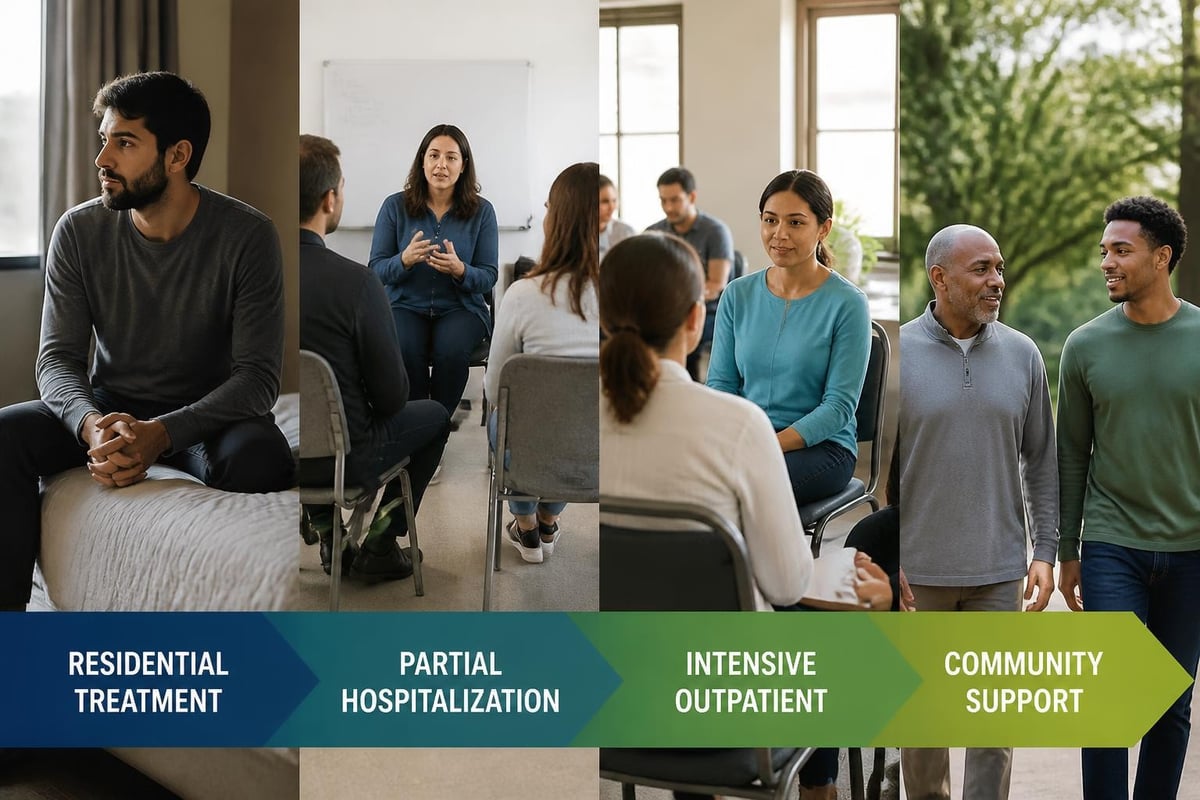
Inpatient versus outpatient rehab comparison

Outpatient Treatment Centers

Comprehensive outpatient rehabilitation facilities allow patients to receive treatment while maintaining their daily responsibilities. This flexibility makes outpatient care ideal for individuals with strong support systems, stable living situations, and less severe addictions.

Outpatient programs vary in intensity:

  1. Partial Hospitalization Programs (PHP) require 20-30 hours weekly
  2. Intensive Outpatient Programs (IOP) involve 9-19 hours per week
  3. Standard outpatient care consists of 1-2 sessions weekly

The graduated approach enables patients to step down from more intensive care as they demonstrate stability and progress. Many individuals transition from inpatient settings to outpatient programs as part of a continuum of care strategy.

Essential Features of Quality Rehab Places

Distinguishing exceptional facilities from mediocre ones requires examining specific characteristics that contribute to successful outcomes. Research consistently demonstrates that certain features correlate strongly with long-term recovery rates.

Accreditation and Licensing Standards

Legitimate rehab places maintain proper licensing through state health departments and voluntary accreditation from recognized organizations. These credentials verify that facilities meet established standards for safety, staff qualifications, and treatment protocols.

Accreditation Body Focus Area Verification Process
Joint Commission Healthcare quality and safety Comprehensive on-site surveys
CARF International Behavioral health and rehabilitation Peer-reviewed evaluation
State Health Departments Regulatory compliance Regular inspections and audits

Facilities should readily provide documentation of their credentials and allow prospective patients to verify their standing with accrediting bodies.

Evidence-Based Treatment Approaches

Modern rehab places incorporate scientifically validated therapies rather than relying solely on traditional 12-step models. While peer support remains valuable, clinical best practices demand integration of multiple therapeutic modalities.

Effective treatment programs typically include:

  • Cognitive Behavioral Therapy (CBT) for thought pattern modification
  • Dialectical Behavior Therapy (DBT) for emotional regulation
  • Motivational Interviewing to enhance engagement
  • Medication-Assisted Treatment (MAT) when clinically appropriate
  • Trauma-informed care addressing underlying psychological wounds

The American Hospital Association emphasizes the importance of comprehensive rehabilitation services that address the full spectrum of patient needs through coordinated, multidisciplinary approaches.

Specialized Programs Within Rehab Places

Addiction manifests differently across populations, necessitating tailored interventions. Progressive facilities recognize these distinctions and design specialized tracks addressing unique clinical presentations.

Dual Diagnosis Treatment

Approximately 50% of individuals seeking addiction treatment experience co-occurring mental health disorders. Dual diagnosis programs provide integrated care addressing both conditions simultaneously rather than treating them as separate issues.

These specialized rehab places staff psychiatrists, psychologists, and addiction counselors working collaboratively to develop comprehensive treatment plans. Medications may address psychiatric symptoms while therapy targets both addiction patterns and mental health challenges.

Gender-Specific Programming

Research indicates that gender-specific environments enhance treatment outcomes by addressing unique risk factors, trauma histories, and social pressures. Women's programs often emphasize trauma recovery, maternal roles, and relationship dynamics, while men's programs may focus on emotional expression, accountability, and healthy masculinity.

Specialized rehab programs

Age-Appropriate Services

Adolescent rehab places require fundamentally different approaches than adult facilities. Teenage brains continue developing through the mid-twenties, affecting impulse control, risk assessment, and decision-making. Youth programs incorporate educational components, family therapy, and developmentally appropriate interventions.

Conversely, programs serving older adults address retirement transitions, chronic health conditions, and age-related social isolation that may contribute to substance use.

Evaluating Staff Credentials and Expertise

The quality of clinical staff directly impacts treatment effectiveness. Examining team composition and qualifications provides insight into a facility's capability to deliver comprehensive care.

Medical Professionals

Reputable rehab places employ licensed physicians, preferably those board-certified in addiction medicine or psychiatry. Nurses with specialized training in substance use disorders manage medical complications, medication administration, and health monitoring throughout treatment.

Facilities offering medication-assisted treatment require prescribers authorized to dispense controlled substances like buprenorphine for opioid use disorder. This credential ensures compliance with federal regulations and appropriate clinical oversight.

Licensed Therapists and Counselors

Clinical staff should hold appropriate state licensures as Licensed Clinical Social Workers (LCSW), Licensed Professional Counselors (LPC), or Licensed Marriage and Family Therapists (LMFT). Many facilities also employ Certified Addiction Counselors (CAC) who bring both professional training and often personal recovery experience.

Verify therapist qualifications include:

  • Active, unrestricted licenses in good standing
  • Specialized training in addiction treatment modalities
  • Ongoing continuing education requirements
  • Supervision protocols for less experienced staff

The staff-to-patient ratio significantly affects treatment quality. Lower ratios enable more individualized attention and therapeutic engagement.

Treatment Philosophy and Approach

Rehab places operate under varying philosophical frameworks that shape every aspect of care delivery. Understanding these foundations helps match personal values with facility culture.

Abstinence-Based Versus Harm Reduction

Traditional abstinence-based programs define success as complete cessation of all substance use. These facilities typically embrace 12-step principles and view addiction as a chronic disease requiring lifelong commitment to sobriety.

Harm reduction approaches recognize that recovery journeys vary and prioritize reducing negative consequences over demanding immediate abstinence. These programs may support medication-assisted treatment, gradual reduction strategies, and meeting patients where they are in their readiness to change.

Neither approach is universally superior. The best fit depends on individual circumstances, addiction severity, previous treatment attempts, and personal beliefs about recovery.

Holistic and Alternative Therapies

Many modern rehab places incorporate complementary treatments alongside conventional therapy. These additions address physical, emotional, and spiritual wellness dimensions.

Therapy Type Primary Benefit Evidence Level
Mindfulness meditation Stress reduction and emotional regulation Strong research support
Yoga and movement therapy Body awareness and physical healing Moderate evidence
Acupuncture Withdrawal symptom management Mixed research findings
Nutritional counseling Physical health restoration Well-established benefits
Equine therapy Emotional connection and trust building Emerging evidence

While these modalities enhance overall wellness, they should supplement rather than replace evidence-based psychological and medical interventions.

Location and Environment Considerations

The physical setting of rehab places influences both comfort and therapeutic effectiveness. Geographic and environmental factors warrant careful consideration during facility selection.

Distance from Home

Proximity offers distinct advantages and disadvantages. Local facilities enable family participation in therapy sessions and maintain community connections. However, distance from familiar environments eliminates access to triggers, dealers, and using companions.

Many clinicians recommend treatment away from home for individuals with severe addictions, extensive local drug networks, or unstable living situations. Conversely, those with strong family support and stable employment may benefit from nearby facilities allowing continued work or family responsibilities.

Physical Environment and Amenities

The physical space itself affects mood, motivation, and healing. Natural settings with outdoor spaces promote stress reduction and contemplation. Urban facilities may offer more diverse therapeutic resources and easier family access.

Amenities vary significantly across price points and facility types. While luxury accommodations don't guarantee superior treatment outcomes, comfortable environments reduce stress and enhance engagement.

Insurance Coverage and Financial Planning

Cost represents a significant barrier for many seeking treatment. Understanding insurance benefits and payment options enables informed decisions about affordable rehab places.

Verifying Insurance Benefits

The Affordable Care Act requires most insurance plans to cover substance use disorder treatment as an essential health benefit. Coverage specifics vary by plan, including deductibles, copayments, and network restrictions.

Essential questions when contacting insurance providers:

  1. What is my deductible and out-of-pocket maximum?
  2. Which treatment levels are covered (inpatient, outpatient, detox)?
  3. How many treatment days or sessions does my plan authorize?
  4. Are there network restrictions limiting facility choices?
  5. What pre-authorization requirements exist?

Reputable facilities employ insurance verification specialists who investigate coverage details and advocate with insurers for necessary care authorization.

Self-Pay and Financial Assistance

For those without adequate insurance, many rehab places offer sliding scale fees based on income. Nonprofit facilities may provide scholarships or payment plans making treatment accessible regardless of financial resources.

State-funded programs serve uninsured or underinsured residents, though waitlists may delay admission. Organizations like Addiction Helper help connect individuals with appropriate resources matching their clinical needs and financial circumstances across comprehensive treatment networks.

Treatment planning process

Family Involvement and Support Systems

Addiction affects entire family systems, not just the individual struggling with substances. Progressive rehab places recognize this reality and incorporate family members into the treatment process.

Family Therapy and Education

Regular family sessions address communication patterns, enabling behaviors, and relationship dynamics that may perpetuate addiction. Therapists educate loved ones about addiction as a brain disease, reducing blame while promoting supportive responses.

Family programs teach practical skills:

  • Recognizing relapse warning signs
  • Setting healthy boundaries
  • Supporting recovery without enabling
  • Managing codependency patterns
  • Rebuilding trust gradually

These interventions improve both patient outcomes and family wellbeing, creating healthier home environments that support long-term recovery.

Visitation Policies

Facilities balance therapeutic needs with family connection. Early treatment phases often restrict contact, allowing patients to focus on intensive therapy without external distractions. As treatment progresses, scheduled visits and communication privileges increase.

Understanding visitation policies before admission prevents frustration and enables families to plan accordingly. Some programs designate specific family weekends featuring intensive educational programming and therapeutic activities.

Aftercare Planning and Continuing Support

The transition from structured treatment to independent living represents a vulnerable period. Quality rehab places develop comprehensive discharge plans addressing ongoing recovery needs.

Continuum of Care Coordination

Effective treatment doesn't end at discharge. Facilities should arrange step-down services matching the individual's progress level, whether intensive outpatient programming, regular therapy sessions, or peer support groups.

Components of robust aftercare plans include:

  • Outpatient therapy appointments scheduled before discharge
  • Medication management if using MAT approaches
  • 12-step or alternative peer support meeting schedules
  • Sober living housing arrangements when needed
  • Relapse prevention strategies and crisis contacts

Quality improvement initiatives within rehabilitation networks emphasize the importance of data-driven approaches to enhance patient outcomes through coordinated, evidence-based care transitions.

Alumni Programs and Ongoing Support

Many facilities maintain alumni networks providing continued connection and support. These programs offer regular check-ins, social activities, and opportunities to mentor newly admitted patients.

Alumni support reduces isolation and reinforces recovery principles learned during treatment. Ongoing relationships with counselors and peers who understand the recovery journey provide accountability and encouragement during challenging periods.

Red Flags When Evaluating Rehab Places

While many facilities provide excellent care, others prioritize profits over patient welfare. Recognizing warning signs protects vulnerable individuals from ineffective or potentially harmful programs.

Marketing Practices and Transparency

Legitimate rehab places provide clear information about treatment approaches, costs, and success rates. Be wary of facilities making unrealistic promises like guaranteed recovery or cure claims.

Warning signs include:

  • Refusal to disclose licensing or accreditation information
  • Aggressive marketing tactics or high-pressure sales approaches
  • Reluctance to allow facility tours or speak with staff
  • Vague descriptions of treatment methods and daily schedules
  • No medical professionals on staff or available

Research indicates that rehabilitation facilities must maintain specific certifications and meet established standards for Medicare participation, ensuring baseline quality and safety requirements.

Patient Brokering and Kickback Schemes

Unethical practices including patient brokering, where marketers receive payments for referring patients regardless of appropriateness, plague some markets. These arrangements prioritize financial gain over patient needs.

Legitimate facilities prohibit such practices and comply with federal anti-kickback statutes. Verify that admission decisions reflect clinical assessment rather than financial incentives.

Measuring Treatment Outcomes and Success Rates

Evaluating facility effectiveness requires understanding how outcomes are measured and what constitutes realistic success expectations.

Defining Recovery Success

Success metrics vary across facilities and treatment philosophies. Some programs measure only complete abstinence, while others consider reduced use, improved functioning, and harm reduction as positive outcomes.

Request specific data about:

  1. Completion rates for the full treatment program
  2. Sobriety rates at 6-month and 1-year post-discharge
  3. Employment and housing stability among alumni
  4. Readmission rates and continuing care engagement

Be skeptical of facilities claiming extraordinarily high success rates without explaining their methodology or follow-up procedures.

Research and Data-Driven Approaches

Advanced rehabilitation research increasingly utilizes electronic health record data and clinical analytics to improve treatment effectiveness through standardized measurement and evidence-based protocol refinement.

Progressive facilities participate in outcome tracking, quality improvement initiatives, and research studies demonstrating commitment to continuous enhancement of care delivery.

Making the Final Decision

Choosing among rehab places requires synthesizing multiple factors into a decision that balances clinical needs, practical constraints, and personal preferences. No single facility suits everyone perfectly.

Conducting Facility Tours

Virtual or in-person tours provide invaluable insight into daily life, staff interactions, and overall atmosphere. Observe cleanliness, safety measures, and whether the environment feels therapeutic or institutional.

During visits, ask to speak with current patients if possible. Their perspectives offer unfiltered views of treatment quality, staff responsiveness, and program effectiveness.

Trusting Professional Recommendations

Addiction specialists, primary care physicians, and intervention professionals familiar with local treatment resources can provide valuable guidance. Their experience with various rehab places enables informed recommendations matching clinical presentations with appropriate care levels.

State health departments maintain directories of licensed facilities and can verify credentials, inspection results, and any disciplinary actions, providing objective information for decision-making.

Taking the Next Step Toward Recovery

The most important factor in selecting rehab places remains taking action. Analysis paralysis or perfectionist thinking can delay crucial intervention. While finding the best possible fit matters, beginning treatment at a reputable facility outweighs waiting for an ideal option that may not exist.

Recovery journeys rarely follow straight paths. Initial treatment experiences inform future decisions if additional care becomes necessary. Each step forward, even imperfect ones, contributes to healing and transformation.


Selecting the right treatment facility requires careful evaluation of credentials, treatment approaches, and specialized services that align with individual recovery needs. Quality rehab places combine evidence-based therapies, qualified staff, and comprehensive support systems that extend beyond initial treatment into sustained recovery. If you or a loved one is struggling with addiction, Addiction Helper connects individuals with specialized rehab programs across South Africa, offering comprehensive assessments and personalized treatment matching to support your journey toward lasting recovery.

SHARE THIS:

Filed Under: Uncategorized

Addiction Program: Comprehensive Guide to Recovery

13 August 2026

Choosing the right addiction program can mean the difference between temporary relief and lasting recovery. With addiction affecting millions worldwide and treatment options ranging from outpatient counseling to intensive residential care, understanding what makes an effective program is essential for anyone seeking help. Modern addiction treatment has evolved significantly, incorporating evidence-based practices, personalized care plans, and holistic approaches that address the complex nature of substance use disorders. This guide explores the critical components of successful addiction programs, helping you make informed decisions about recovery.

Understanding the Structure of Modern Addiction Programs

A well-designed addiction program follows established clinical guidelines that ensure comprehensive care. The ASAM Criteria provides the most widely recognized framework for assessing patient needs and determining appropriate treatment levels. These standards help clinicians match individuals to the right intensity of care based on six assessment dimensions.

The core assessment dimensions include:

  • Acute intoxication and withdrawal potential
  • Biomedical conditions and complications
  • Emotional, behavioral, or cognitive conditions
  • Readiness to change
  • Relapse, continued use, or continued problem potential
  • Recovery environment

Professional programs use these criteria to create individualized treatment plans rather than applying a one-size-fits-all approach. This personalization recognizes that addiction manifests differently across individuals, influenced by genetic factors, environmental circumstances, mental health conditions, and substance types.

ASAM assessment dimensions for addiction treatment

Treatment Intensity Levels

Addiction program intensity varies across five distinct levels, each designed for specific patient needs and circumstances.

Level Setting Intensity Best For
0.5 Early Intervention Minimal At-risk individuals not meeting diagnostic criteria
1 Outpatient 1-9 hours/week Stable patients with strong support systems
2 Intensive Outpatient/Partial Hospitalization 9-20+ hours/week Moderate severity requiring structure without residential care
3 Residential/Inpatient 24-hour care Severe addiction with unstable living situations
4 Medically Managed Intensive Inpatient Continuous medical monitoring Life-threatening withdrawal or serious medical complications

The progression through these levels isn't always linear. Some individuals begin at higher levels and step down as they stabilize, while others may need to increase intensity if outpatient care proves insufficient.

Components of Comprehensive Addiction Programs

Effective treatment extends beyond simply stopping substance use. Quality programs address the biological, psychological, and social factors that contribute to addiction.

Medical Detoxification

Detoxification represents the first critical phase for many entering an addiction program. This medically supervised process manages withdrawal symptoms safely while the body clears addictive substances. Professional detox programs provide 24-hour monitoring, medication management, and immediate intervention for complications.

Withdrawal timelines vary by substance:

  1. Alcohol: Symptoms peak within 24-72 hours, with severe cases requiring benzodiazepine protocols
  2. Opioids: Acute symptoms emerge within 12 hours for short-acting drugs, lasting 5-7 days
  3. Benzodiazepines: Gradual taper over weeks or months prevents dangerous complications
  4. Stimulants: Primarily psychological symptoms including depression and intense cravings

Detoxification alone doesn't constitute treatment. Without follow-up care, relapse rates exceed 90% within the first year. This is why reputable programs integrate detox as the foundation for ongoing therapeutic intervention.

Evidence-Based Therapeutic Approaches

Modern addiction programs incorporate therapies with proven effectiveness in clinical research. Cognitive Behavioral Therapy (CBT) helps patients identify thought patterns that trigger substance use and develop healthier coping mechanisms. Motivational Interviewing addresses ambivalence about change, helping individuals find internal motivation for recovery.

Dialectical Behavior Therapy (DBT) proves particularly effective for patients with co-occurring mental health conditions, teaching distress tolerance and emotional regulation skills. Group therapy creates peer support networks where individuals share experiences, challenge denial, and practice interpersonal skills in a safe environment.

Family therapy addresses relationship dynamics that may enable addiction or create obstacles to recovery. The American Society of Addiction Medicine emphasizes family involvement as a critical component of comprehensive treatment, recognizing that addiction affects entire family systems.

Evidence-based therapies in addiction treatment

Specialized Program Features for Different Needs

Not every person struggling with addiction requires the same type of program. Specialized tracks address unique populations and substance-specific challenges.

Dual Diagnosis Treatment

Approximately 50% of individuals with severe mental health disorders also experience substance use disorders. Dual diagnosis programs provide integrated treatment for both conditions simultaneously, recognizing that addressing only one issue leaves patients vulnerable to relapse.

These programs employ psychiatrists, psychologists, and addiction specialists working collaboratively to manage medications, provide targeted therapy, and monitor symptom interaction. Common co-occurring conditions include depression, anxiety disorders, bipolar disorder, post-traumatic stress disorder, and personality disorders.

Gender-Specific Programs

Research demonstrates distinct differences in how addiction develops and manifests across genders. Women often face unique barriers including trauma history, childcare responsibilities, and societal stigma. Men may struggle with expressing emotions or seeking help due to cultural expectations around masculinity.

Gender-specific addiction programs create environments where participants address these unique challenges without the social dynamics present in mixed-gender settings. These programs report higher completion rates and better long-term outcomes for certain populations.

Age-Appropriate Treatment

Adolescent addiction programs differ significantly from adult treatment. Young people require developmentally appropriate interventions that involve family extensively, address academic concerns, and incorporate peer relationships constructively.

For older adults, programs must account for medical comorbidities, medication interactions, and life transitions like retirement or grief. The therapeutic approaches, pace of treatment, and recovery goals vary considerably across age groups.

Evaluating Program Quality and Credentials

Choosing an addiction program requires careful evaluation of credentials, treatment philosophy, and outcome transparency. The National Association of Addiction Treatment Providers offers resources for identifying reputable facilities that adhere to industry best practices.

Accreditation and Licensing

Legitimate programs maintain current state licensing and national accreditation from recognized bodies. The Joint Commission, CARF International, and state-specific agencies conduct rigorous reviews of facility operations, staff qualifications, and treatment protocols.

Key credentials to verify:

  • State licensure for addiction treatment services
  • National accreditation from recognized bodies
  • Staff credentials including licensed counselors, therapists, and medical professionals
  • Adherence to confidentiality regulations under HIPAA and 42 CFR Part 2
  • Level of Care Certification demonstrating ASAM Criteria compliance

Programs that resist providing credential information or make unrealistic promises about outcomes should raise immediate concerns. Ethical providers maintain transparency about their methods, success rates, and limitations.

Treatment Philosophy and Approach

Understanding a program's foundational philosophy helps determine fit with personal values and recovery goals. The 12-Step model, pioneered by Alcoholics Anonymous, emphasizes spiritual principles and peer support. Many programs incorporate 12-Step meetings while offering alternative frameworks for those seeking different approaches.

Non-12-Step programs may focus on SMART Recovery, which uses cognitive-behavioral techniques and self-empowerment principles. Some facilities offer secular alternatives or faith-based programs aligned with specific religious traditions. For those seeking comprehensive services, Addiction Helper provides specialized rehab programs across South Africa that address various substance and process addictions through evidence-based, personalized treatment approaches.

Treatment philosophy options

Measuring Treatment Outcomes

Quality programs track and report outcome data transparently. Completion rates, length of stay, post-treatment sobriety rates, and patient satisfaction all provide insights into program effectiveness.

Metric Industry Benchmark What It Reveals
Completion Rate 60-70% Program engagement and appropriateness
1-Year Sobriety 40-60% Long-term effectiveness
Readmission Rate 20-30% Relapse support and follow-up quality
Patient Satisfaction 80%+ positive Treatment experience and care quality

Programs refusing to discuss outcomes or claiming unrealistic success rates may lack rigorous evaluation processes. Recovery remains a challenging journey, and honest programs acknowledge both successes and limitations.

Aftercare and Continuing Support

The transition from structured treatment to independent living presents significant challenges. Comprehensive addiction programs recognize that recovery extends far beyond initial treatment.

Structured Aftercare Planning

Effective programs begin discharge planning at admission, gradually building skills and support systems needed for sustained recovery. Aftercare plans identify specific triggers, coping strategies, support meeting schedules, and emergency contacts for crisis situations.

Essential aftercare components include:

  1. Continued therapy: Weekly individual or group sessions maintaining therapeutic progress
  2. Medication management: Ongoing psychiatric care for mental health conditions or medication-assisted treatment
  3. Peer support: Regular attendance at recovery meetings or alumni groups
  4. Sober living: Transitional housing providing structure and accountability
  5. Relapse prevention planning: Written strategies for managing high-risk situations

Aftercare isn't optional for successful recovery. Research on addiction care standards demonstrates that continuing care significantly reduces relapse rates and improves quality of life outcomes.

Medication-Assisted Treatment

For opioid and alcohol addiction, medications can reduce cravings and normalize brain chemistry disrupted by chronic substance use. Methadone, buprenorphine, and naltrexone for opioid use disorder, and naltrexone, acamprosate, and disulfiram for alcohol use disorder all demonstrate effectiveness in clinical trials.

Quality addiction programs view medication as one tool within comprehensive treatment rather than a standalone solution. Combined with counseling and behavioral therapies, medication-assisted treatment produces better outcomes than either approach alone.

Practical Considerations for Entering Treatment

Beyond clinical factors, practical considerations influence treatment accessibility and success. Understanding insurance coverage, time commitments, and family needs helps in selecting appropriate programs.

Insurance and Financial Planning

The Mental Health Parity and Addiction Equity Act requires insurance plans to cover addiction treatment at levels comparable to other medical conditions. However, coverage specifics vary considerably across plans.

Questions to ask insurance providers:

  • What level of addiction program does my plan cover?
  • Are there in-network facilities I should prioritize?
  • What is my deductible and out-of-pocket maximum?
  • How many treatment days does my plan authorize initially?
  • Does coverage include family therapy and aftercare services?

Many programs employ insurance verification specialists who can clarify coverage details and identify potential costs before admission. Financial assistance, sliding-scale fees, and payment plans may be available for those without adequate insurance.

Family Involvement and Support

Addiction affects entire family systems, creating dysfunctional patterns that can either support or undermine recovery. Quality programs offer family education sessions, visiting opportunities, and dedicated family therapy sessions.

Family members benefit from their own support resources, including Al-Anon, Nar-Anon, or family therapy specific to addiction dynamics. Understanding enabling behaviors, setting healthy boundaries, and managing their own emotional responses helps families support recovery effectively.

Making the Decision to Seek Help

Recognizing the need for professional help represents a crucial first step. Many individuals delay treatment, believing they can manage addiction independently or waiting for circumstances to worsen. Resources from addiction education organizations provide reliable information to help individuals and families understand when professional intervention becomes necessary.

Warning signs indicating immediate need for an addiction program:

  • Failed attempts to quit or control substance use independently
  • Withdrawal symptoms when not using
  • Continued use despite serious negative consequences
  • Neglect of responsibilities, relationships, or personal care
  • Dangerous behaviors while intoxicated
  • Tolerance requiring increased amounts for desired effects

Treatment timing matters less than commitment to change. Whether entering an addiction program voluntarily or through intervention, openness to the recovery process predicts better outcomes than any specific moment of crisis.

Starting the Assessment Process

Most programs offer free confidential assessments to determine appropriate care levels. These evaluations typically involve structured interviews about substance use history, medical conditions, mental health, prior treatment, and current life circumstances.

Honesty during assessment ensures accurate placement and treatment planning. Minimizing substance use severity or withholding information about medical conditions can lead to inadequate care levels or dangerous medical complications.

The assessment also represents an opportunity to ask questions about program specifics, treatment philosophy, typical daily schedules, and expected outcomes. This dialogue helps determine whether a program aligns with personal needs and recovery goals.


Finding the right addiction program requires understanding treatment levels, evaluating quality indicators, and considering personal circumstances alongside clinical needs. Professional treatment addresses the complex biological, psychological, and social dimensions of addiction through evidence-based approaches tailored to individual situations. Whether you're seeking help for yourself or a loved one, Addiction Helper offers comprehensive addiction recovery services including specialized rehab programs, mental health support, and family interventions designed to create sustainable pathways to lasting sobriety.

SHARE THIS:

Filed Under: Uncategorized

Mental Rehabilitation Centers: A Comprehensive Guide

12 August 2026

Mental rehabilitation centers play a critical role in modern healthcare by providing specialized, structured environments where individuals can recover from serious mental health conditions and co-occurring substance use disorders. These facilities offer comprehensive treatment programs that address both the psychological and behavioral aspects of mental illness, creating pathways to sustainable recovery. As the understanding of mental health continues to evolve, these centers have become essential resources for individuals who require intensive support beyond what traditional outpatient care can provide.

Understanding Mental Rehabilitation Centers

Mental rehabilitation centers are specialized healthcare facilities designed to help individuals recover from serious mental illnesses, psychiatric disorders, and often co-occurring substance use conditions. These centers provide a structured therapeutic environment where patients receive comprehensive care from multidisciplinary teams of mental health professionals.

The primary goal of these facilities is to help individuals develop coping strategies, manage symptoms, and rebuild functional skills necessary for independent living. Unlike acute psychiatric hospitals that focus on crisis stabilization, mental rehabilitation centers emphasize longer-term recovery and skill development. According to the California Department of Health Care Services, these centers provide intensive support services that bridge the gap between hospitalization and community-based care.

Types of Mental Rehabilitation Programs

Mental rehabilitation centers offer various program structures to meet different patient needs:

  • Residential Treatment Programs: 24-hour care in a structured living environment
  • Partial Hospitalization Programs (PHP): Intensive daytime treatment with evening home stays
  • Intensive Outpatient Programs (IOP): Flexible scheduling for those maintaining work or school commitments
  • Transitional Living Programs: Supported housing with decreasing supervision as independence grows

Each program type serves a specific purpose in the continuum of care, allowing providers to match treatment intensity with individual needs and recovery stages.

Mental health treatment continuum

Core Services in Mental Rehabilitation Facilities

Mental rehabilitation centers deliver an integrated array of therapeutic services designed to address the multifaceted nature of mental illness and addiction recovery. The most effective programs recognize that recovery requires more than symptom management; it demands comprehensive lifestyle changes and skill development.

Psychiatric Care and Medication Management

Board-certified psychiatrists conduct thorough diagnostic assessments and develop individualized medication regimens. Regular monitoring ensures medications remain effective while minimizing side effects. This medical oversight is particularly crucial for patients with conditions like bipolar disorder, schizophrenia, or major depressive disorder.

Psychiatric nurses provide daily medication administration, vital sign monitoring, and immediate response to medical concerns. This continuous medical presence creates a safety net that allows patients to focus on recovery without fear of medical complications.

Evidence-Based Psychotherapy

Individual therapy sessions form the foundation of treatment in mental rehabilitation centers. Licensed therapists utilize proven modalities including:

  1. Cognitive Behavioral Therapy (CBT) to identify and modify harmful thought patterns
  2. Dialectical Behavior Therapy (DBT) for emotion regulation and distress tolerance
  3. Trauma-Focused Therapy to process and heal from past traumatic experiences
  4. Motivational Interviewing to strengthen personal commitment to change
  5. Family Systems Therapy to repair relationships and improve communication

Group therapy complements individual work by providing peer support, reducing isolation, and creating opportunities to practice new interpersonal skills in a supervised setting.

Therapy Type Primary Focus Typical Frequency Best For
Individual CBT Thought patterns and behaviors 2-3 sessions/week Depression, anxiety disorders
Group DBT Emotional regulation 2-4 sessions/week Borderline personality disorder
Family Therapy Relationship dynamics 1-2 sessions/week All conditions affecting families
Trauma Processing PTSD and past trauma 1-2 sessions/week Trauma-related conditions

Psychiatric Rehabilitation Services

The Pennsylvania Department of Human Services emphasizes the importance of person-centered psychiatric rehabilitation that helps individuals develop practical skills for daily living. These services focus on:

  • Activities of Daily Living (ADL) Training: Personal hygiene, nutrition, household management
  • Social Skills Development: Communication, conflict resolution, boundary setting
  • Vocational Rehabilitation: Job skills training, resume building, interview preparation
  • Financial Management: Budgeting, banking, bill payment skills
  • Community Integration: Navigation of public transportation, accessing community resources

These practical competencies are essential for successful community reintegration and long-term independence.

Specialized Programs for Dual Diagnosis

Mental rehabilitation centers increasingly recognize the interconnection between mental health disorders and substance use conditions. Dual diagnosis programs treat both conditions simultaneously rather than sequentially, acknowledging that each condition influences the other.

The integrated approach addresses the unique challenges that arise when mental illness and addiction co-occur. For individuals seeking comprehensive support for both conditions, Addiction Helper provides specialized rehab programs across South Africa that address various types of substance addictions alongside mental health concerns, offering the coordinated care essential for dual diagnosis recovery.

Dual diagnosis treatment integration

Common Co-Occurring Conditions

Research consistently demonstrates high rates of comorbidity between specific mental health and substance use disorders:

  • Depression and alcohol use disorder
  • Anxiety disorders and benzodiazepine dependence
  • Bipolar disorder and stimulant abuse
  • PTSD and multiple substance dependencies
  • Schizophrenia and cannabis use disorder

Treatment protocols must account for how substances may mask, worsen, or trigger mental health symptoms while simultaneously addressing the underlying psychiatric condition.

The Therapeutic Environment

The physical and social environment in mental rehabilitation centers significantly impacts treatment outcomes. These facilities are designed to feel less institutional and more homelike, reducing stress and promoting healing.

Structured Daily Schedules

Consistency and routine provide stability for individuals whose lives may have been chaotic due to mental illness or addiction. A typical day includes:

  1. Morning wellness check and medication
  2. Breakfast and personal care time
  3. Individual therapy session
  4. Group therapy or psychoeducation class
  5. Lunch and recreational activity
  6. Skills training workshop
  7. Afternoon group session or holistic therapy
  8. Dinner and evening relaxation activities
  9. Evening reflection and preparation for sleep

This structure helps patients develop healthy routines they can maintain after discharge.

Holistic and Complementary Therapies

Modern mental rehabilitation centers incorporate evidence-informed complementary therapies alongside traditional psychiatric treatment:

  • Mindfulness and Meditation: Stress reduction and present-moment awareness
  • Yoga and Movement Therapy: Mind-body connection and physical wellness
  • Art and Music Therapy: Creative expression and emotional processing
  • Nutritional Counseling: Brain health through proper nutrition
  • Exercise Programs: Physical fitness and natural mood enhancement

These modalities address the whole person, recognizing that mental health is interconnected with physical, emotional, and spiritual wellbeing.

Choosing the Right Mental Rehabilitation Center

Selecting an appropriate facility requires careful consideration of multiple factors. The American Residential Treatment Association provides guidance on evaluating treatment programs and understanding different facility types.

Accreditation and Licensing

Verify that any mental rehabilitation center maintains proper state licensing and accreditation from recognized bodies. Accreditation ensures facilities meet established standards for:

  • Staff qualifications and training
  • Treatment protocols and evidence-based practices
  • Safety and emergency procedures
  • Patient rights and ethical treatment
  • Quality improvement initiatives

The Indiana Division of Mental Health and Addiction outlines quality assurance standards that reflect industry best practices for mental health services.

Treatment Philosophy and Approach

Different facilities embrace varying treatment philosophies. Consider whether a center's approach aligns with personal values and recovery goals:

Treatment Model Core Philosophy Typical Features
Medical Model Illness-based, symptom reduction Medication focus, physician-led
Recovery Model Wellness-based, personal growth Peer support, skill building
Harm Reduction Pragmatic, incremental change Non-judgmental, client-directed
12-Step Integration Spiritual foundation, fellowship AA/NA meetings, sponsor system

Many modern facilities integrate elements from multiple models to provide comprehensive, individualized care.

Specialized Services for Specific Populations

Some mental rehabilitation centers offer specialized programs for particular demographics or conditions:

  • Adolescent and young adult programs
  • Gender-specific treatment tracks
  • LGBTQ+-affirming environments
  • Veterans' programs (like those described by the U.S. Department of Veterans Affairs)
  • Geriatric mental health services
  • Culturally specific programs

Specialized programs can significantly enhance treatment effectiveness by addressing unique needs and creating appropriate peer groups.

Evaluating mental health facilities

The Role of Family in Mental Rehabilitation

Family involvement strengthens treatment outcomes and supports long-term recovery. Mental rehabilitation centers increasingly recognize that mental illness affects entire family systems, not just individual patients.

Family Education Programs

Educational workshops help family members understand:

  • The biological and psychological aspects of mental illness
  • How to recognize warning signs of relapse
  • Effective communication strategies
  • Boundary setting and self-care
  • Available community resources and support networks

Knowledge reduces stigma, improves family dynamics, and creates a more supportive home environment for successful reintegration.

Family Therapy and Counseling

Dedicated family therapy sessions address relationship dynamics, past conflicts, and communication patterns that may have contributed to or resulted from mental illness. These sessions create opportunities for healing, forgiveness, and rebuilding trust.

Therapists also work with families to develop discharge plans and establish support systems that will remain active after formal treatment ends.

Insurance Coverage and Financial Considerations

Understanding payment options for mental rehabilitation centers helps families make informed decisions without financial barriers preventing necessary treatment.

Insurance and Mental Health Parity

Mental health parity laws require insurance plans to cover mental health and substance use disorder treatment at levels comparable to physical health coverage. However, specific benefits vary by plan, making verification essential.

Key questions to ask insurance providers include:

  • What level of care does the plan cover (residential, PHP, IOP)?
  • How many days of treatment are authorized?
  • What is the co-payment or coinsurance percentage?
  • Does the facility have in-network status?
  • What documentation is required for prior authorization?

Payment Alternatives

For those without adequate insurance coverage, alternatives include:

  • Sliding scale fees based on income
  • Payment plans allowing installment payments
  • State-funded programs for eligible residents
  • Non-profit facilities with scholarship opportunities
  • Employee assistance programs (EAPs) through employers

Using resources like FindTreatment.gov can help locate facilities that offer various payment options and accept different insurance types.

Aftercare and Continuing Support

Successful rehabilitation extends beyond facility discharge. Comprehensive aftercare planning is essential for maintaining progress and preventing relapse.

Transition Planning

Effective mental rehabilitation centers begin discharge planning on admission day. This forward-thinking approach ensures smooth transitions by:

  1. Identifying appropriate outpatient providers before discharge
  2. Scheduling first appointments within one week of leaving
  3. Ensuring medication continuity with prescriptions and refills
  4. Connecting patients with community support groups
  5. Establishing crisis response plans for high-risk periods

Long-Term Recovery Support

According to the Psychiatric Rehabilitation Association, evidence-based recovery practices emphasize ongoing support through:

  • Regular outpatient therapy to maintain treatment gains
  • Psychiatric medication management appointments
  • Peer support groups and recovery communities
  • Case management services for complex needs
  • Vocational rehabilitation and employment support
  • Supported housing programs when needed

The Psychiatric Rehabilitation Journal publishes research demonstrating that individuals with consistent aftercare support achieve significantly better long-term outcomes than those who discontinue services after residential treatment.

Evidence-Based Outcomes and Success Rates

Measuring treatment effectiveness helps patients and families make informed decisions about mental rehabilitation centers. While individual results vary, research demonstrates clear benefits of comprehensive psychiatric rehabilitation.

Metrics of Success

Mental rehabilitation centers track various outcomes to evaluate program effectiveness:

Outcome Measure Definition Industry Benchmark
Symptom Reduction Decreased severity of psychiatric symptoms 60-70% improvement
Hospitalization Rates Reduction in psychiatric emergencies 40-50% decrease
Medication Adherence Consistent proper medication use 75-85% compliance
Community Integration Successful return to work/school 50-60% achievement
Relapse Prevention Sustained recovery without return to acute care 60-70% at 1 year

These benchmarks provide general guidance, though individual programs may achieve different results based on patient population and treatment approach.

Research Supporting Psychiatric Rehabilitation

Academic research consistently validates the psychiatric rehabilitation approach. Studies published in peer-reviewed journals demonstrate that comprehensive treatment addressing medical, psychological, and social factors produces superior outcomes compared to medication-only approaches or brief interventions.

The Clubhouse Model, exemplified by centers like the Independence Center in St. Louis, shows particular promise for individuals with serious mental illnesses, emphasizing community, meaningful work, and social relationships as core components of recovery.

Regulatory Oversight and Patient Rights

Mental rehabilitation centers operate under strict regulatory frameworks designed to protect patient welfare and ensure quality care.

Patient Rights in Treatment

All individuals receiving treatment in mental rehabilitation centers maintain fundamental rights including:

  • Informed consent for all treatments and procedures
  • Confidentiality and privacy protections under HIPAA
  • Dignity and respectful treatment regardless of condition
  • Right to refuse treatment (within legal parameters)
  • Access to personal belongings and communication with family
  • Freedom from restraint or seclusion except in emergencies
  • Right to file grievances without retaliation

Understanding these rights empowers patients to advocate for themselves and ensures ethical treatment practices.

Monitoring and Quality Assurance

State licensing agencies conduct regular inspections of mental rehabilitation centers, reviewing:

  • Staff credentials and background checks
  • Treatment documentation and care plans
  • Medication storage and administration procedures
  • Safety protocols and emergency preparedness
  • Patient grievance processes and resolutions
  • Infection control and sanitation standards

These oversight mechanisms protect vulnerable populations and maintain industry standards across all licensed facilities.


Mental rehabilitation centers provide essential, life-changing services for individuals struggling with serious mental health conditions and co-occurring substance use disorders. The comprehensive, evidence-based treatment approaches offered in these facilities address the complex interplay of biological, psychological, and social factors that influence mental health and recovery.

If you or a loved one needs support for addiction and mental health challenges, Addiction Helper offers comprehensive services including mental health treatment, health assessments, family interventions, and specialized addiction counseling across South Africa. Our integrated approach to addiction and mental health recovery provides the coordinated care necessary for lasting transformation. Reach out today to begin your journey toward wellness and reclaim your life.

SHARE THIS:

Filed Under: Uncategorized

Rehab and Recovery: A Complete Guide to Healing

11 August 2026

The path toward lasting sobriety requires more than willpower alone. Millions of individuals struggling with substance use disorders and process addictions need structured support, evidence-based treatment, and comprehensive care systems to achieve meaningful change. Rehab and recovery programs provide the essential framework for this transformation, combining medical intervention, therapeutic support, and community resources to address the complex nature of addiction. Understanding the full scope of what rehab and recovery entails helps individuals and families make informed decisions about treatment options and prepares them for the journey ahead.

Understanding the Foundation of Effective Treatment

Rehab and recovery begins with recognizing that addiction is a chronic medical condition affecting brain chemistry, behavior patterns, and overall health. Modern treatment approaches view substance use disorders through a clinical lens rather than a moral failure, which fundamentally changes how programs are designed and delivered.

The most effective rehabilitation programs address multiple dimensions of health simultaneously. Physical health restoration forms the baseline, particularly during detoxification when the body adjusts to functioning without substances. Mental health treatment runs parallel to addiction-specific interventions since co-occurring disorders like depression, anxiety, and trauma-related conditions frequently accompany substance use disorders.

The Role of Assessment in Treatment Planning

Comprehensive health assessments serve as the starting point for personalized rehab and recovery strategies. These evaluations examine:

  • Medical history including past substance use, current health conditions, and medication interactions
  • Psychological state through mental health screenings and diagnostic interviews
  • Social circumstances such as family dynamics, employment status, and living environment
  • Addiction severity measured through standardized assessment tools
  • Treatment readiness and motivation for change

Assessment findings guide treatment team recommendations for appropriate care levels. Some individuals require intensive inpatient rehabilitation with 24-hour medical supervision, while others benefit from outpatient programs that allow them to maintain work and family responsibilities while attending structured therapy sessions.

Comprehensive addiction assessment components

Treatment Phases and Program Structures

The Substance Abuse and Mental Health Services Administration emphasizes that recovery is a process of change through which individuals improve their health and wellness, live self-directed lives, and strive to reach their full potential. This process typically unfolds through distinct but overlapping phases.

Detoxification and Medical Stabilization

Medically supervised detoxification addresses the immediate physical dependence on substances. During this phase, healthcare providers monitor vital signs, manage withdrawal symptoms, and ensure patient safety as the body eliminates toxins. The duration varies based on substance type, usage patterns, and individual physiology.

Substance Type Typical Detox Duration Common Withdrawal Symptoms
Alcohol 5-7 days Tremors, anxiety, seizures, hallucinations
Opioids 7-10 days Muscle aches, nausea, insomnia, sweating
Benzodiazepines 2-8 weeks Anxiety, panic attacks, seizures, insomnia
Stimulants 1-2 weeks Fatigue, depression, increased appetite, sleep disturbances

Detoxification alone does not constitute complete treatment. It serves as the essential first step that prepares individuals for the therapeutic work of rehab and recovery.

Active Rehabilitation and Therapeutic Intervention

Following stabilization, individuals enter the active treatment phase where behavioral change occurs through structured programming. This phase typically includes multiple therapeutic modalities delivered in coordinated fashion.

Individual counseling provides one-on-one sessions where clients explore underlying issues contributing to substance use, develop coping strategies, and work through personal challenges. Therapists utilize evidence-based approaches including cognitive-behavioral therapy, motivational interviewing, and trauma-informed care.

Group therapy creates opportunities for peer support and shared learning. Participants discover they are not alone in their struggles, practice interpersonal skills, and benefit from diverse perspectives on recovery challenges. Group settings also provide natural accountability structures that reinforce commitment to sobriety.

Family interventions recognize that addiction affects entire family systems, not just the individual using substances. Family therapy sessions repair damaged relationships, establish healthy communication patterns, and educate loved ones about addiction and recovery. When families understand the rehab and recovery process, they become powerful allies in long-term success.

Specialized programs at facilities like Addiction Helper address various types of substance dependencies and process addictions including gambling, providing tailored approaches that recognize the unique characteristics of different addictive behaviors.

Evidence-Based Approaches and Treatment Modalities

Modern rehab and recovery programs integrate multiple therapeutic approaches based on scientific research and clinical outcomes. The Recovery Research Institute provides extensive information on evidence-based practices that improve treatment effectiveness.

Cognitive-Behavioral Therapy Applications

Cognitive-behavioral therapy (CBT) forms the cornerstone of many addiction treatment programs. This approach helps individuals identify thought patterns that trigger substance use and develop healthier response mechanisms. Through CBT, clients learn to:

  1. Recognize high-risk situations and early warning signs of relapse
  2. Challenge distorted thinking patterns that justify substance use
  3. Develop practical coping skills for managing cravings and triggers
  4. Build problem-solving abilities for everyday life challenges
  5. Establish positive behavioral routines that support sobriety

CBT's structured, goal-oriented format produces measurable results that clients can track throughout their rehab and recovery journey.

Medication-Assisted Treatment Options

For certain substance use disorders, particularly opioid and alcohol dependencies, medication-assisted treatment (MAT) significantly improves outcomes. FDA-approved medications reduce cravings, normalize brain chemistry, and block the euphoric effects of substances.

Opioid use disorder medications include methadone, buprenorphine, and naltrexone. These medications allow individuals to stabilize their lives while engaging in counseling and behavioral therapies without the constant distraction of intense cravings.

Alcohol use disorder medications such as naltrexone, acamprosate, and disulfiram help reduce drinking behavior and support abstinence. When combined with psychosocial interventions, MAT creates a comprehensive approach to rehab and recovery.

Integrated treatment approaches

Building Long-Term Recovery Skills

Successful rehab and recovery extends far beyond initial treatment completion. The skills developed during formal programming must translate into sustainable lifestyle changes that support ongoing sobriety.

Relapse Prevention Strategies

Understanding that relapse risk remains elevated during early recovery helps individuals prepare appropriate safeguards. Effective prevention strategies include:

  • Trigger identification through self-monitoring and journaling
  • Stress management techniques like meditation, exercise, and breathing exercises
  • Healthy relationship development with supportive, substance-free individuals
  • Lifestyle balance addressing work, recreation, self-care, and social connection
  • Continued care through outpatient therapy and support groups

Research on social support in recovery demonstrates that connection with others in recovery significantly impacts long-term outcomes. Mutual support groups provide ongoing encouragement and accountability outside formal treatment settings.

Life Skills and Vocational Development

Many individuals entering rehab and recovery have experienced disruptions in education, employment, and daily functioning. Comprehensive programs address these practical needs through life skills training covering:

Skill Category Components Recovery Impact
Financial Management Budgeting, banking, credit repair Reduces stress, prevents relapse triggers
Employment Skills Resume building, interview practice, workplace behavior Provides purpose, structure, income
Daily Living Nutrition, hygiene, household management Builds self-efficacy and independence
Communication Assertiveness, conflict resolution, boundary setting Improves relationships, reduces isolation

These foundational capabilities support the broader goals of rehab and recovery by creating stable life circumstances that reduce vulnerability to substance use.

The Role of Aftercare in Sustained Recovery

Aftercare services bridge the gap between intensive treatment and independent living. This transitional phase proves critical for maintaining gains achieved during rehab and recovery programs.

Outpatient Continuing Care

Step-down care gradually reduces treatment intensity while maintaining therapeutic support. Individuals might transition from residential treatment to partial hospitalization, then to intensive outpatient programming, and finally to standard outpatient care. This graduated approach allows for continued monitoring and intervention if warning signs emerge.

Outpatient sessions typically occur one to three times weekly and focus on applying recovery skills in real-world settings. Therapists help clients navigate challenges like returning to work, rebuilding family relationships, and managing social situations involving substance availability.

Sober Living Environments

Transitional housing provides structured, substance-free living arrangements that support early recovery. Residents share responsibilities, participate in house meetings, submit to random drug testing, and maintain employment or educational pursuits.

Benefits of sober living include:

  1. Safe, supportive environment during vulnerable early recovery period
  2. Peer accountability and modeling of healthy recovery behaviors
  3. Gradual reintegration into independent living with built-in support
  4. Connection to recovery community and local resources
  5. Reduced risk of immediate relapse upon treatment completion

Duration in sober living varies based on individual needs, typically ranging from three months to one year as part of extended rehab and recovery support.

Aftercare components

Family Involvement and Support Systems

Addiction affects families profoundly, creating patterns of dysfunction, mistrust, and enabling behaviors that persist even after treatment begins. Effective rehab and recovery programs recognize family members as both impacted parties needing support and essential partners in the recovery process.

Family Education and Counseling

Educational components help families understand addiction as a medical condition rather than a choice or character flaw. This knowledge shift reduces blame and shame while increasing empathy and appropriate support. Topics covered typically include:

  • Neurobiology of addiction and how substances alter brain function
  • Common behavioral patterns in active addiction and recovery
  • Enabling versus supporting recovery efforts
  • Setting healthy boundaries and practicing self-care
  • Communication strategies that promote honesty and accountability

Family therapy sessions provide structured opportunities to address relationship damage, process emotions, and establish new interaction patterns. These sessions may include the person in recovery along with family members or separate family-only sessions depending on therapeutic goals.

Multi-Family Group Programming

Some rehab and recovery facilities offer multi-family groups where several families participate together. These sessions normalize family experiences with addiction, reduce isolation, and create opportunities for families to support one another. Shared problem-solving and collective wisdom enhance individual family healing.

Addressing Co-Occurring Mental Health Conditions

The Psychiatric Rehabilitation Association provides resources emphasizing the importance of integrated treatment for co-occurring disorders. Research consistently shows that approximately 50% of individuals with substance use disorders also experience mental health conditions.

Integrated Dual Diagnosis Treatment

Effective rehab and recovery for individuals with co-occurring conditions requires simultaneous treatment of both issues by coordinated clinical teams. Sequential treatment (addressing one condition before the other) typically produces poorer outcomes because untreated mental health symptoms often trigger substance use and vice versa.

Integrated care models include:

  • Cross-trained staff competent in both addiction and mental health treatment
  • Unified treatment planning addressing both conditions simultaneously
  • Coordinated medication management for psychiatric and withdrawal symptoms
  • Therapeutic approaches modified for dual diagnosis populations
  • Extended treatment duration recognizing increased complexity

Common co-occurring conditions include major depression, bipolar disorder, post-traumatic stress disorder, anxiety disorders, and attention-deficit/hyperactivity disorder. Each requires specific clinical interventions integrated into the broader rehab and recovery framework.

Measuring Success and Recovery Outcomes

Defining success in rehab and recovery extends beyond simple abstinence. Comprehensive outcome measures examine multiple life domains to assess true recovery progress.

Holistic Recovery Indicators

Quality of life improvements provide meaningful success metrics alongside sobriety duration. These indicators include:

Recovery Dimension Success Indicators Measurement Approaches
Physical Health Vital signs normalized, chronic conditions managed, healthy weight Medical examinations, lab work, fitness assessments
Mental Health Reduced symptoms, improved mood stability, decreased anxiety Standardized psychological assessments, self-reports
Social Functioning Healthy relationships, community involvement, social support Relationship quality scales, social network analysis
Vocational Status Employment stability, educational advancement, financial independence Employment records, income tracking, skill development
Legal Status Reduced arrests, compliance with probation, resolved legal issues Court records, legal obligation completion

These multidimensional measures capture the full scope of rehab and recovery transformation, recognizing that true healing encompasses all life areas affected by addiction.

Recovery Capital Development

Recovery capital refers to the internal and external resources individuals can draw upon to initiate and sustain recovery. Building recovery capital becomes a primary goal of effective treatment programs.

Personal recovery capital includes individual strengths like resilience, coping skills, self-efficacy, and recovery knowledge. Social recovery capital encompasses supportive relationships, community connections, and access to recovery-oriented services. Programs that intentionally build both types of capital produce stronger, more durable recovery outcomes.

Specialized Population Considerations

Different demographic groups face unique challenges requiring tailored approaches within rehab and recovery programming.

Adolescent and Young Adult Treatment

Young people in treatment require age-appropriate interventions addressing developmental needs. Adolescent programs incorporate family involvement extensively since youth typically return to family homes. Educational support ensures minimal academic disruption during treatment. Peer influences receive particular attention given their powerful impact on adolescent behavior.

Gender-Responsive Programming

Women and men often experience addiction differently and benefit from gender-specific programming elements. Women face higher rates of trauma, co-occurring eating disorders, and childcare concerns. Women-only environments can feel safer for processing sensitive issues. Men may need focused work on emotional expression and vulnerability. Some facilities offer gender-specific tracks within larger programs.

Cultural Competency in Treatment

Effective rehab and recovery respects cultural backgrounds, incorporating traditional healing practices where appropriate and ensuring clinical staff understand diverse cultural perspectives on addiction, family, and recovery. Language access, culturally relevant examples, and recognition of community-specific stressors improve engagement and outcomes for diverse populations.


The journey through rehab and recovery demands commitment, support, and comprehensive care that addresses the full complexity of addiction. Success requires more than initial treatment completion; it builds through ongoing skill development, relationship repair, mental health management, and community connection that sustain sobriety over years and decades. If you or someone you care about is struggling with substance use or process addictions, Addiction Helper offers specialized programs, family interventions, and comprehensive support services across South Africa designed to guide individuals through every phase of healing and into lasting recovery.

SHARE THIS:

Filed Under: Uncategorized

Alcohol Support: Finding the Right Help for Recovery

10 August 2026

Finding effective alcohol support can be a transformative step toward reclaiming control over your life. Whether you're struggling with alcohol use disorder yourself or seeking help for a loved one, understanding the full spectrum of available support options is essential for making informed decisions. The landscape of alcohol support has evolved significantly, offering diverse pathways that address physical, psychological, and social aspects of recovery. This comprehensive guide explores the various forms of alcohol support, helping you identify the resources and strategies that align with your specific needs and circumstances.

Understanding the Scope of Alcohol Support Services

Alcohol support encompasses a broad range of interventions designed to help individuals reduce or eliminate their alcohol consumption while addressing the underlying factors contributing to problematic drinking. These services vary in intensity, structure, and approach, creating a continuum of care that can be tailored to individual circumstances.

Professional Treatment Programs

Professional alcohol support begins with specialized treatment programs that provide medical supervision and therapeutic intervention. These programs typically include detoxification services, residential rehabilitation, and outpatient therapy. Medical detoxification addresses the physical dependency on alcohol, managing potentially dangerous withdrawal symptoms under clinical supervision. The SAMHSA substance use resources provide comprehensive information about treatment approaches and their effectiveness.

Residential rehabilitation offers immersive alcohol support in a structured environment, removing individuals from triggering situations while providing intensive therapy. These programs typically last between 28 and 90 days, though duration varies based on individual needs and progress. Outpatient programs offer flexibility for those who need to maintain work or family commitments while receiving treatment.

Professional alcohol treatment continuum

Evidence-Based Therapeutic Approaches

Modern alcohol support incorporates multiple therapeutic modalities proven effective through rigorous research. Cognitive-behavioral therapy helps individuals identify and change thought patterns that contribute to drinking behaviors. Motivational interviewing strengthens personal commitment to recovery by exploring ambivalence and building intrinsic motivation for change.

Key therapeutic approaches include:

  • Cognitive-behavioral therapy for identifying triggers and developing coping strategies
  • Dialectical behavior therapy for emotional regulation
  • Family systems therapy to address relationship dynamics
  • Trauma-focused therapy for underlying psychological wounds
  • Medication-assisted treatment combining therapy with FDA-approved medications

The integration of these approaches creates comprehensive alcohol support that addresses multiple dimensions of addiction simultaneously. Understanding alcohol use disorder symptoms and treatment helps individuals recognize when professional intervention becomes necessary.

Mutual Support Groups and Peer Networks

Peer-based alcohol support provides invaluable connection with others who understand the challenges of recovery firsthand. These groups offer accountability, shared experiences, and ongoing encouragement that complements professional treatment.

Traditional Twelve-Step Programs

Alcoholics Anonymous and similar twelve-step programs have provided alcohol support for millions of people since 1935. These groups operate on principles of mutual aid, spiritual growth, and accountability through sponsorship. Meetings occur regularly in communities worldwide, creating accessible support networks regardless of geographic location.

The twelve-step approach emphasizes acceptance of powerlessness over alcohol, reliance on a higher power, and making amends for past harms. While this spiritual framework resonates with many, it represents just one option within the broader landscape of alcohol support.

Alternative Mutual Support Options

Recognition that different approaches work for different people has led to diverse mutual support options. SMART Recovery uses cognitive-behavioral techniques and emphasizes self-empowerment rather than powerlessness. Women for Sobriety focuses on positive thinking and self-esteem building specifically for women in recovery.

Support Group Type Core Philosophy Meeting Format Best Suited For
Twelve-Step Programs Spiritual growth, powerlessness Speaker meetings, step work Those comfortable with spiritual approach
SMART Recovery Self-empowerment, CBT techniques Science-based discussions Those preferring non-spiritual methods
Refuge Recovery Buddhist principles, meditation Mindfulness practice Those interested in meditation-based recovery
LifeRing Secular Recovery Self-directed change Peer-led discussions Those seeking secular approach

Medical and Psychiatric Components of Alcohol Support

Comprehensive alcohol support addresses both the physical and mental health dimensions of alcohol use disorder. Medical intervention becomes particularly important for individuals with long-term heavy drinking patterns or co-occurring health conditions.

Medication-Assisted Treatment

Several FDA-approved medications support alcohol recovery by reducing cravings, blocking euphoric effects, or creating unpleasant reactions to alcohol consumption. Naltrexone reduces the rewarding effects of alcohol, making drinking less appealing. Acamprosate helps restore brain chemistry balance disrupted by chronic alcohol use. Disulfiram creates adverse reactions when combined with alcohol, providing a deterrent effect.

These medications work most effectively when combined with counseling and behavioral therapies, creating integrated alcohol support that addresses biological and psychological factors simultaneously. Healthcare professionals can assess which medications might benefit specific individuals based on medical history, drinking patterns, and treatment goals.

Integrated medical alcohol support

Co-Occurring Mental Health Treatment

Many individuals seeking alcohol support also struggle with anxiety, depression, post-traumatic stress disorder, or other mental health conditions. Integrated dual diagnosis treatment addresses both conditions simultaneously rather than treating them separately. This approach recognizes that alcohol use often represents an attempt to self-medicate underlying psychological distress.

Mental health integration includes:

  1. Comprehensive psychiatric evaluation to identify all conditions
  2. Coordinated treatment planning addressing both alcohol use and mental health
  3. Medication management when appropriate for mental health conditions
  4. Trauma-informed care recognizing past experiences
  5. Ongoing monitoring and adjustment of treatment approaches

Family and Social Support Systems

Alcohol use disorder affects entire family systems, making family involvement a crucial component of effective alcohol support. Educational programs help family members understand addiction as a medical condition rather than a moral failing, reducing shame and enabling more constructive support.

Family Therapy and Education

Family therapy sessions provide safe spaces for addressing relationship damage caused by alcohol use while building healthier communication patterns. These sessions help families establish appropriate boundaries, recognize enabling behaviors, and develop strategies for supporting recovery without assuming responsibility for another person's sobriety.

Al-Anon and similar programs offer alcohol support specifically for family members, providing peer connection with others navigating similar challenges. These groups help family members maintain their own wellbeing while supporting a loved one's recovery journey.

Building Sober Support Networks

Recovery requires developing new social connections that support sobriety rather than revolving around alcohol consumption. This often means evaluating existing relationships and making difficult decisions about friendships that compromise recovery efforts. Alcohol support programs help individuals build new networks through sober social activities, recovery community events, and service work within support organizations.

Accessing Quality Alcohol Support Resources

Navigating the diverse landscape of alcohol support can feel overwhelming, particularly when beginning the recovery journey. Understanding how to evaluate program quality and identify appropriate resources streamlines this process significantly. For those in South Africa seeking comprehensive treatment options, Addiction Helper provides specialized rehab programs addressing various types of substance addictions with professional support.

Evaluating Treatment Program Quality

Quality alcohol support programs demonstrate specific characteristics that indicate evidence-based practices and professional standards. Accreditation from recognized organizations ensures programs meet established quality benchmarks. Qualified staff with appropriate credentials and ongoing training provide competent care grounded in current research.

The NIAAA Alcohol Treatment Navigator offers step-by-step guidance for identifying quality treatment programs that meet individual needs. This resource helps individuals ask the right questions and evaluate program offerings systematically.

Quality indicators include:

  • Accreditation from national or state licensing bodies
  • Evidence-based treatment approaches with proven effectiveness
  • Individualized treatment planning rather than one-size-fits-all programs
  • Comprehensive assessment addressing physical, psychological, and social factors
  • Aftercare planning for ongoing support following initial treatment
  • Family involvement and education components
  • Transparent pricing and insurance information

Insurance Coverage and Financial Considerations

Understanding insurance coverage for alcohol support services removes financial barriers that might otherwise prevent treatment access. The Mental Health Parity and Addiction Equity Act requires insurance plans to cover addiction treatment comparably to other medical conditions, though specific coverage varies between plans.

Many treatment facilities employ insurance specialists who verify benefits and explain coverage details. For individuals without insurance or adequate coverage, sliding-scale fees, payment plans, state-funded programs, and nonprofit organizations may provide alternatives. The NIAAA helpful links for alcohol treatment includes resources for finding affordable care options.

Navigating alcohol support resources

Specialized Alcohol Support for Unique Populations

Different populations face distinct challenges requiring tailored alcohol support approaches. Recognition of these differences improves treatment effectiveness and engagement across diverse groups.

Age-Specific Considerations

Adolescents and young adults require alcohol support that addresses developmental factors, peer influences, and family dynamics specific to their age group. Programs designed for younger individuals incorporate age-appropriate language, address academic concerns, and involve parents in treatment planning. College-specific programs recognize unique drinking cultures and social pressures in academic environments.

Older adults face different challenges, including medical complications from alcohol use, prescription medication interactions, and social isolation. Alcohol support for this population emphasizes medical monitoring, medication management, and addressing grief, retirement transitions, or other life changes that may contribute to drinking.

Gender-Responsive Treatment

Women and men often experience alcohol use disorder differently, with distinct triggers, consequences, and recovery needs. Women-specific alcohol support addresses trauma, body image, relationships, and childcare concerns more prevalent among women seeking treatment. These programs create safe environments for discussing sensitive topics like domestic violence, sexual trauma, and reproductive health.

Men's programs may focus more heavily on emotional expression, identity beyond traditional masculine roles, and relationship skills. Gender-responsive treatment recognizes these differences without stereotyping, creating spaces where individuals feel understood and supported.

Population Unique Considerations Specialized Support Elements
Adolescents Brain development, peer pressure, family dynamics Age-appropriate therapy, family involvement, academic support
Older Adults Medical complications, medication interactions, isolation Medical monitoring, social connection, grief counseling
Women Trauma, childcare, reproductive health Trauma-informed care, childcare services, women-only groups
LGBTQ+ Individuals Discrimination, identity stress, minority stress Affirming environments, identity-focused therapy
Veterans Combat trauma, military culture, PTSD Trauma treatment, veteran-specific groups, VA resources

Aftercare and Long-Term Recovery Support

Initial treatment represents just the beginning of recovery, making ongoing alcohol support essential for maintaining sobriety long-term. Aftercare planning begins during primary treatment, creating seamless transitions to continuing care services.

Continuing Care Programs

Step-down programs provide gradually decreasing intensity of support as individuals strengthen recovery skills. Intensive outpatient programs offer several hours of therapy weekly while allowing individuals to live at home and maintain daily responsibilities. Regular outpatient counseling provides ongoing support with less frequent sessions.

Recovery coaching offers personalized alcohol support from individuals with lived recovery experience who provide accountability, encouragement, and practical guidance. These coaches help navigate challenges, celebrate milestones, and maintain focus on recovery goals outside formal treatment settings.

Relapse Prevention Strategies

Understanding relapse as a process rather than a single event enables proactive intervention before return to drinking occurs. Relapse prevention training helps individuals recognize warning signs, identify high-risk situations, and implement coping strategies before situations become unmanageable. The NIAAA resources for patient care include professional tools that inform comprehensive relapse prevention planning.

Effective relapse prevention includes:

  1. Identifying personal triggers and high-risk situations
  2. Developing specific coping strategies for managing cravings
  3. Building strong support networks for accountability
  4. Maintaining regular connection with recovery community
  5. Addressing co-occurring mental health conditions proactively
  6. Creating structured routines that support sobriety
  7. Practicing self-care through sleep, nutrition, and exercise
  8. Developing meaningful activities that provide purpose and fulfillment

Measuring Progress and Celebrating Milestones

Recovery involves continuous growth rather than achieving a fixed endpoint. Tracking progress through sobriety milestones, improved relationships, health gains, and personal achievements reinforces motivation and provides perspective during challenging periods. Many alcohol support programs celebrate sobriety anniversaries formally, recognizing the significance of sustained abstinence while acknowledging ongoing commitment required.

Beyond abstinence, meaningful recovery metrics include quality of life improvements, relationship health, vocational success, physical wellness, and emotional stability. This holistic view of progress prevents fixation solely on days since last drink while acknowledging the comprehensive life changes recovery entails.

Digital and Technology-Enhanced Alcohol Support

Technology has expanded access to alcohol support, creating new opportunities for individuals who might not access traditional services. These innovations supplement rather than replace in-person care, extending support into daily life between formal treatment sessions.

Online Support Communities and Apps

Digital platforms connect individuals seeking alcohol support across geographic boundaries, creating communities available 24/7 regardless of location. Smartphone applications provide sobriety tracking, craving management tools, motivational messages, and emergency support connections. Some apps incorporate evidence-based techniques like cognitive-behavioral therapy exercises, mindfulness practices, and relapse prevention strategies.

Telehealth services deliver professional counseling, psychiatric medication management, and group therapy through video conferencing, reducing barriers related to transportation, childcare, or geographic isolation. Research indicates comparable effectiveness between telehealth and in-person services for many aspects of alcohol support.

Balancing Technology with Human Connection

While technology enhances alcohol support accessibility, human connection remains central to recovery. Digital tools work best when integrated with in-person services, mutual support groups, and real-world relationships. Technology should facilitate rather than replace the meaningful connections that sustain long-term recovery.

Some individuals find that excessive reliance on digital tools creates emotional distance or prevents full engagement with difficult feelings that require processing for healing. Balanced use of technology maintains its benefits while preserving the irreplaceable value of face-to-face human interaction in recovery communities.


Effective alcohol support combines professional treatment, peer connection, family involvement, and ongoing aftercare tailored to individual circumstances and needs. The journey toward recovery looks different for everyone, but comprehensive support systems provide the foundation for lasting change. If you or someone you care about is struggling with alcohol use, Addiction Helper offers specialized rehabilitation programs throughout South Africa, providing the professional guidance, evidence-based treatment, and compassionate support necessary for building a healthier future free from alcohol dependency.

SHARE THIS:

Filed Under: Uncategorized

Drug Help: A Guide to Finding Effective Treatment

9 August 2026

Seeking drug help represents a pivotal moment in the journey toward recovery from substance use disorders. Whether you're struggling with addiction yourself or supporting a loved one through this challenge, understanding the landscape of available treatment options, support systems, and recovery resources can make the difference between continued struggle and lasting transformation. The process of finding effective drug help has evolved significantly in recent years, with evidence-based treatments, specialized programs, and comprehensive support networks now more accessible than ever before.

Understanding the Need for Drug Help

Substance use disorders affect millions of people worldwide, cutting across all demographics, socioeconomic backgrounds, and communities. The decision to seek drug help often comes after a period of denial, failed attempts at self-management, or escalating consequences that can no longer be ignored.

Recognizing when professional intervention becomes necessary requires honest self-assessment. Warning signs include unsuccessful attempts to reduce or stop using substances, continued use despite negative consequences, withdrawal symptoms when attempting to quit, and increasing tolerance that requires larger amounts to achieve the same effects.

According to comprehensive addiction statistics, treatment gaps remain significant, with many individuals who need help never receiving professional support. This gap exists not due to lack of desire for change, but often because of barriers including stigma, financial concerns, lack of awareness about available options, and uncertainty about where to begin.

The Stigma Barrier

One of the most significant obstacles preventing people from accessing drug help is the persistent stigma surrounding addiction. Many individuals delay seeking treatment because they fear judgment from family members, employers, or their community. Understanding addiction as a medical condition rather than a moral failing represents a critical shift in perspective.

Professional treatment providers approach substance use disorders with compassion and clinical expertise, recognizing that addiction involves complex interactions between brain chemistry, genetic predisposition, environmental factors, and psychological variables. This medical model removes blame and focuses on evidence-based interventions that address the root causes of addictive behaviors.

Comprehensive assessment process for substance use disorders

Types of Drug Help Available

The spectrum of drug help options has expanded considerably, offering multiple pathways to recovery that can be tailored to individual needs, circumstances, and preferences.

Inpatient Rehabilitation Programs

Residential treatment provides the most intensive level of care, with individuals living at a treatment facility for a specified period, typically ranging from 28 days to several months. These programs offer:

  • 24/7 medical supervision and support
  • Structured daily schedules including therapy, education, and wellness activities
  • Separation from triggers and environments associated with substance use
  • Intensive individual and group counseling
  • Medical detoxification services when necessary
  • Comprehensive aftercare planning

Inpatient programs prove particularly beneficial for individuals with severe addictions, co-occurring mental health disorders, previous unsuccessful treatment attempts, or unsafe home environments. The immersive nature of residential care allows for focused healing without the distractions and temptations of daily life.

Outpatient Treatment Options

For those with work obligations, family responsibilities, or less severe substance use patterns, outpatient drug help offers flexibility while still providing professional support. These programs vary in intensity:

Program Type Time Commitment Best For
Intensive Outpatient (IOP) 9-20 hours per week Transition from inpatient care, moderate addiction
Partial Hospitalization (PHP) 20-30 hours per week Severe cases needing structure but not 24/7 care
Standard Outpatient 1-2 hours per week Maintenance phase, mild substance issues

Outpatient programs allow participants to apply recovery skills in real-world settings while maintaining employment and family connections, though they require strong personal commitment and a supportive home environment.

Medication-Assisted Treatment

For certain substance dependencies, particularly opioids and alcohol, medication-assisted treatment (MAT) combines pharmaceutical interventions with counseling and behavioral therapies. This approach addresses both the physical and psychological aspects of addiction.

FDA-approved medications help manage withdrawal symptoms, reduce cravings, and normalize brain chemistry disrupted by prolonged substance use. When integrated with comprehensive therapy, MAT significantly improves treatment retention and reduces relapse rates.

The Assessment Process

Accessing appropriate drug help begins with a thorough assessment conducted by qualified professionals. This evaluation serves multiple purposes, including determining the severity of the substance use disorder, identifying co-occurring conditions, and recommending the most suitable treatment approach.

Comprehensive assessments typically examine:

  1. Substance use history: Types of substances used, frequency, quantity, duration, and methods of use
  2. Medical history: Physical health conditions, medications, previous injuries or surgeries
  3. Mental health status: Depression, anxiety, trauma, or other psychiatric conditions
  4. Social circumstances: Living situation, employment status, relationships, legal issues
  5. Previous treatment: Past recovery attempts, what worked, what didn't
  6. Motivation and readiness: Stage of change, personal goals, concerns about treatment

This information guides the development of an individualized treatment plan addressing each person's unique needs and circumstances. Recent trends in substance use highlight the importance of staying current with emerging patterns and adapting treatment approaches accordingly.

Evidence-based therapies in addiction treatment

Evidence-Based Treatment Approaches

Modern drug help relies on scientifically validated therapies proven effective through rigorous research. Understanding these approaches helps individuals make informed decisions about their treatment path.

Cognitive-Behavioral Therapy

CBT stands as one of the most widely used and researched treatments for substance use disorders. This approach helps individuals:

  • Identify thoughts and beliefs that trigger substance use
  • Develop coping strategies for managing cravings and high-risk situations
  • Challenge distorted thinking patterns that support addictive behaviors
  • Build problem-solving skills for addressing life challenges without substances

The skills learned through CBT remain useful long after formal treatment ends, providing tools for maintaining long-term sobriety.

Motivational Interviewing

This client-centered counseling approach helps resolve ambivalence about change and strengthens personal motivation for recovery. Rather than confrontational tactics, motivational interviewing:

Explores the individual's own reasons for wanting change

Amplifies discrepancies between current behavior and personal values or goals

Supports self-efficacy and confidence in the ability to change

Respects autonomy and the individual's right to make their own decisions

This collaborative approach proves particularly effective for individuals in early stages of contemplating change or those mandated to treatment.

Family Therapy and Systemic Approaches

Addiction affects entire family systems, not just the individual using substances. Family-focused interventions address relationship patterns, communication styles, and enabling behaviors that may inadvertently support continued substance use.

Benefits of family involvement include:

  • Improved understanding of addiction as a family disease
  • Healing damaged relationships and rebuilding trust
  • Creating a supportive home environment conducive to recovery
  • Addressing codependency and unhealthy family dynamics
  • Providing education about addiction and recovery processes

For South Africans seeking comprehensive support, Addiction Helper offers specialized rehab programs that incorporate family interventions alongside individual treatment.

Specialized Programs for Different Substances

Different substances require tailored treatment approaches that address their unique physiological and psychological effects. Comprehensive drug help recognizes these distinctions.

Opioid Addiction Treatment

The opioid crisis continues affecting communities worldwide, though recent data shows declining overdose deaths through most of 2025, suggesting that expanded access to treatment and harm reduction strategies may be making a difference.

Opioid treatment programs typically include:

  • Medical detoxification with symptom management
  • Medication-assisted treatment using methadone, buprenorphine, or naltrexone
  • Intensive counseling addressing underlying psychological factors
  • Relapse prevention planning with emphasis on overdose risk

Stimulant Use Disorders

Cocaine, methamphetamine, and other stimulants present distinct challenges, as no FDA-approved medications currently exist for these substances. Treatment focuses heavily on behavioral interventions, with contingency management showing particular promise.

This approach provides tangible rewards for verified abstinence, creating positive reinforcement for drug-free behavior while participants develop intrinsic motivation and healthy coping mechanisms.

Alcohol Use Disorder

Despite being legal, alcohol causes significant health, social, and economic harm. Alcohol-specific treatment includes medically supervised detoxification, as alcohol withdrawal can be life-threatening without proper management.

Long-term treatment often incorporates medications like naltrexone, acamprosate, or disulfiram alongside therapy and support groups specifically designed for alcohol recovery.

Long-term recovery support systems

The Role of Peer Support

While professional drug help provides essential clinical expertise, peer support offers unique benefits that complement formal treatment. Connecting with others who understand the challenges of addiction firsthand provides validation, hope, and practical wisdom.

Twelve-Step Programs

Organizations like Alcoholics Anonymous and Narcotics Anonymous have supported millions of people in recovery for decades. These free, widely available programs offer:

  • Regular meetings providing structure and accountability
  • Sponsorship relationships for guidance and support
  • A framework for personal growth and spiritual development
  • A worldwide community accessible virtually anywhere

While not everyone connects with the twelve-step approach, these programs remain valuable resources many people incorporate into their recovery journey.

Alternative Peer Support Groups

For those seeking different approaches, alternatives include SMART Recovery (emphasizing self-empowerment and scientific principles), Refuge Recovery (based on Buddhist principles), and LifeRing (secular, self-help approach). The variety of options allows individuals to find communities aligned with their values and preferences.

Interestingly, challenges persist even with substances increasingly normalized in society. Rising marijuana addiction rates combined with fewer people seeking help underscore the ongoing need for accessible drug help across all substance categories.

Overcoming Barriers to Treatment

Despite the availability of effective drug help, numerous obstacles prevent people from accessing the care they need.

Financial Considerations

Treatment costs vary widely depending on program type, duration, and location. However, multiple funding options exist:

  1. Health insurance coverage: Many policies include substance use disorder benefits
  2. Government-funded programs: Public treatment facilities and sliding-scale options
  3. Payment plans: Flexible arrangements through private facilities
  4. Grants and scholarships: Nonprofit organizations offering financial assistance

The investment in quality treatment typically proves far less expensive than the cumulative costs of continued addiction, including medical complications, legal problems, lost productivity, and damaged relationships.

Geographic Accessibility

Rural areas often lack comprehensive treatment facilities, requiring individuals to travel significant distances. Telehealth services have expanded access to counseling and support groups, though certain treatment components still require in-person participation.

For South Africans, understanding the distribution of quality treatment centers across the country helps in identifying accessible options that don't require excessive travel.

Time Constraints

Balancing treatment with work and family obligations presents real challenges. Employers increasingly recognize substance use disorders as medical conditions deserving accommodation, and laws protect individuals seeking treatment from discrimination. Open communication with employers about medical leave, adjusted schedules, or temporary reduced hours often yields supportive responses.

Creating a Sustainable Recovery Plan

Effective drug help extends beyond initial treatment, encompassing long-term strategies for maintaining sobriety and building a fulfilling life in recovery.

Aftercare Components

Successful transition from formal treatment includes:

  • Regular outpatient therapy sessions
  • Continued participation in support groups
  • Medication management appointments when applicable
  • Sober living arrangements if home environment poses risks
  • Gradual reintegration into work and social responsibilities
Recovery Phase Primary Focus Key Activities
Early (0-3 months) Stabilization Intensive support, trigger avoidance, skill building
Middle (3-12 months) Integration Balanced routine, relationship repair, purpose development
Long-term (12+ months) Maintenance Continued growth, giving back, lifestyle sustainability

Relapse Prevention Strategies

Understanding relapse as a process rather than an event allows for early intervention when warning signs appear. Comprehensive prevention planning identifies personal triggers, high-risk situations, and specific coping strategies for each scenario.

Regular check-ins with treatment providers, honest self-assessment, and maintaining connections with recovery support networks all contribute to sustained sobriety. When slips occur, viewing them as learning opportunities rather than failures maintains momentum toward long-term recovery.

Holistic Wellness in Recovery

Contemporary drug help increasingly recognizes that addressing substance use alone provides incomplete treatment. Comprehensive programs incorporate physical health, mental wellness, spiritual growth, and practical life skills.

Physical health components include:

  • Nutritional counseling and meal planning
  • Exercise programs tailored to individual fitness levels
  • Sleep hygiene education
  • Treatment for medical conditions neglected during active addiction

Mental and emotional wellness addresses:

  • Co-occurring anxiety, depression, or trauma
  • Stress management techniques
  • Mindfulness and meditation practices
  • Emotional regulation skills

Life skills development covers:

  • Financial management and budgeting
  • Employment readiness and job search strategies
  • Communication and relationship skills
  • Time management and daily structure

This holistic approach recognizes that sustainable recovery requires building a life where substances no longer serve a purpose, replaced by healthy coping mechanisms, meaningful activities, and supportive relationships.

Supporting Loved Ones Seeking Drug Help

Family members and friends play crucial roles in supporting someone's recovery journey, though finding the balance between helpful support and enabling proves challenging.

Effective support includes educating yourself about addiction and recovery, setting healthy boundaries, attending family therapy sessions when offered, and participating in groups like Al-Anon designed for loved ones of people with substance use disorders.

What doesn't help: making excuses for the person's behavior, providing money that enables continued use, protecting them from natural consequences, or demanding they recover on your timeline rather than their own readiness.

Professional interventions, conducted with guidance from trained specialists, can help break through denial and motivate resistant individuals to accept drug help. These structured conversations, involving carefully selected participants, express concern while presenting a clear path toward treatment.


Finding effective drug help requires understanding the diverse treatment options available, overcoming barriers to access, and committing to a comprehensive recovery process that addresses all aspects of wellness. Whether you're taking the first step toward sobriety or supporting someone else's journey, knowledge about evidence-based treatments and available resources empowers better decision-making. Addiction Helper provides comprehensive addiction recovery services throughout South Africa, including specialized rehab programs, mental health support, and family interventions tailored to your unique situation. Reach out today to begin your journey toward lasting recovery and rediscover the life you deserve.

SHARE THIS:

Filed Under: Uncategorized

  • Go to page 1
  • Go to page 2
  • Go to page 3
  • Go to page 4
  • Go to Next Page »
  • South Africa Rehab
  • Eastern Cape Rehab
  • Western Cape Rehab
  • Gauteng Rehab
  • Limpopo Rehab
  • Kwazulu Natal Rehab
  • Northern Cape Rehab
  • Mpumalanga Rehab


© 2022 REHAB NOW SOUTH AFRICA · All rights reserved · Website by Zee's Web Designs