Mental rehabilitation centers play a critical role in modern healthcare by providing specialized, structured environments where individuals can recover from serious mental health conditions and co-occurring substance use disorders. These facilities offer comprehensive treatment programs that address both the psychological and behavioral aspects of mental illness, creating pathways to sustainable recovery. As the understanding of mental health continues to evolve, these centers have become essential resources for individuals who require intensive support beyond what traditional outpatient care can provide.
Understanding Mental Rehabilitation Centers
Mental rehabilitation centers are specialized healthcare facilities designed to help individuals recover from serious mental illnesses, psychiatric disorders, and often co-occurring substance use conditions. These centers provide a structured therapeutic environment where patients receive comprehensive care from multidisciplinary teams of mental health professionals.
The primary goal of these facilities is to help individuals develop coping strategies, manage symptoms, and rebuild functional skills necessary for independent living. Unlike acute psychiatric hospitals that focus on crisis stabilization, mental rehabilitation centers emphasize longer-term recovery and skill development. According to the California Department of Health Care Services, these centers provide intensive support services that bridge the gap between hospitalization and community-based care.
Types of Mental Rehabilitation Programs
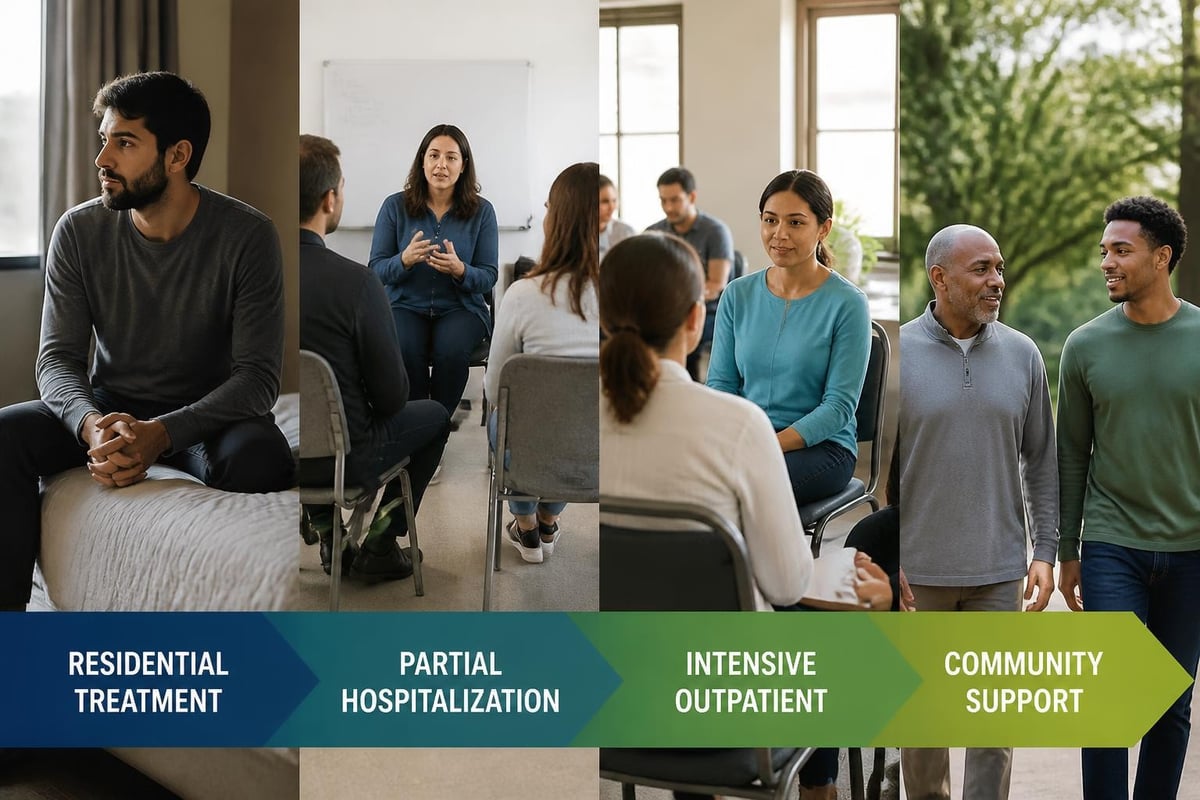
Mental rehabilitation centers offer various program structures to meet different patient needs:
- Residential Treatment Programs: 24-hour care in a structured living environment
- Partial Hospitalization Programs (PHP): Intensive daytime treatment with evening home stays
- Intensive Outpatient Programs (IOP): Flexible scheduling for those maintaining work or school commitments
- Transitional Living Programs: Supported housing with decreasing supervision as independence grows
Each program type serves a specific purpose in the continuum of care, allowing providers to match treatment intensity with individual needs and recovery stages.
Core Services in Mental Rehabilitation Facilities
Mental rehabilitation centers deliver an integrated array of therapeutic services designed to address the multifaceted nature of mental illness and addiction recovery. The most effective programs recognize that recovery requires more than symptom management; it demands comprehensive lifestyle changes and skill development.
Psychiatric Care and Medication Management
Board-certified psychiatrists conduct thorough diagnostic assessments and develop individualized medication regimens. Regular monitoring ensures medications remain effective while minimizing side effects. This medical oversight is particularly crucial for patients with conditions like bipolar disorder, schizophrenia, or major depressive disorder.
Psychiatric nurses provide daily medication administration, vital sign monitoring, and immediate response to medical concerns. This continuous medical presence creates a safety net that allows patients to focus on recovery without fear of medical complications.
Evidence-Based Psychotherapy
Individual therapy sessions form the foundation of treatment in mental rehabilitation centers. Licensed therapists utilize proven modalities including:
- Cognitive Behavioral Therapy (CBT) to identify and modify harmful thought patterns
- Dialectical Behavior Therapy (DBT) for emotion regulation and distress tolerance
- Trauma-Focused Therapy to process and heal from past traumatic experiences
- Motivational Interviewing to strengthen personal commitment to change
- Family Systems Therapy to repair relationships and improve communication
Group therapy complements individual work by providing peer support, reducing isolation, and creating opportunities to practice new interpersonal skills in a supervised setting.
| Therapy Type | Primary Focus | Typical Frequency | Best For |
|---|---|---|---|
| Individual CBT | Thought patterns and behaviors | 2-3 sessions/week | Depression, anxiety disorders |
| Group DBT | Emotional regulation | 2-4 sessions/week | Borderline personality disorder |
| Family Therapy | Relationship dynamics | 1-2 sessions/week | All conditions affecting families |
| Trauma Processing | PTSD and past trauma | 1-2 sessions/week | Trauma-related conditions |
Psychiatric Rehabilitation Services
The Pennsylvania Department of Human Services emphasizes the importance of person-centered psychiatric rehabilitation that helps individuals develop practical skills for daily living. These services focus on:
- Activities of Daily Living (ADL) Training: Personal hygiene, nutrition, household management
- Social Skills Development: Communication, conflict resolution, boundary setting
- Vocational Rehabilitation: Job skills training, resume building, interview preparation
- Financial Management: Budgeting, banking, bill payment skills
- Community Integration: Navigation of public transportation, accessing community resources
These practical competencies are essential for successful community reintegration and long-term independence.
Specialized Programs for Dual Diagnosis
Mental rehabilitation centers increasingly recognize the interconnection between mental health disorders and substance use conditions. Dual diagnosis programs treat both conditions simultaneously rather than sequentially, acknowledging that each condition influences the other.
The integrated approach addresses the unique challenges that arise when mental illness and addiction co-occur. For individuals seeking comprehensive support for both conditions, Addiction Helper provides specialized rehab programs across South Africa that address various types of substance addictions alongside mental health concerns, offering the coordinated care essential for dual diagnosis recovery.

Common Co-Occurring Conditions
Research consistently demonstrates high rates of comorbidity between specific mental health and substance use disorders:
- Depression and alcohol use disorder
- Anxiety disorders and benzodiazepine dependence
- Bipolar disorder and stimulant abuse
- PTSD and multiple substance dependencies
- Schizophrenia and cannabis use disorder
Treatment protocols must account for how substances may mask, worsen, or trigger mental health symptoms while simultaneously addressing the underlying psychiatric condition.
The Therapeutic Environment
The physical and social environment in mental rehabilitation centers significantly impacts treatment outcomes. These facilities are designed to feel less institutional and more homelike, reducing stress and promoting healing.
Structured Daily Schedules
Consistency and routine provide stability for individuals whose lives may have been chaotic due to mental illness or addiction. A typical day includes:
- Morning wellness check and medication
- Breakfast and personal care time
- Individual therapy session
- Group therapy or psychoeducation class
- Lunch and recreational activity
- Skills training workshop
- Afternoon group session or holistic therapy
- Dinner and evening relaxation activities
- Evening reflection and preparation for sleep
This structure helps patients develop healthy routines they can maintain after discharge.
Holistic and Complementary Therapies
Modern mental rehabilitation centers incorporate evidence-informed complementary therapies alongside traditional psychiatric treatment:
- Mindfulness and Meditation: Stress reduction and present-moment awareness
- Yoga and Movement Therapy: Mind-body connection and physical wellness
- Art and Music Therapy: Creative expression and emotional processing
- Nutritional Counseling: Brain health through proper nutrition
- Exercise Programs: Physical fitness and natural mood enhancement
These modalities address the whole person, recognizing that mental health is interconnected with physical, emotional, and spiritual wellbeing.
Choosing the Right Mental Rehabilitation Center
Selecting an appropriate facility requires careful consideration of multiple factors. The American Residential Treatment Association provides guidance on evaluating treatment programs and understanding different facility types.
Accreditation and Licensing
Verify that any mental rehabilitation center maintains proper state licensing and accreditation from recognized bodies. Accreditation ensures facilities meet established standards for:
- Staff qualifications and training
- Treatment protocols and evidence-based practices
- Safety and emergency procedures
- Patient rights and ethical treatment
- Quality improvement initiatives
The Indiana Division of Mental Health and Addiction outlines quality assurance standards that reflect industry best practices for mental health services.
Treatment Philosophy and Approach
Different facilities embrace varying treatment philosophies. Consider whether a center's approach aligns with personal values and recovery goals:
| Treatment Model | Core Philosophy | Typical Features |
|---|---|---|
| Medical Model | Illness-based, symptom reduction | Medication focus, physician-led |
| Recovery Model | Wellness-based, personal growth | Peer support, skill building |
| Harm Reduction | Pragmatic, incremental change | Non-judgmental, client-directed |
| 12-Step Integration | Spiritual foundation, fellowship | AA/NA meetings, sponsor system |
Many modern facilities integrate elements from multiple models to provide comprehensive, individualized care.
Specialized Services for Specific Populations
Some mental rehabilitation centers offer specialized programs for particular demographics or conditions:
- Adolescent and young adult programs
- Gender-specific treatment tracks
- LGBTQ+-affirming environments
- Veterans' programs (like those described by the U.S. Department of Veterans Affairs)
- Geriatric mental health services
- Culturally specific programs
Specialized programs can significantly enhance treatment effectiveness by addressing unique needs and creating appropriate peer groups.

The Role of Family in Mental Rehabilitation
Family involvement strengthens treatment outcomes and supports long-term recovery. Mental rehabilitation centers increasingly recognize that mental illness affects entire family systems, not just individual patients.
Family Education Programs
Educational workshops help family members understand:
- The biological and psychological aspects of mental illness
- How to recognize warning signs of relapse
- Effective communication strategies
- Boundary setting and self-care
- Available community resources and support networks
Knowledge reduces stigma, improves family dynamics, and creates a more supportive home environment for successful reintegration.
Family Therapy and Counseling
Dedicated family therapy sessions address relationship dynamics, past conflicts, and communication patterns that may have contributed to or resulted from mental illness. These sessions create opportunities for healing, forgiveness, and rebuilding trust.
Therapists also work with families to develop discharge plans and establish support systems that will remain active after formal treatment ends.
Insurance Coverage and Financial Considerations
Understanding payment options for mental rehabilitation centers helps families make informed decisions without financial barriers preventing necessary treatment.
Insurance and Mental Health Parity
Mental health parity laws require insurance plans to cover mental health and substance use disorder treatment at levels comparable to physical health coverage. However, specific benefits vary by plan, making verification essential.
Key questions to ask insurance providers include:
- What level of care does the plan cover (residential, PHP, IOP)?
- How many days of treatment are authorized?
- What is the co-payment or coinsurance percentage?
- Does the facility have in-network status?
- What documentation is required for prior authorization?
Payment Alternatives
For those without adequate insurance coverage, alternatives include:
- Sliding scale fees based on income
- Payment plans allowing installment payments
- State-funded programs for eligible residents
- Non-profit facilities with scholarship opportunities
- Employee assistance programs (EAPs) through employers
Using resources like FindTreatment.gov can help locate facilities that offer various payment options and accept different insurance types.
Aftercare and Continuing Support
Successful rehabilitation extends beyond facility discharge. Comprehensive aftercare planning is essential for maintaining progress and preventing relapse.
Transition Planning
Effective mental rehabilitation centers begin discharge planning on admission day. This forward-thinking approach ensures smooth transitions by:
- Identifying appropriate outpatient providers before discharge
- Scheduling first appointments within one week of leaving
- Ensuring medication continuity with prescriptions and refills
- Connecting patients with community support groups
- Establishing crisis response plans for high-risk periods
Long-Term Recovery Support
According to the Psychiatric Rehabilitation Association, evidence-based recovery practices emphasize ongoing support through:
- Regular outpatient therapy to maintain treatment gains
- Psychiatric medication management appointments
- Peer support groups and recovery communities
- Case management services for complex needs
- Vocational rehabilitation and employment support
- Supported housing programs when needed
The Psychiatric Rehabilitation Journal publishes research demonstrating that individuals with consistent aftercare support achieve significantly better long-term outcomes than those who discontinue services after residential treatment.
Evidence-Based Outcomes and Success Rates
Measuring treatment effectiveness helps patients and families make informed decisions about mental rehabilitation centers. While individual results vary, research demonstrates clear benefits of comprehensive psychiatric rehabilitation.
Metrics of Success
Mental rehabilitation centers track various outcomes to evaluate program effectiveness:
| Outcome Measure | Definition | Industry Benchmark |
|---|---|---|
| Symptom Reduction | Decreased severity of psychiatric symptoms | 60-70% improvement |
| Hospitalization Rates | Reduction in psychiatric emergencies | 40-50% decrease |
| Medication Adherence | Consistent proper medication use | 75-85% compliance |
| Community Integration | Successful return to work/school | 50-60% achievement |
| Relapse Prevention | Sustained recovery without return to acute care | 60-70% at 1 year |
These benchmarks provide general guidance, though individual programs may achieve different results based on patient population and treatment approach.
Research Supporting Psychiatric Rehabilitation
Academic research consistently validates the psychiatric rehabilitation approach. Studies published in peer-reviewed journals demonstrate that comprehensive treatment addressing medical, psychological, and social factors produces superior outcomes compared to medication-only approaches or brief interventions.
The Clubhouse Model, exemplified by centers like the Independence Center in St. Louis, shows particular promise for individuals with serious mental illnesses, emphasizing community, meaningful work, and social relationships as core components of recovery.
Regulatory Oversight and Patient Rights
Mental rehabilitation centers operate under strict regulatory frameworks designed to protect patient welfare and ensure quality care.
Patient Rights in Treatment
All individuals receiving treatment in mental rehabilitation centers maintain fundamental rights including:
- Informed consent for all treatments and procedures
- Confidentiality and privacy protections under HIPAA
- Dignity and respectful treatment regardless of condition
- Right to refuse treatment (within legal parameters)
- Access to personal belongings and communication with family
- Freedom from restraint or seclusion except in emergencies
- Right to file grievances without retaliation
Understanding these rights empowers patients to advocate for themselves and ensures ethical treatment practices.
Monitoring and Quality Assurance
State licensing agencies conduct regular inspections of mental rehabilitation centers, reviewing:
- Staff credentials and background checks
- Treatment documentation and care plans
- Medication storage and administration procedures
- Safety protocols and emergency preparedness
- Patient grievance processes and resolutions
- Infection control and sanitation standards
These oversight mechanisms protect vulnerable populations and maintain industry standards across all licensed facilities.
Mental rehabilitation centers provide essential, life-changing services for individuals struggling with serious mental health conditions and co-occurring substance use disorders. The comprehensive, evidence-based treatment approaches offered in these facilities address the complex interplay of biological, psychological, and social factors that influence mental health and recovery.
If you or a loved one needs support for addiction and mental health challenges, Addiction Helper offers comprehensive services including mental health treatment, health assessments, family interventions, and specialized addiction counseling across South Africa. Our integrated approach to addiction and mental health recovery provides the coordinated care necessary for lasting transformation. Reach out today to begin your journey toward wellness and reclaim your life.