
CONTACT US TODAY!
069 395 0750
Simply enter your details below and our specialist will call you back in a few minutes.
Contact Us Today!
Addiction
What is addiction
Addiction is a chronic, relapsing brain disease characterized by the compulsive seeking and use of a substance or behavior despite harmful consequences. It is not a matter of a person lacking willpower or having poor morals; rather, repeated use or engagement with the addictive substance or activity creates lasting changes in the brain's circuitry
more on addiction
Addiction is when you have a need or urge to do something or use something, even if it causes harm. Types of addiction include substance addiction (such as alcohol, smoking or drugs) and non-substance addiction (such as gambling or shopping).
3 types of addiction
Physical addictions can generally be grouped into three categories: alcohol, illicit drugs, and prescription drugs. Alcohol addiction is arguably among the most common. It manifests in the form of alcohol dependency, binge drinking, or regular heavy drinking.
Addiction
Addiction is a chronic condition that can affect many aspects of your life, including your physical and mental health, relationships and career. There are two main forms of addiction: substance use disorders and behavioral addictions. Addiction is treatable. It’s crucial to seek help as soon as possible.
What is addiction?
Addiction is a chronic (lifelong) condition that involves compulsive seeking and taking of a substance or performing of an activity despite negative or harmful consequences.
Addiction can significantly impact your health, relationships and overall quality of life. It’s crucial to seek help as soon as you develop signs of addiction.
Is addiction a disease?
Yes, addiction is a disease — it’s a chronic condition. The American Society of Addiction Medicine (ASAM) defines addiction as a chronic brain disorder. Addiction doesn’t happen from having a lack of willpower or as a result of making bad decisions. Your brain chemistry changes with addiction.
What are the types of addiction?
There are two main groups of addiction:
- Substance addictions (substance use disorders).
- Non-substance addictions (behavioral addictions).
What is the most common addiction?
Alcohol use disorder is the most common substance addiction in the United States, followed by nicotine and marijuana. About 10% of people aged 12 or older in the U.S. have alcohol use disorder.
Symptoms and Causes
What are the signs of addiction?
Symptoms of addiction vary from person to person and based on the substance or activity. In general, signs include:
- Inability to stop: People may use a substance or engage in harmful addictive behavior even if they want to stop. They may have tried multiple times to reduce the substance use or behavior but can’t. They may also lie to their loved ones about it or try to hide it.
- Increased tolerance: Over time, they may need more of the substance or activity to feel the same euphoric effects as they did before.
- Intense focus on the substance or activity: People with addictions become pathologically preoccupied with the substance or activity. They may feel that the addiction has taken over their lives, as they spend more and more time craving, obtaining and thinking of the subject of the addiction.
- Lack of control: They may feel like they’ve lost complete control over their substance use or activity and often feel helpless. They may often feel guilty, depressed and/or overwhelmed by their addiction and how much it’s impacted their lives.
- Personal problems and health issues: Addiction impacts all aspects of their lives, including their physical health, mental health, personal relationships and career. They may have issues fulfilling responsibilities at work, school or home due to substance use or the activity. Again, despite knowing the detrimental effects their addictions are having on them, they can’t stop.
- Withdrawal: People with addiction may experience emotional and physical withdrawal symptoms when they stop using. Physical symptoms include shaking, sweating or vomiting. They may also become anxious or irritable.
Alcohol addiction is also referred to as “behavioural addiction” as people who abuse alcohol seek fulfilment or stress relief in alcohol. Developing an addiction...
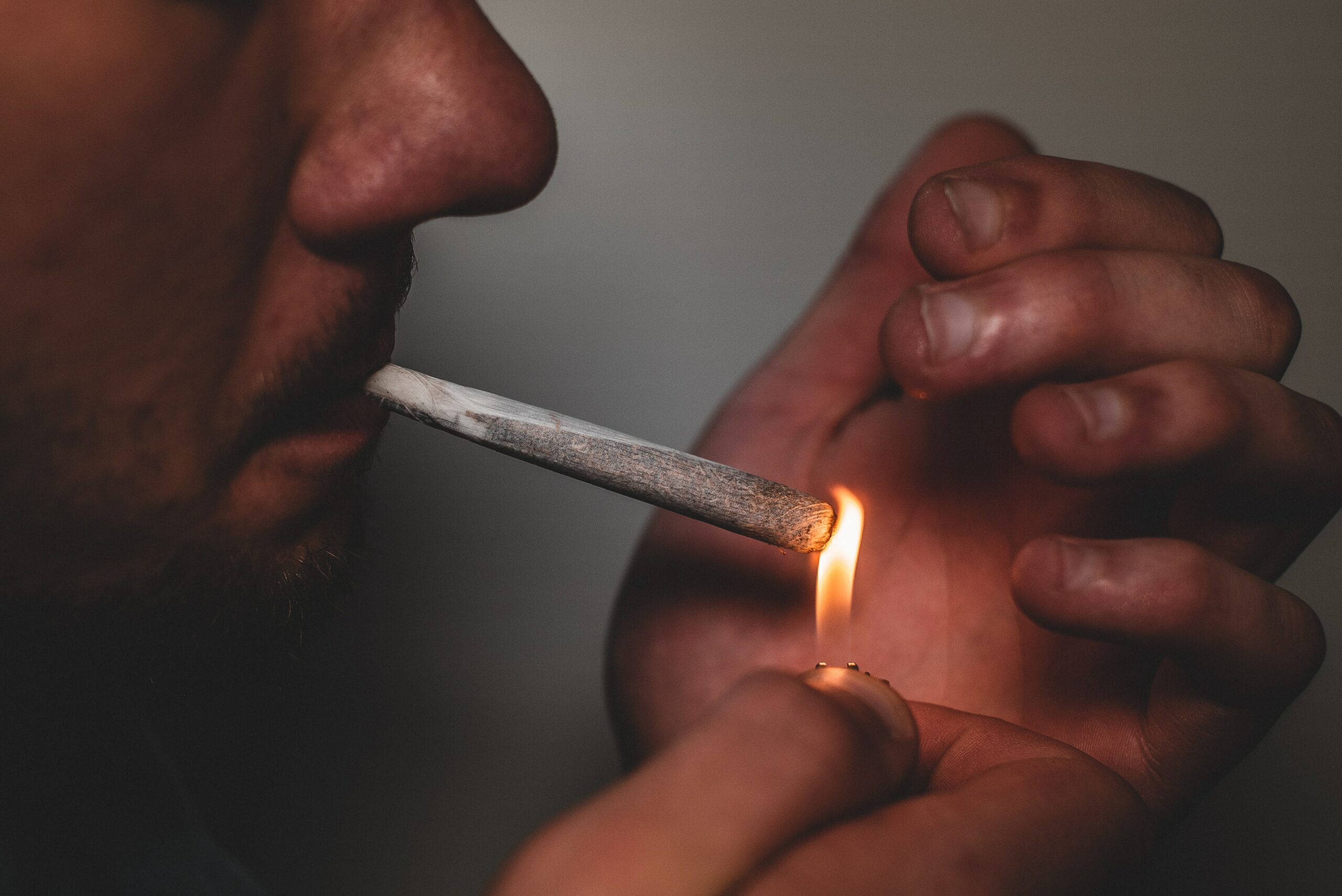
GET HELP TODAY!Drug addiction in South Africa increases as poverty in the country abounds. The latest statistics show that at least 15% of South Africans battle with...
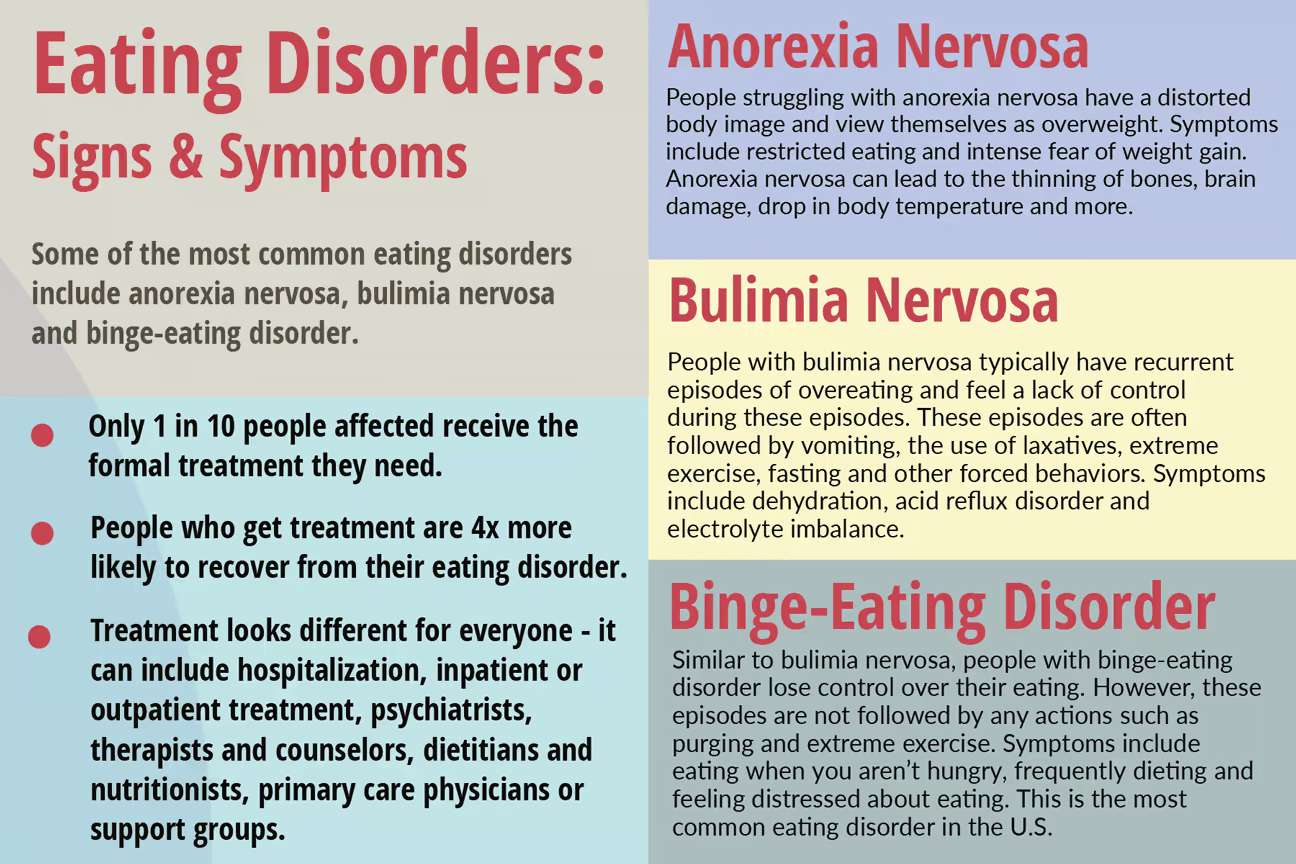
GET HELP TODAY!Eating Disorders are serious mental health conditions that involve unhealthy relationships with food, eating habits, body image, and weight. They affect people of all genders,...
GET HELP TODAY!The term “process addiction” refers to the strong impulse to engage in a specific behaviour, despite any detrimental consequences to one’s wellbeing that might be...
GET HELP TODAY!Understanding Addiction
Addiction is when you have a need or urge to do something or use something, even if it causes harm. Types of addiction include substance addiction (such as alcohol, smoking or drugs) and non-substance addiction (such as gambling or shopping).