Skip to content
  • Skip to main content

Addiction Helper - Rehab Now

Because Recovery Starts with the Right Help!

  • Home
  • About Us
  • Services
    • Mental Health Service
      • Health Assessment
      • Family Intervention
      • Case Management
      • Psychologists in Cape Town
      • Psychiatrists in Cape Town
      • Sober Companion
      • Sober Transport
  • Addiction
    • Alcohol Addiction
    • Drug Addiction
    • Process Addiction
    • Gambling Addiction
    • Eating Disorders
      • Anorexia Nervosa
      • Bulimia Nervosa
      • Binge Eating Disorder (BED)
      • Avoidant/Restrictive Food Intake Disorder (ARFID)
      • Other Specified Feeding or Eating Disorder (OSFED)
  • South Africa Rehab
    • South Africa Alcohol Rehab
      • Eastern Cape Alcohol Rehab
      • Western Cape Alcohol Rehab
      • Gauteng Alcohol Rehab
      • Limpopo Alcohol Rehab
      • Kwazulu Natal Alcohol Rehab
      • Northern Cape Alcohol Rehab
      • Mpumalanga Alcohol Rehab
    • South Africa Cannabis Rehab
      • Eastern Cape Cannabis Rehab
      • Western Cape Cannabis Rehab
      • Gauteng Cannabis Rehab
      • Limpopo Cannabis Rehab
      • Kwazulu Natal Cannabis Rehab
      • Northern Cape Cannabis Rehab
      • Mpumalanga Cannabis Rehab
    • South Africa Cat Rehab
      • Eastern Cape Cat Rehab
      • Western Cape Cat Rehab
      • Gauteng Cat Rehab
      • Limpopo Cat Rehab
      • Kwazulu Natal Cat Rehab
      • Northern Cape Cat Rehab
      • Mpumalanga Cat Rehab
    • South Africa Cocaine Rehab
      • Eastern Cape Cocaine Rehab
      • Western Cape Cocaine Rehab
      • Gauteng Cocaine Rehab
      • Limpopo Cocaine Rehab
      • Kwazulu Natal Cocaine Rehab
      • Northern Cape Cocaine Rehab
      • Mpumalanga Cocaine Rehab
    • South Africa Crack Rehab
      • Eastern Cape Crack Rehab
      • Western Cape Crack Rehab
      • Gauteng Crack Rehab
      • Limpopo Crack Rehab
      • Kwazulu Natal Crack Rehab
      • Northern Cape Crack Rehab
      • Mpumalanga Crack Rehab
    • South Africa Crystal Meth Rehab
      • Eastern Cape Crystal Meth Rehab
      • Western Cape Crystal Meth Rehab
      • Gauteng Crystal Meth Rehab
      • Limpopo Crystal Meth Rehab
      • Kwazulu Natal Crystal Meth Rehab
      • Northern Cape Crystal Meth Rehab
      • Mpumalanga Crystal Meth Rehab
    • South African Heroine Rehab
      • Eastern Cape Heroin Rehab
      • Western Cape Heroin Rehab
      • Gauteng Heroin Rehab
      • Limpopo Heroin Rehab
      • Kwazulu Natal Heroin Rehab
      • Northern Cape Heroin Rehab
      • Mpumalanga Heroin Rehab
    • South Africa Madrax Rehab
      • Eastern Cape Madrax Rehab
      • Western Cape Mandrax Rehab
      • Gauteng Mandrax Rehab
      • Limpopo Mandrax Rehab
      • Kwazulu Natal Mandrax Rehab
      • Northern Cape Mandrax Rehab
      • Mpumalanga Mandrax Rehab
    • Cape Town Drug and Alcohol Rehab
      • Cape Flats Drug and Alcohol Rehab
        • Strandfontein Drug & Alcohol Rehab
        • Nyanga Drug & Alcohol Rehab
        • Athlone Drug & Alcohol Rehab
        • Mitchells Plain Drug & Alcohol Rehab
        • bonteheuwel Drug & Alcohol Rehab
        • Khayelitsha Drug & Alcohol Rehab
        • Handover Park Drug & Alcohol Rehab
        • Manenberg Drug & Alcohol Rehab
        • Gugulethu Drug & Alcohol Rehab
        • Heideveld Drug & Alcohol Rehab
        • Langa Drug & Alcohol Rehab
      • Northern Suburbs Drug and Alcohol Rehab
        • Kuilsriver Drug & Alcohol Rehab
        • Brackenfell Drug & Alcohol Rehab
        • Goodwood Drug & Alcohol Rehab
        • Kraaifontein Drug & Alcohol Rehab
        • Bellville Drug & Alcohol Rehab
      • Southern Suburbs Drug and Alcohol Rehab
        • Observatory Drug & Alcohol Rehab
        • Grassy Park Drug & Alcohol Rehab
        • Wynberg Drug & Alcohol Rehab
        • Pinelands Drug & Alcohol Rehab
        • Rosebank Drug & Alcohol Rehab
        • Rondebosch Drug & Alcohol Rehab
        • Ottery Drug & Alcohol Rehab
        • Lansdown Drug & Alcohol Rehab
        • Claremont Drug & Alcohol Rehab
        • Mowbray Drug & Alcohol Rehab
      • City Center Drug and Alcohol Rehab
        • Walmer Estate Drug & Alcohol Rehab
        • Woodstock Drug & Alcohol Rehab
        • Distric Six Drug & Alcohol Rehab
      • Greenpoint Drug & Alcohol Rehab
      • Seapoint Drug & Alcohol Rehab
      • Camps Bay Drug & Alcohol Rehab
      • Clifton Drug & Alcohol Rehab
      • Hout Bay Drug & Alcohol Rehab
    • Johannesburg Drug and Alcohol Rehab
      • Randburg Drug & Alcohol Rehab
      • Midrand Drug & Alcohol Rehab
      • Bedfordview Drug & Alcohol Rehab
      • Benoni Drug & Alcohol Rehab
      • Boksburg Drug & Alcohol Rehab
      • Kempton Park Drug & Alcohol Rehab
      • Center in Johannesburg Drug & Alcohol Rehab
      • Center in Alberton Drug & Alcohol Rehab
    • Durban Drug and Alcohol Rehab
      • Newlands East Drug & Alcohol Rehab
      • Newlands West Drug & Alcohol Rehab
      • Montclair Drug & Alcohol Rehab
      • Chatsworth Central Drug & Alcohol Rehab
      • Avoca Drug & Alcohol Rehab
      • North Beach Drug & Alcohol Rehab
      • Resevoir Hills Drug & Alcohol Rehab
      • Yellowwood Park Drug & Alcohol Rehab
      • Bluff Drug & Alcohol Rehab
      • Musgrave Drug & Alcohol Rehab
    • Eastern Cape Drug and Alcohol Rehab
      • Summerstrand Drug & Alcohol Rehab
      • Queenspark Drug & Alcohol Rehab
      • Lorraine Drug & Alcohol Rehab
      • East London Drug & Alcohol Rehab
      • Lovemore Heights Drug & Alcohol Rehab
      • Mill Park Drug & Alcohol Rehab
      • Port Elizabeth Drug & Alcohol Rehab
      • Humewood Drug & Alcohol Rehab
      • Jeffreys Bay Drug & Alcohol Rehab
      • Walmer Drug & Alcohol Rehab
      • Bluewater Bay Drug & Alcohol Rehab
  • Medical Aid Rehab
    • Discovery Medical Aid Rehab
    • Gems Medical Aid Rehab
    • Bonitas Medical Aid Rehab
    • Polmed Medical Aid Rehab
    • Momentum Medical Aid Rehab
  • Adolescent Rehab
    • Adolescent Rehab Cape Town
    • Adolescent Rehab Houtbay
    • Adolescent Rehab Clifton
      • Adolescent Rehab Seapoint
    • Adolescent Rehab Camps Bay
    • Adolescent Rehab Greenpoint
  • Contact Us
  • Facebook

Uncategorized

Alcohol Help: Finding the Right Support for Recovery

8 August 2026

Seeking alcohol help represents one of the most important decisions a person can make for their health and well-being. Whether you're concerned about your own drinking patterns or worried about a loved one, understanding the available resources and treatment approaches can make the difference between continued struggle and successful recovery. The landscape of alcohol help has evolved significantly in recent years, offering multiple pathways to sobriety tailored to individual needs, circumstances, and severity of dependence.

Understanding When Professional Alcohol Help Is Needed

Recognizing the signs that professional intervention is necessary can be challenging, especially when denial or minimization is part of the problem. Many people question whether their drinking has reached a level requiring formal treatment or if they can manage reduction on their own.

Several indicators suggest it's time to seek alcohol help:

  • Inability to control the amount consumed once drinking starts
  • Continued drinking despite negative consequences in relationships, work, or health
  • Experiencing withdrawal symptoms when not drinking
  • Needing increasing amounts to achieve the same effects
  • Spending significant time obtaining, using, or recovering from alcohol

Statistics from the National Institute on Alcohol Abuse and Alcoholism reveal that millions of individuals struggle with alcohol use disorder annually, yet only a fraction receive treatment. This gap between need and action often stems from stigma, lack of awareness about available resources, or uncertainty about what type of help would be most effective.

The Medical Assessment Process

Professional alcohol help typically begins with a comprehensive medical and psychological assessment. Healthcare providers evaluate drinking history, physical health status, mental health conditions, and social circumstances to determine the most appropriate level of care.

This assessment considers several critical factors:

  1. Severity of dependence: Mild, moderate, or severe classification
  2. Physical health complications: Liver function, cardiovascular health, neurological status
  3. Co-occurring mental health conditions: Depression, anxiety, trauma-related disorders
  4. Social support system: Family involvement, living situation, employment stability
  5. Previous treatment history: What has been tried before and outcomes achieved

Medical assessment for alcohol dependence

Types of Professional Alcohol Help Available

The spectrum of alcohol help services ranges from outpatient counseling to intensive residential programs. Matching the right level of care to individual needs maximizes the likelihood of sustained recovery.

Medical Detoxification Services

For individuals with significant physical dependence, medically supervised detoxification provides the safest path to initial sobriety. Withdrawal from alcohol can produce serious complications, including seizures and delirium tremens, making professional oversight essential.

Medical detox typically involves:

  • 24-hour medical monitoring and support
  • Medications to manage withdrawal symptoms safely
  • Nutritional support and hydration management
  • Preparation for ongoing treatment after stabilization

Rehabilitation Programs

Rehabilitation programs offer structured environments focused on developing skills and strategies for long-term sobriety. Addiction Helper provides specialized alcohol rehab programs designed to address the physical, psychological, and social dimensions of recovery through evidence-based treatment approaches.

Program Type Duration Intensity Best For
Inpatient Residential 28-90 days High Severe dependence, unstable living situation
Partial Hospitalization 2-4 weeks Medium-High Moderate to severe, supportive home environment
Intensive Outpatient 8-12 weeks Medium Mild to moderate, stable support system
Standard Outpatient 3-6 months Low-Medium Mild dependence, strong motivation

Individual and Group Therapy

Therapeutic interventions form the foundation of most alcohol help programs. Individual therapy allows exploration of underlying issues contributing to drinking patterns, while group therapy provides peer support and accountability.

Common therapeutic approaches include:

  • Cognitive Behavioral Therapy (CBT): Identifying and changing thought patterns that lead to drinking
  • Motivational Enhancement Therapy: Strengthening personal motivation for change
  • Dialectical Behavior Therapy (DBT): Managing emotions and stress without alcohol
  • Family Systems Therapy: Healing relationships and building supportive dynamics

Support Groups and Peer Recovery Networks

Beyond formal treatment, mutual support groups provide ongoing alcohol help throughout the recovery journey. These groups offer fellowship, shared experiences, and accountability without the clinical setting.

Twelve-Step Programs

Alcoholics Anonymous (AA) and similar twelve-step programs have helped millions achieve and maintain sobriety since 1935. The program's spiritual foundation and peer support model create a framework for personal transformation.

Key components include:

  • Regular meeting attendance with others in recovery
  • Working through twelve steps with a sponsor
  • Making amends for past harms
  • Helping others who struggle with alcohol

Alternative Support Groups

Not everyone connects with the twelve-step approach, leading to development of alternative support networks that offer different philosophical frameworks.

SMART Recovery emphasizes self-empowerment and evidence-based techniques, while Refuge Recovery and Dharma Recovery incorporate Buddhist principles. Women for Sobriety focuses specifically on women's unique recovery needs, and LifeRing Secular Recovery provides non-spiritual support.

Support group networks

Medication-Assisted Treatment Options

Advances in addiction medicine have produced FDA-approved medications that support recovery by reducing cravings, blocking pleasurable effects, or causing negative reactions to alcohol consumption. According to research on alcohol treatment approaches, medication-assisted treatment significantly improves outcomes when combined with counseling.

Available Medications

Three primary medications have proven effectiveness:

  1. Naltrexone: Blocks opioid receptors, reducing alcohol's rewarding effects and decreasing cravings
  2. Acamprosate: Helps restore brain chemistry balance, reducing post-acute withdrawal symptoms
  3. Disulfiram: Creates unpleasant reactions when alcohol is consumed, providing a deterrent

Healthcare providers determine appropriate medication based on individual health status, drinking patterns, and treatment goals. These medications work best when combined with counseling and behavioral interventions rather than as standalone solutions.

Family Involvement in Alcohol Help

Family members play crucial roles in both contributing to the problem and supporting recovery. Many treatment programs incorporate family therapy and education to address relationship dynamics and build healthier patterns.

Intervention Services

Professional interventions help families effectively communicate concerns and encourage treatment acceptance. Structured interventions prepare family members to present specific examples of alcohol-related problems and predetermined consequences while maintaining compassion and respect.

Support for Family Members

Family members often need their own alcohol help resources to heal from the impact of living with someone struggling with addiction. Al-Anon and similar groups provide support specifically for loved ones, helping them set boundaries, manage enabling behaviors, and care for their own well-being.

Digital and Telehealth Alcohol Help Resources

Technology has expanded access to alcohol help, particularly for individuals in remote areas or with scheduling constraints that make traditional treatment difficult.

Online Therapy Platforms

Telehealth services now offer:

  • Video counseling sessions with licensed therapists
  • Smartphone apps for tracking sobriety and triggers
  • Text-based support and check-ins
  • Virtual support group meetings
  • Online educational resources and skills training

Digital Tools for Recovery

Recovery-focused apps provide daily motivation, sobriety counters, craving management techniques, and connection to online communities. While these tools don't replace professional treatment for serious dependence, they offer valuable supplemental support.

Recent trends show changing attitudes toward alcohol consumption across demographics, with many people reassessing their relationship with drinking due to health concerns and increased awareness of alcohol's risks.

Recovery support tools

Creating a Personalized Recovery Plan

Effective alcohol help requires individualized approaches rather than one-size-fits-all solutions. A comprehensive recovery plan addresses multiple dimensions of wellness and adapts as needs change throughout the recovery journey.

Components of a Strong Recovery Plan

Medical Care: Regular check-ups, medication management if applicable, treatment of co-occurring health conditions

Therapeutic Support: Individual counseling frequency, group therapy participation, family sessions as needed

Peer Support: Meeting schedule, sponsor relationship, recovery community involvement

Lifestyle Changes: Exercise routines, nutrition improvements, sleep hygiene, stress management practices

Relapse Prevention: Trigger identification, coping strategy development, early warning sign recognition

Social Reconstruction: Relationship repair, new sober social networks, meaningful activities and purpose

Monitoring Progress and Adjusting Approaches

Recovery isn't linear, and effective alcohol help includes regular assessment of what's working and what needs modification. Treatment providers typically schedule periodic reviews to evaluate progress, address challenges, and refine strategies.

The Reality of Treatment Success Rates

Understanding realistic expectations helps maintain motivation during challenging periods. Data on alcohol use disorder demographics shows varying recovery rates across different populations and treatment types.

Research indicates that:

  • Approximately 36% of individuals achieve one year of sobriety after treatment
  • Those who remain abstinent for one year have over 50% likelihood of maintaining long-term sobriety
  • Multiple treatment episodes are common and don't represent failure
  • Longer treatment duration correlates with better outcomes
  • Continuing care and ongoing support significantly improve success rates

These statistics emphasize that recovery often requires sustained effort and multiple forms of alcohol help over time rather than a single intervention producing permanent change.

Overcoming Barriers to Seeking Alcohol Help

Despite the availability of resources, many individuals delay or avoid seeking alcohol help due to various obstacles. Addressing these barriers increases the likelihood of taking that crucial first step.

Common Obstacles

Stigma and Shame: Fear of judgment from family, friends, or employers keeps many suffering in silence. The growing movement of people reconsidering their alcohol use may help normalize conversations about drinking problems and reduce stigma.

Financial Concerns: Treatment costs create legitimate barriers, though many insurance plans now cover addiction services at parity with other medical conditions. Free and low-cost options exist through community health centers and nonprofit organizations.

Logistical Challenges: Work schedules, childcare responsibilities, and transportation limitations can make attending treatment difficult. Flexible outpatient schedules and telehealth options help address these practical concerns.

Denial and Ambivalence: Uncertainty about whether the problem is serious enough or readiness to change drinking patterns often delays action. Motivational interviewing techniques help resolve ambivalence and build commitment to change.

Building Long-Term Recovery Skills

Sustainable recovery requires developing new coping mechanisms to replace the role alcohol played in managing emotions, stress, or social situations. Effective alcohol help programs teach practical skills for navigating life's challenges without substances.

Essential Recovery Skills

Skill Category Specific Techniques Purpose
Emotional Regulation Mindfulness, breathing exercises, progressive relaxation Managing difficult feelings without drinking
Stress Management Time management, problem-solving, assertiveness training Reducing overwhelm and pressure
Social Skills Refusing offers, explaining sobriety, finding sober activities Navigating social situations confidently
Cognitive Restructuring Identifying distortions, challenging beliefs, reframing Changing thought patterns that trigger drinking
Healthy Lifestyle Exercise, nutrition, sleep hygiene, leisure activities Supporting overall physical and mental health

These skills require practice and refinement over time, with ongoing alcohol help providing opportunities to strengthen capabilities and address difficulties as they arise.

The Role of Accountability in Recovery

Accountability structures help maintain focus and commitment during periods when motivation naturally fluctuates. Multiple layers of accountability create a safety net supporting continued sobriety.

Effective accountability includes:

  • Regular check-ins with counselors, sponsors, or coaches
  • Attending scheduled therapy sessions and support group meetings
  • Urine or breathalyzer testing in some programs
  • Sharing progress and challenges with trusted supporters
  • Tracking sobriety milestones and celebrating achievements

Some individuals benefit from formal recovery monitoring programs, particularly professionals whose careers may be affected by alcohol problems. These structured approaches combine treatment with regular testing and reporting to maintain both recovery and professional standing.


Finding the right alcohol help involves understanding available options, assessing individual needs, and committing to the recovery process. Whether through medical treatment, counseling, support groups, or comprehensive rehabilitation programs, effective help exists for every level of alcohol dependence. Addiction Helper offers specialized programs throughout South Africa designed to address the unique challenges of alcohol recovery through evidence-based treatment, compassionate support, and personalized care plans that create pathways to lasting sobriety.


SHARE THIS:

Filed Under: Uncategorized

Rehab and Mental Health Facilities: A Complete Guide

7 August 2026

The landscape of addiction treatment has evolved significantly in recent years, with a growing recognition that substance use disorders rarely exist in isolation. Modern rehab and mental health facilities now understand that effective recovery requires addressing both addiction and underlying psychological conditions simultaneously. This integrated approach has transformed how treatment centers design their programs, staff their teams, and measure success. For individuals seeking help in South Africa and beyond, understanding how these facilities operate and what distinguishes quality care from inadequate treatment can make the difference between lasting recovery and relapse.

The Evolution of Integrated Treatment Centers

Rehab and mental health facilities have undergone a fundamental transformation since the early 2000s. Previously, many treatment centers operated in silos, addressing either addiction or mental health conditions but rarely both simultaneously. This fragmented approach often left patients cycling between different facilities without achieving sustainable recovery.

The shift toward integrated care emerged from compelling research showing that up to 50% of individuals with severe mental health conditions also experience substance use disorders. This co-occurrence, known as dual diagnosis, requires specialized treatment protocols that address both conditions as interconnected rather than separate issues.

The Dual Diagnosis Revolution

Modern facilities now employ multidisciplinary teams that include psychiatrists, addiction specialists, clinical psychologists, and licensed therapists working collaboratively. This team-based approach ensures that medication management, behavioral therapy, and addiction counseling all align toward common treatment goals.

Key components of integrated treatment include:

  • Comprehensive initial assessments evaluating both mental health and substance use history
  • Coordinated treatment plans addressing all diagnosed conditions simultaneously
  • Medication-assisted treatment (MAT) when appropriate for both psychiatric and addiction needs
  • Family therapy sessions that address relationship dynamics affected by both conditions
  • Aftercare planning that connects patients with ongoing mental health and recovery support

The National Institute of Mental Health emphasizes that integrated treatment produces significantly better outcomes than sequential or parallel treatment approaches, with higher retention rates and lower relapse incidents.

Dual diagnosis treatment integration

Types of Rehab and Mental Health Facilities

Understanding the different facility types helps individuals and families make informed decisions about appropriate care levels. Each facility type serves specific needs based on addiction severity, mental health complexity, and individual circumstances.

Residential Treatment Centers

Residential programs provide 24-hour care in a structured environment where patients live on-site for 30 to 90 days or longer. These facilities offer the highest level of non-hospital care and suit individuals with severe addictions, significant mental health challenges, or those who have struggled with outpatient treatment.

The structured daily schedule typically includes individual therapy sessions, group counseling, psychiatric evaluations, medication management, recreational therapy, and skill-building workshops. Many residential centers now incorporate evidence-based practices such as cognitive behavioral therapy (CBT), dialectical behavior therapy (DBT), and trauma-informed care.

Partial Hospitalization Programs (PHP)

Partial hospitalization serves as a step-down from residential care or an intensive option for those who don't require 24-hour supervision. Patients attend treatment for six to eight hours daily, five to seven days weekly, while living at home or in a sober living facility.

Program Type Hours Per Week Living Arrangement Best For
Residential 24/7 supervised On-site housing Severe addiction, high relapse risk, dual diagnosis
PHP 30-40 hours Home or sober living Step-down from residential, need intensive support
IOP 9-20 hours Home Stable housing, employment obligations, lower risk
Outpatient 3-9 hours Home Mild to moderate addiction, strong support system

Intensive Outpatient Programs (IOP)

IOP bridges the gap between intensive treatment and traditional outpatient care. Patients typically attend therapy sessions three to five days weekly for three to four hours per session. This flexibility allows individuals to maintain employment, attend school, or fulfill family responsibilities while receiving substantial therapeutic support.

The American Residential Treatment Association provides detailed guidance on selecting appropriate program levels based on individual assessment criteria including medical stability, relapse potential, and recovery environment quality.

Outpatient Counseling and Support

Standard outpatient treatment offers the greatest flexibility, with patients attending one to three therapy sessions weekly. This level suits individuals with mild to moderate addiction, stable mental health conditions, strong family support, and secure housing situations.

Evidence-Based Treatment Approaches

Rehab and mental health facilities in 2026 increasingly rely on scientifically validated treatment methods that demonstrate measurable outcomes. Understanding these approaches helps patients and families ask informed questions during facility selection.

Medication-Assisted Treatment (MAT)

MAT combines FDA-approved medications with behavioral therapies to treat substance use disorders, particularly opioid and alcohol addiction. Medications such as buprenorphine, naltrexone, and methadone reduce cravings and withdrawal symptoms while allowing patients to focus on psychological recovery.

For mental health conditions, psychiatric medications including antidepressants, mood stabilizers, and anti-anxiety medications help stabilize symptoms that might otherwise trigger substance use. The integration of MAT for both addiction and mental health represents a cornerstone of modern dual diagnosis treatment.

MAT protocols typically include:

  • Medical evaluation and diagnosis by qualified physicians
  • Individualized medication selection based on substance use history and mental health profile
  • Regular monitoring and dosage adjustments
  • Concurrent behavioral therapy to address underlying issues
  • Long-term maintenance planning for sustained recovery

Cognitive Behavioral Therapy (CBT)

CBT helps patients identify and modify destructive thought patterns that contribute to both addiction and mental health symptoms. This structured, goal-oriented approach teaches practical coping skills for managing triggers, stress, and negative emotions without resorting to substance use.

Therapists work with patients to recognize cognitive distortions, challenge irrational beliefs, and develop healthier behavioral responses. CBT has demonstrated effectiveness for treating depression, anxiety disorders, PTSD, and various addictions.

Evidence-based therapy methods

Dialectical Behavior Therapy (DBT)

Originally developed for borderline personality disorder, DBT has proven remarkably effective for individuals with emotional regulation difficulties and self-destructive behaviors including substance abuse. The therapy combines individual counseling with skills training groups focusing on mindfulness, distress tolerance, emotion regulation, and interpersonal effectiveness.

DBT particularly benefits patients who struggle with intense emotions, impulsive behaviors, and relationship conflicts that fuel addiction cycles.

Trauma-Informed Care

Many individuals seeking treatment in rehab and mental health facilities have experienced significant trauma including childhood abuse, domestic violence, military combat, or sexual assault. Unresolved trauma frequently underlies both addiction and mental health conditions such as PTSD, depression, and anxiety disorders.

Trauma-informed care recognizes the widespread impact of trauma and creates treatment environments emphasizing physical and emotional safety. Therapies such as Eye Movement Desensitization and Reprocessing (EMDR) and somatic experiencing help patients process traumatic memories without retraumatization.

Specialized Programs Within Treatment Facilities

Modern rehab and mental health facilities often provide specialized tracks addressing specific populations or addiction types. This specialization allows for more targeted interventions that acknowledge unique challenges and recovery needs.

Gender-Specific Treatment

Women and men often experience different pathways into addiction, face distinct recovery obstacles, and respond to different therapeutic approaches. Gender-specific programs create safe spaces where patients can address issues such as trauma, parenting responsibilities, societal expectations, and gender-related mental health concerns.

Women's programs frequently address:

  • Sexual trauma and domestic violence
  • Body image and eating disorders
  • Pregnancy and parenting concerns
  • Hormonal influences on mood and addiction

Men's programs often focus on:

  • Emotional expression and vulnerability
  • Anger management and aggression
  • Workplace stress and performance pressure
  • Relationship and intimacy challenges

Age-Appropriate Care

Adolescent and young adult programs recognize that developmental stages significantly influence addiction patterns and treatment needs. Teen programs incorporate educational components, family involvement, and peer dynamics while addressing issues like identity formation, academic pressure, and social media influences.

Senior programs address age-related concerns including chronic pain management, retirement transitions, social isolation, and medication interactions that commonly affect older adults.

Co-Occurring Disorder Specialization

While all integrated facilities address dual diagnosis, some specialize in specific mental health and addiction combinations. These might include programs specifically designed for individuals with:

  1. Schizophrenia and substance use disorders
  2. Bipolar disorder with alcohol or drug addiction
  3. Severe anxiety disorders combined with benzodiazepine dependence
  4. PTSD and opioid use disorder
  5. Eating disorders co-occurring with stimulant addiction

The U.S. Department of Veterans Affairs residential rehabilitation programs offer excellent models for specialized dual diagnosis care, particularly for trauma-related conditions.

The Assessment and Admission Process

Entering rehab and mental health facilities begins with comprehensive evaluation to determine appropriate care levels and develop individualized treatment plans. Understanding this process reduces anxiety and helps patients and families prepare effectively.

Initial Contact and Pre-Screening

Most facilities conduct telephone pre-screening to gather basic information about substance use history, mental health symptoms, previous treatment attempts, current medications, and immediate safety concerns. This conversation helps admission specialists determine whether the facility can appropriately serve the individual's needs.

Pre-screening typically covers:

  • Types of substances used and frequency
  • Duration of addiction
  • Previous detoxification or treatment experiences
  • Diagnosed or suspected mental health conditions
  • Medical complications or concerns
  • Insurance coverage and financial considerations

Comprehensive Clinical Assessment

Upon admission, patients undergo thorough evaluation by medical and mental health professionals. This assessment includes physical examination, psychiatric evaluation, substance use history, trauma screening, and psychosocial evaluation.

Assessment Component Purpose Conducted By
Medical examination Identify health complications, withdrawal risks Physician or nurse practitioner
Psychiatric evaluation Diagnose mental health conditions, assess suicide risk Psychiatrist or clinical psychologist
Substance use assessment Detail addiction history, patterns, consequences Addiction counselor or therapist
Psychosocial evaluation Understand family, employment, housing, legal issues Licensed social worker
Trauma screening Identify traumatic experiences requiring specialized care Licensed therapist

Individualized Treatment Planning

Assessment findings inform a personalized treatment plan outlining specific goals, therapeutic interventions, medication protocols, and success metrics. Quality facilities involve patients in this planning process, ensuring treatment aligns with individual values, preferences, and recovery objectives.

Treatment plans remain flexible documents, regularly reviewed and adjusted based on patient progress and emerging needs. This adaptive approach recognizes that recovery rarely follows a perfectly linear path.

Family Involvement and Support Systems

Effective rehab and mental health facilities recognize that addiction and mental illness affect entire family systems, not just individual patients. Family participation in treatment significantly improves outcomes and helps prevent relapse after discharge.

Family Education Programs

Educational sessions help family members understand addiction as a disease, recognize enabling behaviors, establish healthy boundaries, and develop communication skills supporting recovery. These programs also address the mental health impact on families, including codependency, secondary trauma, and stress-related conditions.

Many facilities offer dedicated family weekends or weeks where relatives participate in intensive therapy sessions, attend educational workshops, and engage in healing activities with their loved ones.

Family Therapy Sessions

Structured family therapy addresses relationship dynamics, communication patterns, and conflict resolution within the context of addiction and mental health recovery. Therapists help families identify destructive patterns, repair damaged trust, and establish new ways of relating that support long-term wellness.

These sessions might include immediate family members, extended relatives, or chosen family members who play significant roles in the patient's support system.

Family involvement in recovery

Couples and Marriage Counseling

When addiction or mental illness affects intimate partnerships, specialized couples counseling helps partners navigate recovery together. Therapists address issues such as broken trust, emotional disconnection, sexual intimacy challenges, and shared trauma while building communication and conflict resolution skills.

Aftercare Planning and Continuing Support

Recovery extends far beyond facility discharge, making comprehensive aftercare planning essential for sustained wellness. Quality rehab and mental health facilities begin discharge planning at admission, ensuring seamless transitions to ongoing care.

Continuing Care Recommendations

Based on treatment progress and individual needs, discharge plans typically include:

  • Outpatient therapy frequency and provider referrals
  • Psychiatric follow-up for medication management
  • Support group participation such as 12-step programs or SMART Recovery
  • Sober living housing arrangements when needed
  • Employment or educational support services
  • Physical health follow-up for medical conditions

Recovery Support Services

FindTreatment.gov provides comprehensive resources for locating continuing care services, including outpatient providers, support groups, and community resources supporting long-term recovery.

Many facilities maintain alumni programs offering ongoing connection, educational events, social activities, and peer support. These programs reduce isolation and provide continued accountability during the vulnerable early recovery period.

Relapse Prevention Planning

Effective aftercare includes detailed relapse prevention strategies identifying personal triggers, warning signs, and specific responses to high-risk situations. Patients develop written plans outlining whom to contact, what actions to take, and how to access emergency support when needed.

Understanding that relapse remains a possibility allows for honest conversations about risk factors and contingency planning without shame or judgment.

Measuring Quality in Treatment Facilities

With numerous rehab and mental health facilities available, distinguishing quality programs from inadequate ones requires understanding key quality indicators. Informed consumers can ask specific questions and evaluate facilities against established standards.

Accreditation and Licensing

Legitimate facilities maintain current state licensing and ideally hold accreditation from organizations such as the Joint Commission, CARF International, or LegitScript. Accreditation indicates facilities meet rigorous standards for safety, staffing, treatment protocols, and patient rights.

Essential credentials to verify:

  • Current state operating license
  • National accreditation status
  • Staff licensing and credentials
  • Medicare or insurance network participation
  • Safety inspection results

Evidence-Based Practice Implementation

Quality facilities ground treatment in scientifically validated methods rather than unproven approaches or pseudoscience. Ask specifically about what therapies are used, what research supports those interventions, and how outcomes are measured.

Programs should clearly articulate their treatment philosophy and demonstrate how specific interventions target identified patient needs.

Staff Qualifications and Ratios

Clinical staff should hold appropriate licenses and credentials for their roles, including medical doctors, psychiatrists, licensed clinical psychologists, licensed professional counselors, licensed social workers, and certified addiction counselors. Staff-to-patient ratios affect care quality, with lower ratios typically indicating more individualized attention.

Outcome Measurement and Transparency

Quality facilities track and report outcomes including treatment completion rates, patient satisfaction scores, and post-discharge success metrics. While no facility achieves perfect results, transparency about outcomes demonstrates accountability and commitment to continuous improvement.

Technology Integration in Modern Treatment

Rehab and mental health facilities in 2026 increasingly leverage technology to enhance treatment delivery, improve engagement, and support long-term recovery. These innovations complement rather than replace human connection and therapeutic relationships.

Telehealth and Virtual Support

Telehealth platforms extend access to therapy, psychiatric appointments, and support groups particularly for individuals in remote areas or those transitioning from residential to outpatient care. Virtual options also provide flexibility for employed individuals or those with transportation challenges.

Research highlighted in studies of mental health help-seeking behaviors demonstrates that digital platforms can reduce barriers to care and increase treatment engagement among young adults and other populations.

Digital Therapeutics and Apps

Evidence-based applications support recovery between therapy sessions through mood tracking, meditation guidance, cognitive behavioral exercises, and crisis intervention tools. Some facilities provide specific apps as part of treatment protocols, teaching patients to use technology as recovery support.

Artificial Intelligence in Assessment

Emerging applications of AI in mental health, discussed in research on large language models in mental health care, show promise for enhancing diagnostic accuracy and personalizing treatment recommendations. While AI cannot replace clinical judgment, it may support more comprehensive assessment and risk prediction.

Financial Considerations and Insurance Coverage

Understanding payment options and insurance coverage helps families make treatment accessible without creating unsustainable financial burdens. Most rehab and mental health facilities offer multiple payment arrangements.

Insurance Coverage

The Mental Health Parity and Addiction Equity Act requires insurance plans offering mental health and substance use disorder benefits to cover them at levels comparable to medical and surgical coverage. However, coverage details vary significantly between plans regarding deductibles, copayments, session limits, and network providers.

Facilities should verify insurance benefits before admission, clearly explaining what services are covered, patient financial responsibility, and any out-of-pocket costs.

Alternative Payment Options

For individuals without adequate insurance or those seeking out-of-network care, facilities may offer:

  1. Sliding scale fees based on income
  2. Payment plans spreading costs over time
  3. Scholarship programs for qualified individuals
  4. Financing through healthcare lending companies
  5. Medicaid acceptance for eligible individuals

Understanding Total Costs

Beyond basic program fees, consider additional costs such as medications, specialized assessments, family therapy sessions, and aftercare services. Request detailed cost breakdowns and ensure no surprise charges appear after admission.

Choosing the Right Facility

Selecting appropriate rehab and mental health facilities requires balancing numerous factors including treatment approach, location, cost, specialized services, and individual preferences. No single facility suits everyone, making personalized evaluation essential.

Location Considerations

Some individuals benefit from treatment close to home, allowing family participation and community connection. Others find that geographic distance removes them from triggers and enables complete focus on recovery. Addiction Helper offers specialized programs across South Africa, providing options for both local and residential treatment depending on individual needs and preferences.

Climate, cultural factors, and proximity to support systems all influence location decisions. Consider what environment best supports the individual's healing process.

Program Philosophy Alignment

Treatment philosophies range from 12-step based programs emphasizing spiritual recovery to evidence-based medical models focusing on neurobiological aspects of addiction. Some facilities integrate multiple approaches while others maintain specific therapeutic orientations.

Understanding personal values and preferences helps identify programs offering philosophical alignment that enhances engagement and outcomes.

Asking Essential Questions

When evaluating facilities, ask:

  • What is your approach to dual diagnosis treatment?
  • What specific therapies do you use and why?
  • What are staff credentials and patient-to-staff ratios?
  • How do you involve families in treatment?
  • What does a typical day look like for patients?
  • How do you measure treatment success?
  • What aftercare support do you provide?
  • Can I speak with alumni about their experiences?

Trusting Intuition

Beyond credentials and programs, facility culture and staff interactions matter significantly. Tour visits, staff conversations, and overall facility atmosphere provide important information about whether an environment feels safe, supportive, and conducive to healing.


Modern rehab and mental health facilities offer sophisticated, evidence-based approaches to treating the complex interplay between addiction and mental health conditions, providing hope for lasting recovery through integrated care. Whether you or someone you care about needs support for substance use disorders, mental health challenges, or both, Addiction Helper provides comprehensive assessment, specialized treatment programs, and ongoing support throughout South Africa to guide you toward sustainable wellness and recovery.

SHARE THIS:

Filed Under: Uncategorized

What to Expect at Rehab Centres: A Complete Guide

6 August 2026

Making the decision to seek professional help for addiction represents a courageous first step toward recovery. Rehab centres provide structured environments where individuals can address substance use disorders and behavioral addictions through evidence-based treatments and comprehensive support systems. Understanding what these facilities offer, how they operate, and what to expect during treatment helps individuals and families make informed decisions about recovery options. This guide explores the fundamental aspects of rehabilitation centers, from admission procedures to therapeutic approaches, equipping you with the knowledge needed to navigate this critical phase of the recovery journey.

Understanding Different Types of Rehab Centres

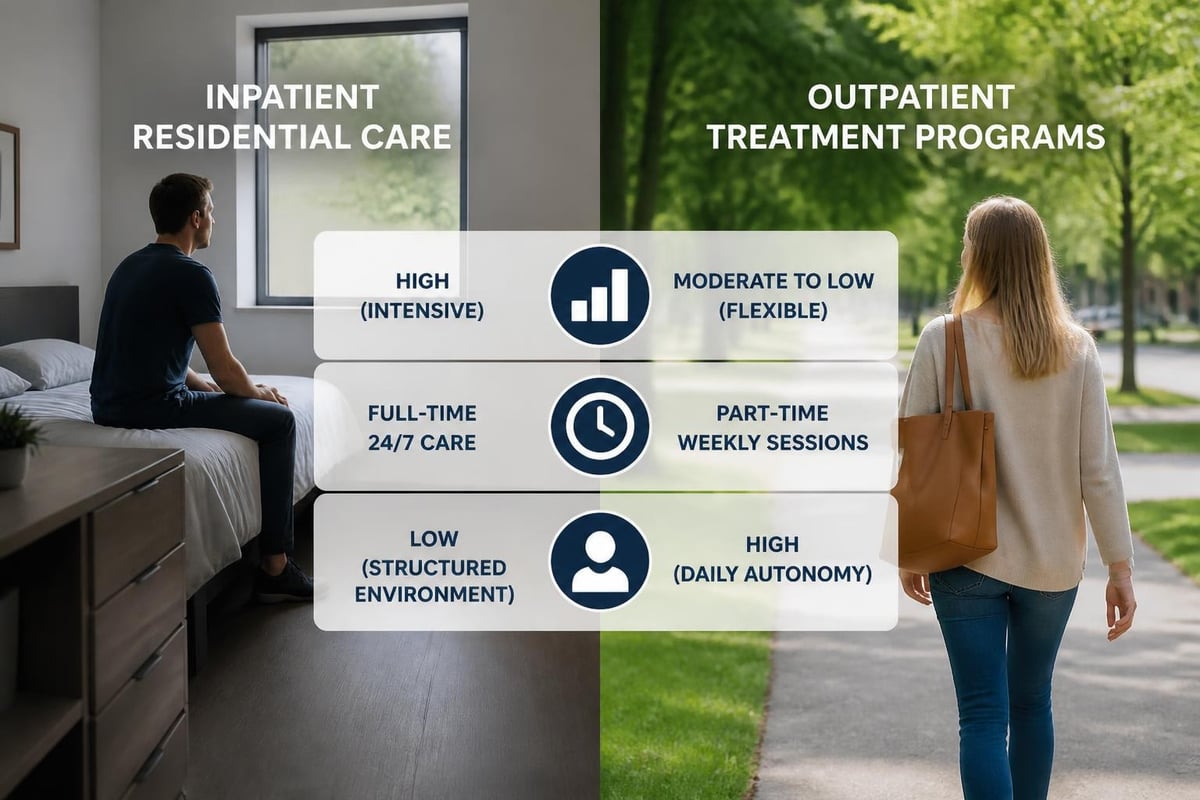
Rehabilitation facilities operate under various models designed to meet diverse patient needs and circumstances. The primary distinction exists between residential (inpatient) and outpatient programs, each offering unique advantages depending on addiction severity, personal obligations, and medical requirements.

Inpatient rehab centres provide 24-hour supervised care in a controlled environment, removing individuals from triggering situations and enabling complete focus on recovery. These facilities typically require stays ranging from 28 days to several months, depending on treatment plans and progress.

Outpatient programs allow individuals to maintain work, school, or family commitments while attending scheduled treatment sessions. These options work effectively for people with:

  • Stable home environments
  • Strong support networks
  • Less severe addiction patterns
  • Previous successful completion of inpatient care

Specialized rehab centres focus on specific populations or addiction types. Some facilities cater exclusively to adolescents, while others specialize in dual diagnosis treatment for co-occurring mental health conditions. According to the American Psychiatric Association’s overview of addiction, understanding the specific nature of substance use disorders helps determine the most appropriate treatment setting.

Types of rehab treatment settings

Luxury Versus Standard Facilities

The rehabilitation landscape includes facilities across a broad spectrum of amenities and cost structures. Standard rehab centres focus on evidence-based treatment delivery with comfortable but modest accommodations. Luxury facilities offer additional amenities such as private rooms, spa services, gourmet meals, and recreational activities like equine therapy or yoga studios.

Feature Standard Facilities Luxury Facilities
Accommodation Shared rooms Private suites
Staff ratio 1:6-8 patients 1:3-4 patients
Additional therapies Core treatments Holistic options
Average cost Moderate Premium

Both facility types deliver the same fundamental therapeutic interventions. The choice often depends on budget, insurance coverage, and personal preferences regarding privacy and comfort during recovery.

The Admission Process at Rehab Centres

Entry into rehabilitation programs follows a structured assessment protocol designed to create personalized treatment plans. Understanding this process reduces anxiety and helps individuals prepare mentally and logistically for admission.

Initial contact typically begins with a confidential phone consultation where intake specialists gather preliminary information about substance use history, mental health status, and immediate medical concerns. This conversation helps determine appropriate care levels and facility matches.

Pre-admission steps include:

  1. Medical and psychological evaluation
  2. Insurance verification and financial counseling
  3. Development of individualized treatment plans
  4. Coordination of admission logistics and timing
  5. Family education about the treatment process

Most facilities conduct comprehensive assessments during the first 24-72 hours after admission. Medical teams evaluate physical health, withdrawal risks, and medication needs. Clinical staff assess psychological state, trauma history, and co-occurring disorders. This thorough evaluation informs every aspect of the treatment plan moving forward.

What to Bring to Treatment

Preparing for admission involves practical considerations about personal items. Rehab centres maintain specific policies regarding allowable belongings to maintain safe, distraction-free environments.

Generally acceptable items include comfortable clothing, toiletries (alcohol-free), prescribed medications in original containers, and personal care items. Most facilities prohibit electronics beyond basic phones (sometimes held by staff), valuables, outside food, and anything containing alcohol or triggering substances.

Core Treatment Components

Effective rehabilitation integrates multiple therapeutic modalities addressing the physical, psychological, and social dimensions of addiction. Modern rehab centres employ evidence-based practices proven through research, as highlighted in studies on rehabilitation interventions for substance use disorders.

Medical Detoxification

For individuals with physical dependencies, medically supervised detoxification represents the essential first phase. Clinical teams monitor vital signs, manage withdrawal symptoms, and provide medications when appropriate to ensure safety and comfort during this challenging period.

Detoxification timelines vary by substance:

  • Alcohol: 5-7 days for acute withdrawal
  • Opioids: 5-10 days for physical symptoms
  • Benzodiazepines: 2-8 weeks with tapering protocols
  • Stimulants: 3-5 days for initial crash phase

Medical professionals remain available continuously during detox, adjusting protocols based on individual responses and emerging complications.

Individual and Group Therapy

Psychological treatment forms the foundation of lasting recovery. Individual counseling sessions provide private spaces to explore personal trauma, develop coping strategies, and address underlying issues contributing to substance use. Therapists employ various approaches including Cognitive Behavioral Therapy (CBT), Dialectical Behavior Therapy (DBT), and motivational interviewing.

Therapy approaches in addiction treatment

Group therapy creates peer support environments where individuals share experiences, learn from others' journeys, and practice interpersonal skills essential for recovery. These sessions reduce isolation and normalize the recovery process.

Benefits of group therapy include:

  • Reduced feelings of shame and isolation
  • Peer accountability and motivation
  • Opportunities to practice communication skills
  • Diverse perspectives on similar challenges
  • Cost-effective therapeutic intervention

Family Involvement and Support Systems

Addiction impacts entire family systems, not just individuals struggling with substance use. Progressive rehab centres recognize this reality and integrate family members into the treatment process through education, therapy, and ongoing support programming.

Family therapy sessions help repair damaged relationships, establish healthy boundaries, and educate loved ones about addiction as a medical condition rather than a moral failing. These interventions prove particularly valuable because family dynamics often contribute to both the development and maintenance of addictive behaviors.

Educational workshops teach families about:

  • The neuroscience of addiction
  • Enabling versus supporting behaviors
  • Communication strategies for recovery
  • Relapse warning signs and intervention protocols
  • Self-care for family members

Some facilities offer dedicated family programs where relatives can participate in their own therapeutic work, addressing codependency patterns and developing personal wellness practices. This comprehensive approach strengthens the entire support network surrounding individuals in recovery.

Continuing Care Planning

Successful rehabilitation extends beyond facility discharge. Comprehensive rehab centres develop detailed aftercare plans addressing the transition back to daily life while maintaining recovery momentum.

Continuing care components typically include outpatient therapy referrals, 12-step or alternative support group connections, sober living arrangements when needed, and scheduled follow-up appointments with treatment teams. These structured supports help individuals navigate early recovery challenges when relapse risks remain highest.

Measuring Success and Long-Term Outcomes

Evaluating rehabilitation effectiveness requires understanding that recovery represents a long-term process rather than a single event. Rehab centres track various metrics to assess program quality and patient progress.

Key success indicators include:

  • Completion rates for treatment programs
  • Abstinence rates at 30, 60, and 90-day intervals
  • Employment or educational engagement post-treatment
  • Improved family and social relationships
  • Reduction in legal or financial problems related to substance use

Research indicates that individuals completing full treatment programs demonstrate significantly better outcomes than those who leave prematurely. The World Health Organization emphasizes rehabilitation’s importance in comprehensive health systems, recognizing its role in restoring function and improving quality of life.

Timeframe Average Abstinence Rate Contributing Factors
30 days 65-70% Fresh from treatment, high motivation
90 days 50-55% Navigating real-world triggers
1 year 40-45% Established recovery practices
5 years 35-40% Long-term lifestyle changes

These statistics reflect the chronic nature of addiction and highlight why ongoing support remains essential beyond initial treatment.

Recovery success factors

Financial Considerations and Insurance Coverage

Understanding payment options helps eliminate barriers to accessing treatment. Rehab centres work with various payment sources, and many facilities employ financial counselors who help navigate insurance benefits and alternative funding options.

Insurance and Treatment Coverage

The Mental Health Parity and Addiction Equity Act requires insurance companies to cover addiction treatment similarly to other medical conditions. Most private insurance plans provide some level of rehabilitation coverage, though specific benefits vary significantly between policies.

Coverage considerations include deductibles, copayments, coverage limits, and network restrictions. Many facilities offer direct insurance billing and pre-authorization services to clarify expected costs before admission. For those seeking comprehensive support, Addiction Helper offers specialized rehab programs across South Africa that work with various insurance providers and payment options to make treatment accessible.

Questions to ask insurance providers:

  1. What is my deductible and out-of-pocket maximum?
  2. How many days of inpatient treatment are covered annually?
  3. Are specific facilities within my network?
  4. What authorization or documentation is required?
  5. Does coverage continue for outpatient and aftercare services?

Alternative Funding Options

For individuals without adequate insurance coverage, rehab centres often provide payment plans, sliding scale fees based on income, or scholarship programs funded by foundations and community organizations. State-funded facilities offer low-cost or free treatment, though waiting lists may exist.

Some employers maintain Employee Assistance Programs (EAP) that cover or subsidize addiction treatment. Additionally, healthcare financing companies specialize in medical loans for rehabilitation services, enabling individuals to begin treatment immediately while managing costs over time.

Specialized Treatment Approaches

Modern rehabilitation incorporates diverse therapeutic modalities beyond traditional talk therapy and 12-step programs. These specialized approaches address the complex nature of addiction and individual differences in learning styles, backgrounds, and treatment responses.

Holistic therapies integrate mind-body practices such as meditation, yoga, acupuncture, and nutritional counseling. These interventions address overall wellness and teach stress management techniques valuable throughout recovery.

Experiential therapies use activities like art therapy, music therapy, adventure therapy, and equine-assisted therapy to access emotions and insights that may not emerge through conventional counseling. These approaches prove particularly effective for individuals with trauma histories or those who struggle with traditional talk therapy formats.

Medication-Assisted Treatment (MAT) combines behavioral therapies with FDA-approved medications for opioid and alcohol use disorders. Medications like methadone, buprenorphine, and naltrexone reduce cravings and withdrawal symptoms, allowing individuals to focus on psychological recovery work. The SAMHSA treatment locator helps individuals find facilities offering MAT services.

Gender-Specific and Cultural Considerations

Research demonstrates that gender-specific programming improves outcomes for many individuals. Women-only and men-only programs address unique trauma patterns, social pressures, and biological factors affecting addiction and recovery.

Cultural competency in treatment settings ensures that therapeutic approaches respect diverse backgrounds, traditions, and belief systems. Facilities with multilingual staff and culturally informed programming better serve diverse populations and create inclusive healing environments.

Daily Life in Residential Treatment

Understanding typical daily routines helps set realistic expectations for residential rehabilitation experiences. Structured schedules provide stability and purpose while teaching time management skills essential for sustainable recovery.

Most facilities maintain consistent wake and sleep times, with days divided between therapeutic activities, meals, personal time, and recreation. A typical schedule might include morning meditation, breakfast, group therapy, individual counseling, lunch, educational workshops, recreational activities, dinner, 12-step meetings, and evening reflection time.

Common daily activities include:

  • Morning wellness check-ins and goal setting
  • Educational lectures on addiction neuroscience and recovery skills
  • Process groups exploring emotions and interpersonal dynamics
  • Physical fitness activities promoting overall health
  • Life skills workshops covering budgeting, communication, and stress management
  • Quiet time for journaling, reading, or reflection

This structured approach helps individuals develop healthy routines while providing enough variety to maintain engagement throughout treatment duration. Weekend schedules often incorporate more recreational activities and visitor time when facility policies allow.


Choosing appropriate rehabilitation represents a significant decision with lasting implications for health, relationships, and quality of life. Rehab centres provide professional expertise, structured environments, and comprehensive support systems that dramatically increase recovery success rates compared to attempting sobriety independently. Whether you're seeking help for yourself or a loved one, Addiction Helper provides specialized addiction recovery services throughout South Africa, including personalized treatment plans, family support, and ongoing care coordination. Take the first step toward lasting recovery by reaching out to Addiction Helper today for a confidential consultation about treatment options tailored to your specific needs.

SHARE THIS:

Filed Under: Uncategorized

Drug and Treatment Center: A Complete Recovery Guide

5 August 2026

Choosing the right drug and treatment center represents one of the most critical decisions in the recovery journey. These specialized facilities provide structured environments where individuals can address substance use disorders through evidence-based therapies, medical supervision, and comprehensive support systems. Understanding how these centers operate, what services they offer, and how to select the most appropriate program can significantly impact long-term recovery outcomes and help individuals reclaim their lives from addiction.

Understanding the Role of a Drug and Treatment Center

A drug and treatment center serves as a dedicated facility designed to help individuals overcome substance abuse through structured intervention programs. These centers employ multidisciplinary teams including medical professionals, licensed therapists, counselors, and support staff who work collaboratively to address both the physical and psychological aspects of addiction.

The primary function extends beyond simple detoxification. Treatment centers create comprehensive recovery plans that address underlying trauma, co-occurring mental health conditions, and behavioral patterns that contribute to substance abuse. This holistic approach recognizes that addiction affects every aspect of a person's life, requiring integrated solutions rather than isolated interventions.

Treatment center program structure

Medical Supervision and Detoxification

Medical detoxification represents the critical first phase at most drug and treatment centers. During this period, healthcare professionals monitor vital signs, manage withdrawal symptoms, and ensure patient safety as the body eliminates toxic substances. The severity and duration of withdrawal vary depending on the substance used, duration of use, and individual health factors.

Common withdrawal management protocols include:

  • 24-hour medical monitoring and vital sign tracking
  • Medication-assisted treatment to reduce discomfort
  • Nutritional support and hydration management
  • Sleep regulation and symptom relief
  • Crisis intervention when complications arise

Research from the National Institute of Justice demonstrates that medically supervised treatment significantly improves client outcomes compared to unsupervised withdrawal attempts. Professional oversight reduces the risk of complications, prevents relapse during the vulnerable early stages, and establishes a foundation for subsequent therapeutic interventions.

Core Treatment Programs and Therapeutic Approaches

Modern drug and treatment centers offer diverse programming designed to address different needs, preferences, and stages of recovery. Evidence-based interventions form the backbone of effective treatment, supported by decades of clinical research and outcome studies.

Inpatient Residential Treatment

Residential programs provide immersive treatment experiences where clients live at the facility for extended periods, typically ranging from 28 days to six months. This environment eliminates external triggers, removes access to substances, and allows individuals to focus entirely on recovery without daily life distractions.

Program Component Duration Primary Focus
Initial Assessment 1-3 days Medical evaluation, psychological testing, treatment planning
Intensive Therapy 4-12 weeks Individual counseling, group therapy, behavioral modification
Skill Development 2-8 weeks Coping strategies, relapse prevention, life skills training
Transition Planning 1-2 weeks Aftercare coordination, community resource connection

The structured daily schedule typically includes multiple therapy sessions, educational workshops, recreational activities, and wellness programs. This comprehensive approach addresses physical health, emotional well-being, social connections, and spiritual growth simultaneously.

Outpatient Treatment Options

Outpatient programs allow individuals to maintain work, family, and educational commitments while receiving treatment. These programs vary in intensity from standard outpatient care (a few hours weekly) to intensive outpatient programs (IOP) requiring 9-20 hours of treatment per week.

Outpatient services typically include:

  • Individual counseling sessions with licensed therapists
  • Group therapy focusing on peer support and accountability
  • Family therapy to repair relationships and build support systems
  • Educational programs about addiction, triggers, and recovery tools
  • Case management connecting clients with community resources

The Washington State Department of Social and Health Services provides extensive guidance on evidence-based treatment interventions that inform outpatient program development. These interventions demonstrate effectiveness in reducing substance use, improving mental health outcomes, and supporting long-term recovery.

Therapy modalities comparison

Specialized Treatment Programs

Drug and treatment centers increasingly recognize that one-size-fits-all approaches fail to address the diverse needs of individuals seeking recovery. Specialized programs target specific populations, substances, or co-occurring conditions to enhance treatment effectiveness.

Dual Diagnosis Treatment

Many individuals struggling with substance abuse also experience mental health conditions such as depression, anxiety, PTSD, or bipolar disorder. Dual diagnosis programs address both conditions simultaneously, recognizing their interconnected nature and the way they reinforce each other.

Integrated treatment prevents the cycle where treating addiction alone leads to relapse triggered by untreated mental health symptoms, or where mental health treatment fails because active substance use interferes with medication effectiveness and therapeutic progress.

Gender-Specific Programming

Research consistently shows that men and women experience addiction differently, face distinct challenges in recovery, and respond to different therapeutic approaches. Gender-specific programs create safe environments where participants can address trauma, relationship issues, and social pressures more openly.

Women's programs often emphasize trauma-informed care, parenting support, and addressing body image issues. Men's programs typically focus on emotional expression, healthy masculinity, and addressing anger management. Both approaches recognize how societal expectations and gender roles influence substance use patterns and recovery needs.

Selecting the Right Drug and Treatment Center

Choosing an appropriate facility requires careful consideration of multiple factors that influence treatment success. The decision should balance clinical effectiveness, personal preferences, practical considerations, and long-term recovery goals.

Accreditation and Licensing

Legitimate drug and treatment centers maintain proper licensing from state regulatory agencies and accreditation from nationally recognized organizations. These credentials ensure facilities meet minimum standards for safety, staffing qualifications, treatment protocols, and ethical practices.

Key credentials to verify:

  • State department of health licensing
  • Joint Commission accreditation
  • CARF International certification
  • LegitScript certification for addiction treatment
  • Staff credentials and continuing education requirements

Verification protects patients from substandard facilities, ensures insurance coverage, and provides recourse if problems arise during treatment. Most state health departments maintain public databases where consumers can check facility status and review inspection reports.

Treatment Philosophy and Approach

Different centers emphasize various treatment philosophies, from 12-step based programs to secular cognitive-behavioral approaches, holistic wellness models, or faith-based recovery. The best fit depends on personal beliefs, previous treatment experiences, and what resonates with individual values.

Treatment Model Core Principles Best Suited For
12-Step Based Spiritual foundation, peer support, surrender, service Those comfortable with spiritual approaches, seeking lifelong community
Cognitive Behavioral Thought pattern modification, skill building, practical strategies Individuals preferring evidence-based, secular approaches
Holistic Wellness Mind-body connection, nutrition, exercise, meditation Those seeking comprehensive lifestyle transformation
Medication-Assisted Pharmacological support, harm reduction, medical model Opioid or alcohol dependence, previous relapse history

The Office of Justice Programs research emphasizes that program effectiveness depends on proper matching between client needs and treatment approach, rather than any single methodology being universally superior.

Insurance Coverage and Financial Considerations

The Mental Health Parity and Addiction Equity Act requires insurance plans to cover substance abuse treatment at levels comparable to other medical conditions. However, coverage details vary significantly between plans, making verification essential before admission.

Understanding Your Benefits

Most drug and treatment centers employ verification specialists who contact insurance providers to determine coverage levels, copayments, deductibles, and pre-authorization requirements. This process typically takes 24-48 hours and provides detailed information about financial responsibility.

Questions to ask during insurance verification:

  • What percentage of treatment costs does the plan cover?
  • Are there session limits or duration caps on coverage?
  • Does the plan require pre-authorization or utilization review?
  • What documentation must be submitted for reimbursement?
  • Are out-of-network facilities covered at reduced rates?

For those without insurance or with inadequate coverage, many facilities offer payment plans, sliding scale fees based on income, or connections to state-funded treatment programs. Organizations like Addiction Helper provide guidance on accessing affordable treatment options and navigating the complex landscape of addiction services across South Africa.

Financial planning for treatment

Family Involvement and Support Systems

Addiction affects entire family systems, not just the individual using substances. Progressive drug and treatment centers recognize this reality and incorporate family members into the recovery process through education, therapy, and support services.

Family Therapy Programs

Family therapy addresses dysfunctional communication patterns, enables loved ones to understand addiction as a disease, teaches healthy boundary setting, and helps repair damaged relationships. These sessions may occur individually with family members, in multi-family group settings, or through intensive family weeks.

The benefits extend beyond immediate relationships. Family members learn to recognize enabling behaviors, develop self-care practices, understand their own needs, and create sustainable support systems that benefit everyone involved.

Continuing Care and Aftercare Planning

The transition from intensive treatment back to daily life represents a vulnerable period when relapse risk increases substantially. Quality drug and treatment centers develop comprehensive aftercare plans before discharge, establishing support structures that sustain recovery momentum.

Essential aftercare components include:

  1. Outpatient therapy continuation for ongoing professional support
  2. Peer support group connections through 12-step or alternative communities
  3. Sober living arrangements providing structured, substance-free environments
  4. Recovery coaching for accountability and practical guidance
  5. Alumni programs maintaining connection with the treatment community

Research published in PLOS Medicine examining long-term treatment outcomes demonstrates that continuing care significantly improves sustained recovery rates, reduces healthcare costs, and enhances overall quality of life compared to treatment without aftercare support.

Evidence-Based Therapeutic Interventions

Modern drug and treatment centers utilize interventions supported by rigorous clinical research and proven effectiveness. These evidence-based practices form the foundation of quality treatment programs and distinguish professional facilities from unproven alternative approaches.

Cognitive Behavioral Therapy

CBT helps individuals identify negative thought patterns that contribute to substance use, develop healthier thinking habits, and build practical coping skills. This approach teaches clients to recognize triggers, challenge irrational beliefs, and respond to cravings without using substances.

The structured nature of CBT makes it particularly effective for addiction treatment. Clients learn specific techniques they can apply immediately, practice skills between sessions, and measure progress through behavioral changes rather than abstract concepts.

Motivational Interviewing

This client-centered approach helps individuals resolve ambivalence about change, strengthen personal motivation for recovery, and develop commitment to treatment goals. Rather than confrontational tactics, motivational interviewing uses empathetic listening and strategic questioning to help clients articulate their own reasons for change.

The technique proves especially valuable during early treatment stages when clients may feel uncertain about recovery, resistant to treatment mandates, or skeptical about their ability to change. By eliciting intrinsic motivation rather than imposing external demands, therapists help clients develop sustainable commitment to recovery.

Measuring Treatment Success and Outcomes

Effective drug and treatment centers track outcomes beyond simple abstinence, recognizing that recovery encompasses multiple life domains. Comprehensive outcome measurement provides accountability, informs program improvements, and helps clients recognize progress that extends beyond substance use.

Key Performance Indicators

Outcome Measure Assessment Method Target Benchmark
Abstinence Rates Self-report, drug testing 70%+ at 6 months post-discharge
Employment Status Follow-up surveys 60%+ employed or in training
Legal Issues Criminal record checks 80%+ no new arrests
Housing Stability Client interviews 75%+ stable housing
Relationship Quality Standardized assessments 65%+ improved family relationships

The Office of Justice Programs emphasizes that effective treatment programs demonstrate improvements across multiple domains rather than focusing solely on drug use reduction. This comprehensive approach reflects the complex nature of addiction and recovery.

Addressing Co-Occurring Disorders

Approximately 50% of individuals seeking addiction treatment also struggle with mental health conditions. Drug and treatment centers equipped to handle dual diagnosis provide integrated care that addresses both conditions simultaneously rather than treating them in isolation.

Common Co-Occurring Conditions

Depression frequently accompanies substance abuse, with each condition exacerbating the other. Anxiety disorders drive many individuals to self-medicate with alcohol or drugs. PTSD from trauma creates vulnerability to addiction as individuals attempt to numb painful memories and emotional responses.

Integrated treatment protocols ensure psychiatrists coordinate with addiction counselors, medications are managed considering both conditions, and therapy addresses the relationship between mental health symptoms and substance use patterns. This collaboration prevents the common problem where treating one condition undermines progress in the other.

The Role of Medication-Assisted Treatment

For certain addictions, particularly opioids and alcohol, medication-assisted treatment (MAT) significantly improves outcomes when combined with counseling and behavioral therapies. Progressive drug and treatment centers incorporate MAT as part of comprehensive treatment rather than viewing it as conflicting with abstinence-based approaches.

FDA-Approved Medications

Medications like buprenorphine, methadone, and naltrexone for opioid addiction reduce cravings, prevent withdrawal symptoms, and block euphoric effects if relapse occurs. For alcohol dependence, medications including naltrexone, acamprosate, and disulfiram support abstinence by reducing cravings or creating negative reactions to alcohol consumption.

The stigma surrounding MAT continues to diminish as research demonstrates superior outcomes compared to behavioral therapy alone. Modern treatment philosophy recognizes that addiction involves brain chemistry changes requiring medical intervention alongside psychological support for optimal recovery.


Finding the right drug and treatment center requires research, honest self-assessment, and understanding of what comprehensive addiction treatment entails. Quality facilities provide evidence-based care, address individual needs, and support long-term recovery through structured programming and aftercare planning. Addiction Helper offers comprehensive addiction recovery services throughout South Africa, including specialized rehab programs, mental health support, and family interventions designed to address various substance and process addictions. Reach out today to begin your journey toward lasting recovery.

SHARE THIS:

Filed Under: Uncategorized

Recovery Help: Your Essential Guide to Addiction Recovery

4 August 2026

Finding effective recovery help marks the beginning of a transformative journey toward lasting sobriety and wellness. Whether you're struggling with substance use, behavioral addictions, or supporting a loved one through their recovery process, understanding the comprehensive landscape of available resources can make the difference between sustainable healing and continued struggle. The path to recovery isn't linear, and accessing appropriate support at each stage creates a foundation for long-term success in overcoming addiction.

Understanding the Foundations of Recovery

Recovery help encompasses far more than simply stopping substance use or addictive behaviors. According to SAMHSA’s definition of recovery, it represents a process of change through which individuals improve their health and wellness, live self-directed lives, and strive to reach their full potential. This holistic approach addresses physical health, mental wellness, social connections, and purpose-driven living.

The recovery journey typically involves multiple dimensions working together simultaneously. These interconnected elements include physical health restoration, psychological healing, social relationship rebuilding, and spiritual or existential growth. Each person's recovery path looks different, but accessing appropriate recovery help at critical moments significantly improves outcomes.

Core Components of Effective Recovery Support

Professional treatment programs form the cornerstone of many successful recovery journeys. These structured environments provide medical supervision, therapeutic interventions, and skill-building opportunities that address both the immediate crisis and long-term wellness needs.

Key elements of comprehensive recovery programs include:

  • Medical detoxification with 24-hour clinical monitoring
  • Individual therapy targeting underlying trauma and mental health conditions
  • Group counseling that builds peer support and accountability
  • Family therapy to heal relationships and establish healthy boundaries
  • Aftercare planning that extends support beyond initial treatment

Evidence-based therapeutic approaches have transformed how professionals deliver recovery help. Cognitive-behavioral therapy, motivational interviewing, dialectical behavior therapy, and trauma-informed care provide frameworks that address the complex psychological aspects of addiction.

Recovery support dimensions

Professional Treatment Options and Levels of Care

Recovery help comes in various intensities designed to match individual needs and circumstances. The continuum of care ensures that people receive appropriate support whether they're just beginning recovery or maintaining long-term sobriety.

Treatment Level Duration Best For Key Features
Inpatient/Residential 28-90 days Severe addiction, unstable environment 24/7 supervision, intensive therapy, medical care
Partial Hospitalization 4-6 hours daily Step-down from inpatient Structured programming, return home nightly
Intensive Outpatient 9-12 hours weekly Moderate addiction, stable housing Evening/weekend programs, maintain work/school
Outpatient Counseling 1-3 hours weekly Maintenance phase, mild cases Individual/group therapy, flexible scheduling

Specialized treatment centers address specific addiction types with tailored approaches. For those seeking comprehensive options, Addiction Helper offers specialized rehab programs across South Africa for various substance and process addictions, providing personalized treatment plans that address individual circumstances and recovery goals.

Matching Treatment Intensity to Individual Needs

Determining the appropriate level of recovery help requires honest assessment of several factors. Severity of addiction, co-occurring mental health conditions, previous treatment history, social support availability, and environmental stability all influence treatment placement decisions.

Medical professionals use standardized assessment tools to evaluate these dimensions objectively. The American Society of Addiction Medicine (ASAM) criteria provide guidelines that match individuals to appropriate care levels based on six key areas: acute intoxication, withdrawal potential, biomedical conditions, emotional/behavioral complications, readiness to change, and recovery environment.

Starting at the appropriate intensity level prevents both under-treatment and unnecessary restriction. Some individuals benefit from beginning in residential settings before transitioning to less intensive options, while others successfully start with outpatient support and escalate only if needed.

Building a Sustainable Support Network

Long-term recovery help extends beyond formal treatment into everyday life through peer support and community connections. Research from mental health organizations consistently shows that social support significantly predicts recovery success and reduces relapse risk.

Effective support networks typically include:

  1. Peer recovery groups offering shared experiences and accountability
  2. Family members educated about addiction and recovery processes
  3. Sober social activities that replace substance-centered interactions
  4. Professional counselors providing ongoing guidance
  5. Spiritual or faith communities aligning with personal beliefs

Mutual support groups like Alcoholics Anonymous, Narcotics Anonymous, SMART Recovery, and Celebrate Recovery provide accessible recovery help worldwide. These groups operate on peer support principles, where individuals at various recovery stages share experiences, strength, and hope without professional facilitation.

Recovery support network

Leveraging Technology for Recovery Support

Digital tools have expanded access to recovery help significantly. Smartphone applications provide craving management tools, sobriety tracking, meditation guidance, and instant connection to support networks. Telehealth services deliver counseling sessions, medical consultations, and group therapy regardless of geographic location.

Online communities offer 24/7 peer support through forums, chat rooms, and virtual meetings. These platforms prove especially valuable during early recovery when traditional meeting access may be limited or when anonymity concerns prevent in-person attendance. The SAMHSA support group directory helps individuals locate both virtual and in-person options.

Recovery podcasts, educational webinars, and YouTube channels provide continuous learning opportunities about addiction science, coping strategies, and inspirational stories. These resources complement formal treatment and support group participation, reinforcing recovery principles through multiple channels.

Addressing Co-Occurring Mental Health Conditions

Integrated recovery help addresses both addiction and mental health disorders simultaneously. Approximately 50% of individuals with substance use disorders also experience mental health conditions like depression, anxiety, PTSD, or bipolar disorder. Treating only one condition while ignoring the other significantly increases relapse risk.

Dual diagnosis treatment programs recognize these interconnected challenges and provide specialized care that addresses both issues concurrently. Mental health professionals trained in addiction treatment deliver therapy that targets underlying psychological pain often driving substance use while simultaneously teaching healthy coping mechanisms.

The Role of Medication-Assisted Treatment

Certain medications play crucial roles in recovery help for specific addictions. Medication-assisted treatment (MAT) combines FDA-approved medications with counseling and behavioral therapies to treat substance use disorders.

Addiction Type Medication Options How They Help
Opioid Use Methadone, Buprenorphine, Naltrexone Reduce cravings, normalize brain chemistry, block euphoric effects
Alcohol Use Naltrexone, Acamprosate, Disulfiram Decrease drinking urges, restore brain balance, deter use
Tobacco Use Nicotine replacement, Varenicline, Bupropion Ease withdrawal, reduce pleasure from smoking

MAT reduces overdose deaths, improves treatment retention, and increases employment outcomes. Despite proven effectiveness, stigma sometimes prevents individuals from accessing this form of recovery help. Understanding that addiction involves brain chemistry changes helps recognize medication as legitimate medical intervention rather than substituting one drug for another.

Integrated treatment approach

Family Involvement in the Recovery Process

Recovery help extends beyond the individual to encompass family systems profoundly affected by addiction. Family therapy addresses relationship damage, establishes healthy communication patterns, and educates loved ones about supporting recovery without enabling continued substance use.

Interventions conducted by trained professionals help families communicate concerns effectively when someone refuses treatment. These structured conversations, guided by intervention specialists, present consequences while offering immediate treatment options. Professional facilitation prevents interventions from becoming confrontational or counterproductive.

Family support groups like Al-Anon, Nar-Anon, and Co-Dependents Anonymous provide recovery help specifically for those affected by someone else's addiction. These groups teach healthy boundary-setting, self-care practices, and detachment with love principles that benefit entire family systems.

Parents, spouses, and children benefit from understanding:

  • How addiction changes brain function and behavior
  • The difference between helping and enabling
  • Setting and maintaining healthy boundaries
  • Managing their own stress and emotional wellness
  • Supporting recovery without controlling the process

Educational resources from organizations like the Rutgers Addiction Research Center provide evidence-based information helping families navigate the complexities of supporting loved ones through recovery.

Developing Practical Recovery Skills

Effective recovery help teaches concrete skills for managing life without substances. These practical tools address real-world challenges individuals face when returning to daily responsibilities, social situations, and stress without their previous coping mechanism.

Relapse Prevention Strategies

Understanding personal triggers represents the foundation of relapse prevention. Recovery help teaches individuals to identify high-risk situations, emotional states, and thought patterns that precede substance use. This awareness allows proactive planning rather than reactive crisis management.

  1. Map specific triggers including people, places, emotions, and situations
  2. Develop coping strategies for each identified trigger category
  3. Create emergency action plans for overwhelming craving moments
  4. Establish accountability systems with sponsors or counselors
  5. Practice refusal skills through role-playing and rehearsal
  6. Monitor warning signs indicating increased relapse risk

Stress management techniques form another critical component of practical recovery skills. Since many individuals initially used substances to manage stress, learning healthy alternatives proves essential. The National Institute of Mental Health provides evidence-based guidance on exercise, nutrition, sleep hygiene, and relaxation practices that support mental wellness.

Lifestyle Reconstruction and Purpose Building

Recovery creates space previously occupied by substance use and addiction-related activities. Filling this void with meaningful pursuits prevents boredom and purposelessness that often trigger relapse. Recovery help includes guidance on rediscovering interests, developing new hobbies, pursuing education, and building careers.

Volunteering offers particularly powerful recovery support by creating purpose, building self-esteem, and connecting individuals with community. Many people in recovery find meaning helping others facing similar challenges, eventually becoming peer support specialists, recovery coaches, or addiction counselors themselves.

Financial and Practical Considerations

Accessing recovery help requires navigating practical barriers including cost, insurance coverage, and logistical challenges. Understanding available options helps individuals make informed decisions without allowing financial concerns to prevent treatment access.

Many insurance plans now cover addiction treatment at parity with other medical conditions following mental health parity legislation. Verification of benefits through insurance providers clarifies coverage levels, out-of-pocket costs, and network requirements. Treatment centers typically offer assistance with this verification process.

Financial assistance options include:

  • Sliding scale fees based on income
  • Payment plans allowing monthly installments
  • Scholarship programs from treatment facilities
  • State-funded treatment programs
  • Nonprofit organization grants
  • Employee assistance programs through employers

Geographic accessibility affects treatment options, particularly in rural areas with limited services. Telehealth expansion has improved access significantly, allowing individuals to receive counseling, medical consultations, and group therapy remotely. However, certain treatment levels still require in-person attendance.

Measuring Progress and Celebrating Milestones

Recovery help includes establishing metrics for measuring progress beyond simple abstinence. While sobriety remains foundational, comprehensive recovery encompasses improvements across multiple life domains including relationships, employment, health, and overall life satisfaction.

Recovery Milestone Typical Timeline Significance
Completion of detox 5-10 days Physical stabilization achieved
30 days continuous sobriety 1 month Initial habit patterns disrupted
Return to work/school 1-3 months Functional responsibility resumed
Relationship improvements 3-6 months Trust begins rebuilding
One year anniversary 12 months Major relapse risk period passed

Celebrating milestones reinforces progress and motivates continued effort. Support groups traditionally recognize sobriety anniversaries with tokens or chips, creating tangible representations of achievement. Personal celebrations with family and friends mark recovery progress while strengthening supportive relationships.

Regular assessment using standardized quality of life measures helps track improvements in physical health, psychological well-being, social relationships, and environmental satisfaction. These objective measurements provide encouragement during challenging periods when progress feels invisible.

Maintaining Long-Term Recovery

Recovery help evolves as individuals progress from early stabilization through sustained recovery. Long-term maintenance requires different skills and support than initial treatment phases. Complacency represents one of the greatest threats to sustained sobriety, making ongoing engagement with recovery practices essential.

Many successful individuals in long-term recovery maintain some form of regular support group attendance, periodic counseling check-ins, or recovery community involvement. This continued connection provides accountability, reminds individuals of their vulnerability, and offers opportunities to help newcomers.

Recovery becomes integrated into identity rather than dominating consciousness. Instead of constantly fighting cravings and urges, individuals in sustained recovery build lives where substance use simply isn't part of their reality. This transformation happens gradually through consistent application of recovery principles and authentic lifestyle changes.

Self-care practices including exercise, nutrition, sleep, meditation, and stress management become normalized routines rather than special interventions. Regular engagement with these wellness activities maintains the physical and mental health foundations supporting continued sobriety.


Recovery help encompasses a comprehensive ecosystem of professional treatment, peer support, family involvement, and personal development practices that work together to support lasting sobriety and wellness. The journey requires courage, commitment, and willingness to accept support from multiple sources simultaneously. If you or someone you love is struggling with addiction, Addiction Helper provides personalized treatment programs, health assessments, and specialized support designed to address your unique circumstances and guide you toward sustainable recovery.

SHARE THIS:

Filed Under: Uncategorized

Cheap Rehab Centres: Affordable Recovery Options in 2026

3 August 2026

Finding quality addiction treatment shouldn't require choosing between recovery and financial stability. Cheap rehab centres provide essential services for individuals who need professional help but cannot afford premium private facilities. These affordable treatment options have expanded significantly across South Africa and globally, offering evidence-based care through innovative funding models, government support, and nonprofit initiatives. Understanding what these facilities offer and how to access them can transform the recovery journey for those facing financial constraints.

Understanding the Landscape of Affordable Addiction Treatment

The addiction treatment industry has evolved to recognize that financial barriers should never prevent someone from receiving help. Cheap rehab centres operate through various funding mechanisms that reduce or eliminate costs for patients while maintaining clinical standards.

Different Types of Budget-Friendly Facilities

Not all affordable treatment centers operate the same way. Some receive government funding, others rely on charitable donations, and many use sliding scale fee structures based on income verification.

Key categories include:

  • Government-funded public facilities
  • Nonprofit addiction treatment organizations
  • Faith-based recovery programs
  • Community health center addiction services
  • Sliding scale private facilities
  • University teaching hospitals with addiction programs

Each type brings distinct advantages. Government facilities often provide comprehensive services at minimal cost, while nonprofit centers may offer specialized programs focused on specific populations or addiction types. Free addiction centers across different regions demonstrate how diverse funding models create treatment accessibility.

Funding models for affordable rehab

Quality Standards in Affordable Care

The misconception that cheap rehab centres compromise on quality doesn't align with current industry standards. Many affordable facilities meet the same accreditation requirements as expensive private centers.

Quality Indicator Affordable Centers Premium Centers
Licensed medical staff Required by law Required by law
Evidence-based therapies Standard practice Standard practice
Continuing care planning Included Included
Family involvement options Available Available
Accreditation compliance Mandatory Mandatory

Professional licensing boards don't differentiate treatment requirements based on facility pricing. The primary differences often lie in amenities, privacy levels, and staff-to-patient ratios rather than core clinical programming.

Financial Pathways to Access Treatment

Multiple funding sources make treatment accessible even when personal finances are limited. Understanding these options helps individuals navigate the system effectively.

Government and State-Funded Programs

South Africa's public health system includes addiction treatment services through district hospitals and specialized facilities. The National Department of Health provides treatment centers that operate at minimal or no cost to qualifying patients.

Provincial health departments maintain networks of substance abuse treatment facilities. These programs typically require proof of residence and financial need assessment but offer comprehensive inpatient and outpatient services.

Documentation typically required:

  1. South African ID document
  2. Proof of residence
  3. Income verification or unemployment status
  4. Medical aid details (if applicable)
  5. Referral letter from healthcare provider (sometimes)

Medical Aid and Insurance Options

Many South African medical aid schemes now include addiction treatment benefits under their Prescribed Minimum Benefits or additional mental health coverage. Understanding your policy specifics can unlock substantial support.

Medical schemes vary significantly in coverage amounts and approved facilities. Some limit treatment to specific networks while others reimburse a percentage of costs at any registered facility. Contacting your scheme administrator before admission prevents billing surprises.

Sliding Scale and Income-Based Programs

Numerous facilities adjust fees based on verified income levels. These sliding scale programs make treatment accessible across different economic situations without requiring complete financial hardship.

Income verification typically requires recent payslips, tax returns, or unemployment documentation. The assessment process remains confidential, and facilities work with individuals to establish affordable payment arrangements.

Types of Programs Available at Budget-Friendly Centers

Cheap rehab centres offer various treatment modalities matching different addiction types, severity levels, and personal circumstances. The range of options has expanded considerably in recent years.

Inpatient Residential Programs

Residential treatment provides 24-hour care in a structured environment. While typically more expensive than outpatient care, many affordable residential programs exist through government facilities and nonprofit organizations.

Duration varies from 28-day programs to extended stays of three to six months. Longer programs often show better outcomes for severe addictions but require greater time commitments.

These programs include:

  • Medical detoxification services
  • Individual counseling sessions
  • Group therapy multiple times weekly
  • Life skills training
  • Recreation and wellness activities
  • Aftercare planning

Affordable alcohol programs demonstrate how residential care remains accessible through creative funding arrangements and partnerships.

Inpatient program components

Outpatient Treatment Options

Outpatient programs allow individuals to maintain work, family, and educational commitments while receiving treatment. These represent the most common form of affordable addiction care.

Outpatient program levels include:

Program Type Time Commitment Ideal For
Standard Outpatient 1-2 sessions weekly Mild to moderate addiction, strong support system
Intensive Outpatient (IOP) 9-12 hours weekly Moderate addiction, completed detox
Partial Hospitalization (PHP) 20-30 hours weekly Severe addiction, medical stability required

Outpatient care costs significantly less than residential treatment while providing evidence-based therapies. Many individuals transition from inpatient to outpatient care as their recovery strengthens.

Specialized Population Programs

Certain cheap rehab centres focus on specific demographics or situations. These specialized programs address unique needs more effectively than general treatment.

Adolescent programs separate teens from adult populations and incorporate family therapy, educational support, and age-appropriate activities. Women's programs may offer childcare, trauma-informed care, and gender-specific group therapy. Veterans' programs understand military culture and address service-related trauma alongside addiction.

What to Expect During the Admission Process

Entering affordable treatment requires patience with administrative processes, but understanding expectations simplifies navigation.

Initial Assessment and Evaluation

Most facilities begin with comprehensive assessments evaluating addiction severity, mental health status, medical needs, and social circumstances. This typically occurs over one to three appointments.

Assessment components examine substance use history, previous treatment attempts, family addiction patterns, current mental health symptoms, physical health conditions, and available support systems. Honest disclosure during assessment ensures appropriate program placement.

Clinical teams use standardized tools to measure addiction severity and determine appropriate care levels. These assessments also identify co-occurring mental health disorders requiring integrated treatment.

Waitlist Management

Popular government-funded and nonprofit facilities often maintain waitlists due to high demand and limited beds. Waitlist duration varies from days to several months depending on location and program type.

Strategies while waiting:

  1. Attend support group meetings regularly
  2. Begin outpatient counseling if available
  3. Remove substances from living environment
  4. Inform facility of any status changes
  5. Maintain regular contact with admissions staff
  6. Consider alternative facilities if urgent need exists

Some facilities prioritize admissions based on severity, pregnancy, or parenting status. Understanding prioritization criteria helps set realistic expectations.

Documentation and Preparation

Gathering required documents before admission prevents delays. Most facilities provide specific checklists during intake conversations.

Common requirements include identification documents, medical records, psychiatric evaluations if applicable, medication lists, insurance information, and proof of income for sliding scale programs. Some facilities restrict what personal items patients can bring, particularly in residential settings.

Maximizing Success in Affordable Treatment Programs

The facility's cost doesn't determine recovery success. Personal commitment and active participation matter more than treatment price tags.

Active Engagement Strategies

Patients who engage fully with available services typically achieve better outcomes regardless of facility expense. This means attending all scheduled sessions, participating honestly in groups, completing assignments, and building relationships with peers and staff.

Engagement practices that enhance outcomes:

  • Asking questions when concepts aren't clear
  • Volunteering for leadership roles in peer activities
  • Requesting additional support when struggling
  • Practicing learned skills between sessions
  • Maintaining open communication with counselors
  • Participating in all recommended activities

Treatment effectiveness increases when individuals view themselves as active participants rather than passive recipients of care.

Building Support Networks

Cheap rehab centres often emphasize peer support more heavily than expensive facilities, creating strong recovery communities. These connections frequently become long-term recovery assets.

Group therapy, communal meals, and shared living spaces in residential programs create natural bonding opportunities. Many individuals report that peer relationships developed during affordable treatment remain central to ongoing sobriety.

Staying connected with treatment peers after discharge through support groups, social activities, and mutual accountability significantly reduces relapse risk.

Peer support networks

Utilizing All Available Resources

Budget-friendly facilities may offer fewer luxury amenities but typically provide access to essential recovery resources. Taking advantage of every available service maximizes treatment value.

Many facilities offer services beyond basic therapy including vocational counseling, educational workshops, legal assistance referrals, family therapy, medical care coordination, and housing assistance. These wrap-around services address the broader life circumstances that impact recovery sustainability.

Addiction Helper provides comprehensive addiction recovery services throughout South Africa, offering specialized rehab programs for substance and process addictions along with mental health support and family interventions.

Addressing Common Concerns About Budget Treatment

Misconceptions about cheap rehab centres prevent some individuals from seeking help. Addressing these concerns with factual information removes unnecessary barriers.

Privacy and Confidentiality

Affordable facilities follow the same privacy regulations as expensive centers. South African law and international treatment standards require strict confidentiality regardless of payment source.

Patient information remains protected except in legally mandated reporting situations involving child abuse, threats of violence, or court orders. Staff members receive training on confidentiality requirements, and facilities implement secure record-keeping systems.

Shared rooms in residential facilities mean less physical privacy than private accommodations, but clinical privacy remains absolute. Treatment discussions, individual records, and personal disclosures receive the same protection across all facility types.

Treatment Duration and Completion Rates

Research shows that treatment completion rates correlate more strongly with program fit, individual motivation, and support systems than with facility cost. Free rehab programs often achieve comparable completion rates to expensive alternatives when controlling for patient characteristics.

Some affordable programs actually demonstrate higher completion rates due to lower-pressure environments, stronger peer communities, and reduced financial stress during treatment. Patients aren't distracted by mounting bills or insurance disputes.

Appropriate treatment duration depends on addiction severity, not facility price. Evidence suggests minimum stays of 90 days for residential programs and three to six months for outpatient care produce optimal outcomes.

Long-Term Recovery Outcomes

Multiple studies have examined recovery sustainability following treatment at facilities across different price points. The consistent finding shows that treatment quality, individual engagement, and aftercare participation predict long-term sobriety more accurately than treatment cost.

Outcome Factor Impact on Long-Term Recovery
Treatment completion High positive correlation
Aftercare participation High positive correlation
Support group involvement High positive correlation
Facility cost No significant correlation
Treatment duration Moderate positive correlation

Cheap rehab centres that provide evidence-based care, appropriate treatment duration, and strong continuing care planning achieve recovery outcomes comparable to premium facilities. The key lies in program quality rather than amenities.

Continuing Care After Affordable Treatment

Recovery extends far beyond initial treatment. Cheap rehab centres typically emphasize aftercare planning to support long-term sobriety without ongoing facility costs.

Transitional Programs and Sober Living

Many individuals benefit from structured transitional housing after residential treatment. Sober living homes provide accountability and peer support while allowing gradual reintegration into daily life.

These facilities cost significantly less than treatment centers while offering drug-free environments with house rules, regular meetings, and peer accountability. Residents typically work or attend school while maintaining sobriety in a supportive setting.

Duration in sober living varies from several months to over a year depending on individual stability and circumstances. This extended support bridges the gap between intensive treatment and independent living.

Free and Low-Cost Aftercare Resources

Numerous no-cost resources support ongoing recovery. Twelve-step programs like Alcoholics Anonymous and Narcotics Anonymous operate worldwide with no membership fees. These peer-led groups provide regular meetings, sponsorship, and fellowship.

SMART Recovery offers a science-based alternative to twelve-step programs, also at no cost. These meetings teach self-empowerment and coping skills through a four-point program addressing motivation, coping, behavior management, and lifestyle balance.

Online recovery communities have expanded dramatically, providing 24/7 peer support through forums, video meetings, and chat platforms. These digital resources particularly benefit individuals in rural areas or those with transportation limitations.

Maintaining Connection with Treatment Networks

Many cheap rehab centres offer alumni programs, ongoing support groups, or periodic check-ins at minimal cost. Maintaining these connections provides accountability and continued access to clinical support.

Some facilities host monthly alumni meetings, organize sober social events, or offer drop-in counseling sessions for graduates. These touchpoints help individuals navigate challenges before they escalate into relapses.

Treatment alumni often become valuable peer mentors for current patients, creating reciprocal support that strengthens everyone's recovery. This community aspect represents one of the most valuable aspects of many affordable treatment programs.

Finding the Right Affordable Treatment Option

Selecting appropriate cheap rehab centres requires research, honest self-assessment, and understanding of individual needs. The right match significantly impacts treatment effectiveness.

Assessment of Personal Needs

Different addictions, severity levels, and life circumstances require different treatment approaches. Honest evaluation of these factors guides facility selection.

Consider addiction type and duration, previous treatment attempts and outcomes, co-occurring mental health conditions, medical complications requiring monitoring, work and family obligations, geographic preferences, and cultural or religious considerations.

Severe physical dependence may require medically supervised detox before entering some programs. Mental health conditions often need integrated treatment addressing both addiction and psychiatric symptoms simultaneously.

Researching Facility Options

Multiple resources help identify and evaluate cheap rehab centres. Government health departments maintain directories of public treatment facilities. Nonprofit organizations often provide referral services and facility information.

Online resources like affordable treatment directories compile facilities by region, cost structure, and treatment specialties. These tools allow filtering by specific criteria matching individual needs.

When researching facilities, verify licensing and accreditation status, staff qualifications and credentials, treatment approaches and philosophies, average length of stay, and aftercare services provided. Contacting facilities directly with specific questions provides clarity beyond website information.

Questions to Ask During Facility Inquiries

Essential questions for potential facilities:

  1. What specific addictions do you treat most effectively?
  2. What credentials do clinical staff members hold?
  3. How do you determine appropriate treatment duration?
  4. What evidence-based therapies do you incorporate?
  5. How do you address co-occurring mental health conditions?
  6. What does your typical daily schedule include?
  7. What family involvement opportunities exist?
  8. What aftercare resources do you provide?
  9. What is your completion rate?
  10. How do you measure and track treatment outcomes?

Facilities willing to answer questions thoroughly and transparently demonstrate confidence in their programs. Evasive responses or pressure tactics suggest potential concerns.

Overcoming Barriers to Accessing Affordable Care

Even when cheap rehab centres exist, various obstacles can prevent individuals from accessing them. Recognizing and addressing these barriers increases treatment utilization.

Transportation Challenges

Many affordable facilities operate in centralized locations requiring travel. Transportation costs and logistics create significant barriers, particularly for outpatient programs requiring multiple weekly visits.

Solutions include exploring facilities offering virtual treatment components, investigating local support groups and community programs as supplements, coordinating rides with other patients or family members, and researching whether facilities provide transportation assistance.

Some outpatient programs now operate virtually, eliminating transportation barriers entirely while maintaining treatment effectiveness through video counseling and online support groups.

Family and Work Obligations

Residential treatment requires time away from responsibilities. This creates genuine conflicts for individuals with caregiving duties, employment without leave benefits, or educational commitments.

Intensive outpatient and standard outpatient programs offer flexibility for those unable to leave responsibilities for extended periods. Many facilities schedule sessions during evenings or weekends to accommodate work schedules.

Employers cannot legally discriminate against individuals seeking addiction treatment. The South African Employment Equity Act provides protections, though navigating workplace disclosure requires careful consideration of individual circumstances.

Stigma and Privacy Concerns

Fear of judgment prevents many individuals from seeking help at any facility regardless of cost. This stigma affects professional reputation concerns, family embarrassment, and community perception.

Understanding that addiction represents a medical condition rather than moral failing helps reduce internalized stigma. Treatment facilities maintain strict confidentiality, and individuals control what information they share with others.

Many people find that addressing addiction openly reduces shame more effectively than secrecy. Recovery communities celebrate honesty and vulnerability, creating environments where past struggles become sources of strength rather than embarrassment.

Language and Cultural Barriers

Treatment effectiveness increases when cultural context and language preferences receive accommodation. Some cheap rehab centres specifically serve particular cultural communities or offer multilingual services.

South Africa's diverse population requires culturally competent care acknowledging different traditions, family structures, and community values. Facilities incorporating cultural sensitivity into programming create more inclusive environments.

When language barriers exist, seeking facilities offering interpretation services or counselors fluent in preferred languages improves communication quality. Some individuals find that group therapy with cultural peers enhances comfort and engagement.

The Role of Technology in Affordable Addiction Treatment

Digital platforms have expanded access to addiction services while reducing costs. These technological advances particularly benefit cheap rehab centres seeking to maximize impact with limited resources.

Telehealth and Virtual Counseling

Video-based therapy sessions eliminate geographic barriers while reducing overhead costs. Many affordable programs now incorporate telehealth components allowing broader service delivery.

Virtual sessions work particularly well for individual counseling, medication management, family therapy, and continuing care. Some individuals actually prefer video sessions due to increased privacy and reduced travel requirements.

Research indicates that telehealth addiction treatment achieves outcomes comparable to in-person care for many individuals. The convenience and accessibility often improve attendance rates and program completion.

Mobile Apps and Digital Support Tools

Recovery apps provide daily support between counseling sessions. These tools offer features like sobriety tracking, craving management techniques, meeting finders, and peer messaging.

Many apps operate at no cost, providing valuable resources regardless of treatment facility. Popular options include recovery community platforms, meditation and mindfulness apps, and cognitive behavioral therapy tools.

Digital tools complement but don't replace professional treatment. They work best as supportive resources alongside evidence-based therapy rather than standalone interventions.

Online Education and Skill Building

Web-based educational resources teach relapse prevention skills, healthy coping strategies, and recovery principles. Many cheap rehab centres incorporate online learning modules supplementing in-person therapy.

Video libraries, interactive courses, and downloadable worksheets allow self-paced learning matching individual schedules. This approach maximizes clinical staff efficiency while providing comprehensive education.

Online recovery communities offer forums where individuals share experiences, ask questions, and provide mutual support. These platforms create 24/7 access to peer support supplementing scheduled group therapy.

Special Considerations for Different Addiction Types

While treatment principles remain consistent across substances, specific addictions sometimes require specialized approaches available at certain cheap rehab centres.

Alcohol Use Disorder

Alcohol withdrawal can produce dangerous medical complications requiring supervised detoxification. Facilities treating alcohol addiction must provide medical monitoring capabilities during the initial detox phase.

Many government hospitals offer medically supervised alcohol detox at minimal cost. Following stabilization, individuals can transition to residential or outpatient programming for continued treatment.

Medication-assisted treatment for alcohol use disorder includes drugs like naltrexone, acamprosate, and disulfiram. Some affordable facilities incorporate these medications into comprehensive treatment plans, improving outcomes for appropriate candidates.

Opioid Dependence

Opioid addiction often responds well to medication-assisted treatment combining behavioral therapy with medications like methadone, buprenorphine, or naltrexone. Access to these medications varies across facilities.

Some cheap rehab centres partner with community clinics providing medication management while the rehab handles counseling and support services. This collaborative model makes comprehensive opioid treatment more affordable and accessible.

Extended treatment duration typically improves outcomes for opioid dependence. Rushing through brief programs often leads to relapse, making longer affordable programs particularly valuable for this addiction type.

Stimulant Addictions

Methamphetamine, cocaine, and prescription stimulant addictions currently lack FDA-approved medications, making behavioral therapies the primary treatment approach. This actually levels the playing field between expensive and cheap rehab centres since both rely on counseling-based interventions.

Contingency management programs showing particular effectiveness for stimulant addictions can operate in budget-conscious facilities. These programs reward verified abstinence with small incentives, creating motivation during early recovery.

Behavioral Addictions

Gambling, internet, and other behavioral addictions require specialized understanding but don't involve physical withdrawal. Treatment focuses primarily on cognitive behavioral therapy and relapse prevention skills.

Fewer facilities specialize in behavioral addictions, but those that do often operate affordably since medical complexity remains minimal. Support groups specific to behavioral addictions provide valuable peer support at no cost.


Cheap rehab centres make professional addiction treatment accessible regardless of financial circumstances, offering evidence-based care through various funding models and program structures. The path to recovery doesn't require expensive facilities when individuals engage actively with quality programming and continuing care resources.

Whether you're exploring options for yourself or a loved one, Addiction Helper provides comprehensive addiction recovery services throughout South Africa, including specialized rehab programs, mental health support, and family interventions tailored to your unique situation. Taking that first step toward recovery today opens the door to a healthier, substance-free future regardless of your financial situation.

SHARE THIS:

Filed Under: Uncategorized

Gambling Treatment: Recovery Options and Effective Care

2 August 2026

Gambling disorder affects millions of individuals worldwide, creating devastating financial, emotional, and social consequences that ripple through families and communities. When wagering transitions from recreational entertainment to compulsive behavior, professional intervention becomes essential. Understanding the available treatment options, evidence-based approaches, and recovery pathways empowers individuals to reclaim control over their lives and build sustainable futures free from gambling's grip.

Understanding Gambling Disorder and Treatment Needs

Gambling disorder represents a serious behavioral addiction characterized by persistent and recurrent problematic gambling behavior leading to significant impairment or distress. The condition shares neurobiological similarities with substance use disorders, activating similar reward pathways in the brain and creating powerful cravings that override rational decision-making.

Treatment needs vary significantly among individuals based on severity, co-occurring disorders, and personal circumstances. Some people benefit from outpatient counseling sessions, while others require intensive residential programs that provide 24-hour support and structure. Research on gambling-related harms emphasizes the importance of comprehensive assessment to match individuals with appropriate treatment intensity.

Recognizing When Professional Help Is Necessary

Many people struggle to identify when their gambling has crossed the line from entertainment to addiction. Several warning signs indicate the need for professional gambling treatment:

  • Increasing amounts of money wagered to achieve desired excitement
  • Repeated unsuccessful efforts to control, cut back, or stop gambling
  • Restlessness or irritability when attempting to reduce gambling
  • Gambling to escape problems or relieve negative emotions
  • Chasing losses by returning to gamble another day
  • Lying to family members or therapists about gambling involvement
  • Jeopardizing significant relationships, jobs, or educational opportunities
  • Relying on others to provide money to relieve desperate financial situations

The presence of four or more symptoms within a twelve-month period typically indicates a gambling disorder requiring professional intervention. Early recognition and treatment significantly improve recovery outcomes and prevent escalating consequences.

Gambling disorder warning signs and intervention triggers

Evidence-Based Gambling Treatment Approaches

Multiple therapeutic modalities have demonstrated effectiveness in treating gambling disorder. The most successful treatment plans often combine several approaches tailored to individual needs and circumstances.

Cognitive Behavioral Therapy for Gambling Disorder

Cognitive Behavioral Therapy (CBT) stands as the most extensively researched and validated psychological intervention for gambling disorder. This approach addresses the distorted thinking patterns that fuel compulsive gambling behavior, including illusions of control, superstitious beliefs, and the gambler's fallacy.

CBT for gambling treatment helps individuals:

  1. Identify triggering situations and high-risk scenarios
  2. Challenge irrational beliefs about luck, probability, and control
  3. Develop healthier coping mechanisms for stress and emotions
  4. Build problem-solving skills to address underlying issues
  5. Create relapse prevention strategies for long-term recovery

Systematic reviews of psychological interventions consistently demonstrate CBT's effectiveness in reducing gambling frequency, financial losses, and associated psychological distress. Treatment typically involves 8-16 sessions, though duration varies based on individual progress and complexity.

Motivational Interviewing and Enhancement Therapy

Motivational interviewing represents a client-centered approach that explores and resolves ambivalence about change. Many individuals seeking gambling treatment feel conflicted about giving up an activity that has provided excitement, escape, or social connection despite its negative consequences.

This therapeutic approach works particularly well in early treatment stages when commitment to change remains uncertain. Therapists help clients examine the discrepancies between their values and gambling behavior, strengthening internal motivation rather than imposing external pressure.

Treatment Approach Primary Focus Typical Duration Best Suited For
Cognitive Behavioral Therapy Thought patterns and behaviors 8-16 sessions Moderate to severe disorder
Motivational Interviewing Building change motivation 1-4 sessions Early stage or ambivalent clients
Twelve-Step Programs Peer support and recovery principles Ongoing Long-term support needs
Family Therapy Relationship repair and support 6-12 sessions Significant family involvement

Pharmacological Interventions in Gambling Treatment

While no medications currently hold specific approval for gambling disorder treatment, several pharmaceutical options show promise in reducing gambling urges and behavior. Meta-analyses of pharmacological treatments indicate that opioid antagonists demonstrate the strongest evidence for effectiveness.

Medication Options and Their Mechanisms

Naltrexone and nalmefene, both opioid antagonists, work by blocking endorphin receptors in the brain's reward system. This mechanism reduces the pleasurable sensations associated with gambling, diminishing the urge to engage in wagering behavior. Studies show these medications particularly benefit individuals with strong gambling urges and family histories of alcoholism.

Selective serotonin reuptake inhibitors (SSRIs) may help individuals whose gambling disorder co-occurs with depression or obsessive-compulsive features. However, research results remain mixed, with some studies showing benefit and others finding minimal impact.

Mood stabilizers such as lithium and certain anticonvulsants have shown preliminary promise, especially for individuals with bipolar disorder and comorbid gambling problems. These medications help regulate impulsivity and mood swings that often trigger gambling episodes.

Medication works best when combined with psychotherapy rather than used as standalone treatment. The integration of pharmacological and psychological approaches addresses both neurobiological and behavioral dimensions of the disorder.

Integrated gambling treatment model

Specialized Treatment Settings and Program Types

Gambling treatment occurs across various settings, each offering distinct advantages for different recovery needs and life circumstances.

Outpatient Counseling Programs

Outpatient treatment allows individuals to maintain work, family, and educational commitments while receiving professional support. Sessions typically occur weekly or bi-weekly, providing flexibility for those with less severe disorders or strong support systems.

These programs offer:

  • Individual therapy sessions addressing personal triggers and patterns
  • Group counseling providing peer support and shared learning
  • Financial counseling to address debt and money management
  • Relapse prevention planning for long-term success

Addiction Helper offers comprehensive gambling rehab programs throughout South Africa, providing evidence-based treatment tailored to individual needs and circumstances. Their specialized approach addresses both the addiction itself and underlying contributing factors.

Intensive Outpatient and Partial Hospitalization

Intensive outpatient programs (IOPs) provide structured treatment for several hours daily while allowing clients to return home at night. This level of care suits individuals requiring more support than weekly counseling but not needing 24-hour supervision.

Partial hospitalization programs offer even greater intensity, with full-day programming five to seven days weekly. These programs typically include multiple therapy sessions, psychiatric services, and comprehensive case management.

Residential Treatment Programs

Residential gambling treatment provides immersive, around-the-clock care in a structured environment free from gambling triggers. These programs typically last 28 to 90 days, though duration varies based on individual progress and needs.

Benefits include:

  1. Complete separation from gambling environments and triggers
  2. Intensive daily therapy and skill-building activities
  3. Medical and psychiatric care for co-occurring conditions
  4. Peer support from others in recovery
  5. Structured daily routines promoting healthy habits
  6. Family programming to repair relationships and build support

Residential treatment particularly benefits individuals with severe disorders, multiple previous treatment attempts, significant co-occurring conditions, or unsafe home environments that enable continued gambling.

Addressing Co-Occurring Conditions in Treatment

Gambling disorder rarely exists in isolation. Research indicates that 60-80% of individuals with gambling problems also struggle with other mental health or substance use disorders. Effective gambling treatment must address these interconnected conditions simultaneously.

Common Co-Occurring Disorders

Depression and anxiety disorders frequently accompany gambling addiction, with each condition potentially triggering and maintaining the other. Some individuals gamble to escape negative emotions, while others develop depression and anxiety as consequences of gambling-related losses and life disruptions.

Substance use disorders co-occur at particularly high rates among those seeking gambling treatment. Alcohol, stimulants, and other substances may be used to enhance the gambling experience or cope with gambling-related stress. Integrated treatment addressing both conditions produces superior outcomes compared to treating either disorder alone.

Attention-deficit/hyperactivity disorder (ADHD) increases gambling disorder risk due to impulsivity, sensation-seeking, and difficulty with delayed gratification. Treatment must account for ADHD symptoms that may undermine traditional gambling interventions without appropriate management.

Co-Occurring Condition Prevalence Among Gamblers Impact on Treatment Recommended Approach
Depression 30-50% May reduce motivation and engagement Antidepressant medication plus therapy
Anxiety Disorders 40-60% Can trigger gambling as escape Anxiety management skills training
Substance Use Disorders 25-63% Complicates recovery and increases relapse Integrated dual-disorder treatment
ADHD 15-30% Increases impulsivity and risk-taking Stimulant medication and behavioral strategies

Trauma and Gambling Behavior

Childhood trauma, abuse, and adverse experiences increase gambling disorder vulnerability. Many individuals use gambling to dissociate from traumatic memories or numb emotional pain related to past experiences. Treatment outcome measurement research emphasizes the importance of trauma-informed approaches that address underlying psychological wounds driving addictive behavior.

Trauma-focused therapies such as Eye Movement Desensitization and Reprocessing (EMDR) or trauma-focused CBT can be integrated into gambling treatment plans when appropriate. Processing traumatic experiences often reduces the need for gambling as an escape mechanism.

Comprehensive assessment for co-occurring disorders

Family Involvement in Recovery

Gambling disorder profoundly impacts families through financial devastation, broken trust, and emotional turmoil. Family members often experience their own trauma, developing anxiety, depression, or codependent patterns in response to their loved one's gambling.

Family Therapy and Education

Involving family members in gambling treatment serves multiple purposes. Education helps families understand gambling disorder as a medical condition rather than a moral failing, reducing blame and shame that impede recovery. Family therapy sessions address communication breakdowns, establish healthy boundaries, and repair damaged relationships.

Financial transparency becomes crucial in family recovery. Many treatment programs include financial counseling that involves both the individual with the gambling disorder and affected family members. This process addresses debt management, budget creation, and systems to prevent access to gambling funds.

Support for Family Members

Organizations like Gam-Anon provide support groups specifically for family members affected by a loved one's gambling. These groups offer emotional support, practical advice, and connection with others facing similar challenges. Family members learn to set boundaries, practice self-care, and avoid enabling behaviors that inadvertently support continued gambling.

Building Long-Term Recovery and Preventing Relapse

Successful gambling treatment extends beyond initial intervention to establish sustainable recovery practices. Most individuals require ongoing support to maintain progress and navigate challenges that arise after formal treatment concludes.

Continuing Care and Support Systems

Twelve-step programs like Gamblers Anonymous provide free, accessible peer support for individuals in recovery. These groups offer regular meetings where members share experiences, provide encouragement, and work through structured recovery steps. Many treatment programs encourage participation in these groups as part of aftercare planning.

Recovery coaching and periodic check-ins with counselors help individuals navigate life transitions, stress, and triggers that emerge months or years after treatment. Washington state regulations on gambling disorder treatment outline structured aftercare planning as an essential component of comprehensive services.

Relapse Prevention Strategies

Effective relapse prevention requires identifying high-risk situations, developing specific coping strategies, and creating emergency action plans for moments when gambling urges feel overwhelming.

Key prevention strategies include:

  • Environmental management: Removing gambling apps, blocking websites, and avoiding casino locations
  • Financial safeguards: Having trusted individuals manage finances or limiting access to funds
  • Alternative activities: Developing hobbies and social connections unrelated to gambling
  • Stress management: Practicing meditation, exercise, or other healthy coping mechanisms
  • Warning sign recognition: Identifying subtle thoughts or behaviors indicating relapse risk

Many individuals benefit from creating written relapse prevention plans detailing specific steps to take when experiencing strong gambling urges. These plans include contact information for sponsors, therapists, and supportive friends or family members who can provide immediate assistance.

Specialized Populations and Treatment Considerations

Different demographic groups face unique challenges in gambling treatment that require tailored approaches for maximum effectiveness.

Older Adults and Gambling Treatment

Older adults represent a growing segment of individuals with gambling disorders, often developing problems later in life after retirement or significant life changes. Treatment for this population must consider physical health limitations, fixed incomes, and potential cognitive changes affecting treatment engagement.

Social isolation frequently contributes to gambling problems among older adults who use casinos or online gambling as primary social outlets. Treatment interventions should emphasize alternative social connections and meaningful activities to replace the social aspects of gambling.

Young Adults and Technology-Based Gambling

Young adults face particular vulnerability to online gambling, sports betting, and video game-related wagering that blur lines between entertainment and gambling. Treatment for this demographic must address technology use patterns, peer influences, and developmental factors affecting risk-taking behavior.

Mobile gambling presents unique challenges, providing 24/7 access to wagering opportunities through smartphones. Effective treatment includes digital wellness planning and strategies for managing technology in recovery-supportive ways.

Cultural Considerations in Treatment

Cultural background significantly influences gambling behavior, attitudes toward seeking help, and treatment preferences. Some cultures view gambling as acceptable social activity while stigmatizing mental health treatment. Culturally responsive gambling treatment acknowledges these factors and adapts approaches accordingly.

Treatment providers should understand cultural attitudes toward family involvement, authority figures, and recovery concepts. Language access, cultural matching with therapists, and incorporation of culturally relevant examples strengthen treatment engagement and effectiveness.

Measuring Treatment Success and Outcomes

Defining and measuring success in gambling treatment extends beyond simply counting days without wagering. Comprehensive outcome assessment considers multiple dimensions of recovery and quality of life improvement.

Key Recovery Indicators

Gambling abstinence or controlled gambling represents the most direct outcome measure, though treatment goals vary among individuals. Some programs advocate complete abstinence, while others support harm reduction approaches for individuals unable or unwilling to quit entirely.

Financial stability improvements indicate treatment effectiveness, including reduced debt, consistent bill payment, and establishment of savings. These tangible outcomes demonstrate recovery's practical benefits beyond symptom reduction.

Relationship quality often improves as individuals rebuild trust, communicate honestly, and invest time in meaningful connections rather than gambling activities. Family satisfaction and reduced conflict serve as important recovery markers.

Mental health symptoms such as depression, anxiety, and stress typically decrease as gambling-related problems resolve and healthy coping mechanisms develop. Some individuals require ongoing mental health treatment even after gambling symptoms improve.

Outcome Measure Assessment Method Recovery Benchmark
Gambling Frequency Self-report and verification 90+ days abstinence or controlled use
Financial Health Debt tracking and budget adherence Consistent bill payment, debt reduction
Relationship Quality Family satisfaction surveys Improved trust and communication scores
Mental Health Standardized symptom scales Clinically significant symptom reduction
Quality of Life Life satisfaction questionnaires Meaningful improvement in multiple domains

Long-Term Recovery Trajectories

Recovery from gambling disorder follows various paths, with some individuals achieving immediate sustained abstinence while others experience periods of relapse before establishing stability. Understanding these patterns helps set realistic expectations and reduce discouragement during challenging periods.

Research indicates that individuals who complete treatment programs show significantly better outcomes than those who drop out prematurely. Continued engagement with support systems correlates strongly with long-term success, highlighting the importance of ongoing recovery participation beyond initial treatment.


Gambling treatment encompasses diverse approaches tailored to individual needs, from outpatient counseling to intensive residential care, medication management, and family therapy. Recovery requires addressing not just gambling behavior itself but also co-occurring conditions, relationship damage, and underlying factors driving compulsive wagering. If you or someone you care about struggles with gambling disorder, Addiction Helper offers specialized treatment programs throughout South Africa with comprehensive support for lasting recovery. Their expert team provides evidence-based care addressing all aspects of gambling addiction and co-occurring conditions.

SHARE THIS:

Filed Under: Uncategorized

Rehab Today: Modern Approaches to Addiction Recovery

1 August 2026

The landscape of addiction treatment has transformed dramatically over the past decade, with rehabilitation facilities embracing innovative approaches that prioritize personalized care and evidence-based interventions. Understanding what rehab today offers can make the difference between successful long-term recovery and continued struggle with substance use disorders. Modern rehabilitation centers have evolved beyond the one-size-fits-all models of the past, incorporating advanced therapeutic modalities, comprehensive assessments, and integrated mental health support that address the complex nature of addiction.

The Current State of Rehabilitation Services

Rehabilitation facilities in 2026 operate within a dynamic healthcare environment that demands both clinical excellence and adaptability. The addiction rehab facilities market has reached $22.99 billion, reflecting the growing recognition that professional treatment remains essential for sustainable recovery outcomes.

What distinguishes rehab today from previous iterations is the integration of multiple therapeutic disciplines under one coordinated care plan. Modern facilities recognize that substance use disorders rarely exist in isolation, which is why comprehensive treatment addresses co-occurring mental health conditions, trauma histories, and behavioral patterns simultaneously.

Evidence-Based Treatment Modalities

Contemporary rehabilitation programs build their foundations on scientifically validated interventions that have demonstrated measurable success rates across diverse populations. These evidence-based approaches include:

  • Cognitive Behavioral Therapy (CBT) targeting thought patterns that reinforce addictive behaviors
  • Dialectical Behavior Therapy (DBT) for emotional regulation and distress tolerance
  • Motivational Interviewing to strengthen personal commitment to change
  • Medication-Assisted Treatment (MAT) combining pharmaceuticals with counseling
  • Trauma-informed care addressing underlying psychological wounds

The shift toward evidence-based practice means that treatment decisions now rely on clinical data rather than tradition or assumption. Facilities measure outcomes, track progress, and adjust interventions based on individual response patterns.

Evidence-based addiction treatment framework

Personalized Assessment and Treatment Planning

The intake process in rehab today begins with comprehensive evaluation that examines far more than substance use history. Clinical teams conduct multidimensional assessments covering physical health, mental health status, social support networks, employment stability, housing security, and previous treatment experiences.

Assessment Component Purpose Impact on Treatment
Medical Evaluation Identify health complications and withdrawal risks Determines medical supervision needs and medication protocols
Psychological Testing Diagnose co-occurring mental health disorders Shapes integrated treatment for dual diagnosis conditions
Social History Understand environmental triggers and support systems Informs discharge planning and aftercare resources
Addiction Severity Measure dependence level and functional impairment Guides intensity and duration of treatment intervention

This thorough assessment process enables treatment teams to design individualized recovery plans that address each person's specific needs, strengths, and challenges. The days of standardized 28-day programs have given way to flexible treatment durations matched to clinical necessity rather than insurance limitations.

Integrated Mental Health Services

Mental health conditions and substance use disorders frequently coexist, with research indicating that approximately half of individuals with severe mental illness also experience substance use disorders. Rehab today addresses this reality through integrated treatment models where mental health professionals work alongside addiction specialists.

This integration ensures that anxiety, depression, post-traumatic stress disorder, and other psychiatric conditions receive simultaneous attention rather than being treated sequentially. The approach recognizes that untreated mental health symptoms often trigger relapse, while active addiction exacerbates psychological distress.

Family Involvement and Support Systems

Modern rehabilitation programs understand that addiction affects entire family systems, not just the individual struggling with substance use. Family intervention services help loved ones understand addiction as a medical condition while establishing healthy boundaries and communication patterns.

Structured family therapy sessions address relational dynamics that may inadvertently enable continued substance use or create barriers to recovery. These interventions help families transition from crisis management to sustainable support systems that reinforce sobriety.

Key components of family-focused care include:

  • Educational sessions explaining the neurobiology of addiction
  • Communication skills training for constructive dialogue
  • Boundary-setting workshops to reduce enabling behaviors
  • Relapse prevention planning involving family members
  • Aftercare coordination connecting families with ongoing support groups

The expansion of service offerings in addiction treatment centers reflects the industry's recognition that comprehensive care must extend beyond the individual to encompass their entire support network.

Family involvement in addiction recovery

Specialized Programs for Diverse Addiction Types

Rehab today recognizes that different substances and behavioral addictions require tailored therapeutic approaches. While core principles of recovery remain consistent, specialized programs address the unique challenges associated with specific addiction types.

Substance-Specific Treatment Tracks

Alcohol rehabilitation programs account for the prevalence of alcohol use disorder and its distinct withdrawal profile, which can be medically dangerous without proper supervision. These programs integrate medical detoxification, nutritional support, and targeted therapy addressing the social acceptability that complicates alcohol recovery.

Drug rehabilitation services differentiate between various substance categories. Opioid addiction treatment frequently incorporates medication-assisted options like buprenorphine or methadone, while stimulant addiction programs focus heavily on behavioral interventions since no FDA-approved medications currently exist for cocaine or methamphetamine dependence.

Process Addiction Support

Beyond substance use disorders, contemporary facilities increasingly address process addictions like gambling, which activate similar neural pathways to chemical dependencies. Gambling rehabilitation programs teach alternative coping mechanisms and address the cognitive distortions that sustain compulsive betting behaviors.

Addiction Type Primary Treatment Focus Duration Considerations
Alcohol Medical detox, relapse prevention, social reintegration 30-90 days residential, extended outpatient
Opioids MAT stabilization, pain management alternatives 60-90 days residential, 12+ months MAT
Stimulants Behavioral therapy, contingency management 60-90 days residential, intensive outpatient
Gambling CBT for cognitive distortions, financial counseling Primarily outpatient, 12-16 weeks intensive

This specialized approach ensures that treatment addresses the particular neurological, psychological, and social factors driving each addiction pattern.

Holistic Wellness and Recovery Foundations

The philosophy underlying rehab today emphasizes whole-person wellness rather than merely abstinence from substances. Holistic treatment components address physical health, emotional regulation, spiritual development, and lifestyle reconstruction.

Nutrition programs restore physical health compromised by substance use while teaching meal planning skills that support long-term wellness. Exercise therapy reduces stress, improves mood regulation, and provides healthy dopamine release that can reduce cravings. Mindfulness practices develop present-moment awareness that helps individuals recognize triggers before automatic responses take over.

Holistic wellness components typically include:

  1. Nutritional counseling and meal planning education
  2. Fitness programs tailored to individual abilities
  3. Mindfulness meditation and stress reduction techniques
  4. Art therapy, music therapy, or other creative expressions
  5. Nature-based therapy and outdoor recreational activities
  6. Sleep hygiene education and routine establishment

These elements create a foundation for sustainable lifestyle changes that extend far beyond the treatment environment. Research demonstrates that individuals who develop comprehensive wellness practices during treatment show better long-term outcomes than those focused exclusively on abstinence.

Navigating Treatment Access and Coverage Challenges

Despite advances in treatment quality, accessing appropriate care remains challenging for many individuals. Policy shifts affecting addiction treatment coverage have created uncertainty around insurance reimbursement and program availability in certain regions.

Treatment access barriers and solutions

Understanding your coverage options requires patience and persistence. Most insurance plans now include addiction treatment benefits following the Mental Health Parity and Addiction Equity Act, though specific coverage levels vary considerably. Contacting facilities directly often yields more accurate information than relying solely on insurance company representatives who may lack detailed knowledge about addiction treatment networks.

Exploring Financial Options

For individuals without adequate insurance coverage, alternative funding sources exist. State-funded treatment programs provide services on sliding-scale fee structures based on income. Some facilities offer scholarship programs or payment plans that make treatment accessible regardless of financial circumstances.

Addiction Helper provides comprehensive addiction recovery services across South Africa, including detailed health assessments that determine appropriate care levels and connect individuals with suitable rehabilitation programs matched to their clinical needs and financial situations.

Aftercare Planning and Relapse Prevention

Successful treatment extends well beyond residential stay or intensive outpatient completion. Rehab today emphasizes discharge planning that begins during intake, ensuring individuals transition to supportive environments with concrete relapse prevention strategies.

Aftercare plans typically coordinate multiple support elements working in concert to maintain recovery momentum. These plans identify high-risk situations, establish coping strategies for managing triggers, and schedule ongoing therapeutic support through individual counseling or group therapy.

Essential aftercare components include:

  • Continued individual therapy addressing underlying issues
  • Participation in mutual support groups like 12-step programs
  • Sober living arrangements providing structured transition environments
  • Ongoing psychiatric care for medication management when needed
  • Recovery coaching for accountability and skill development
  • Alumni programs maintaining connection with treatment community

The dynamics of addiction spread through social networks highlight why aftercare must address environmental factors and relationship patterns that either support or undermine recovery efforts.

Measuring Treatment Success and Quality Indicators

Determining treatment effectiveness requires looking beyond simple abstinence rates to broader quality-of-life improvements. Rehab today measures success through multiple dimensions including employment stability, relationship quality, mental health symptom reduction, and overall life satisfaction.

Quality indicators help individuals evaluate potential treatment facilities before admission. Accreditation from organizations like the Joint Commission or Commission on Accreditation of Rehabilitation Facilities (CARF) demonstrates adherence to established standards. Staff credentials, staff-to-patient ratios, and average length of stay provide additional insight into program quality.

Quality Indicator What to Look For Why It Matters
Accreditation Status Joint Commission, CARF, state licensure Ensures minimum standards and regular oversight
Staff Qualifications Licensed therapists, certified counselors, medical directors Indicates clinical competence and expertise
Treatment Philosophy Evidence-based, individualized, trauma-informed Shapes the entire treatment experience
Aftercare Support Alumni programs, ongoing therapy options Impacts long-term recovery sustainability
Outcome Tracking Published success rates, follow-up assessments Demonstrates accountability and effectiveness

Transparency around these metrics helps individuals make informed decisions when selecting treatment providers. Facilities confident in their outcomes willingly share data about completion rates, patient satisfaction, and follow-up success measures.

The Role of Technology in Modern Recovery

Digital health tools have expanded treatment accessibility and enhanced ongoing support capabilities. Telehealth options now enable individuals in remote areas to access specialist consultations and therapy sessions previously unavailable in their communities. Mobile applications support recovery through daily check-ins, trigger tracking, and immediate crisis support connections.

Virtual reality therapy shows promise for exposure therapy addressing trauma or substance-related cues in controlled environments. Online peer support communities provide 24/7 connection opportunities that complement in-person mutual aid groups. Electronic health records enable better care coordination when individuals transition between treatment levels or relocate to new geographic areas.

However, technology serves as a supplement rather than replacement for human connection and professional expertise. The therapeutic relationship remains central to recovery success, with digital tools enhancing rather than substituting for this essential element.

Understanding Withdrawal Management and Detoxification

Medical detoxification represents the critical first phase of treatment for individuals with physical dependence on alcohol, benzodiazepines, or opioids. Rehab today approaches detox as a medically supervised process that prioritizes safety and comfort while preparing individuals for subsequent therapeutic interventions.

The withdrawal experience varies dramatically based on substance type, duration of use, and individual physiology. Alcohol and benzodiazepine withdrawal can be life-threatening without medical management, requiring careful monitoring and medication protocols. Opioid withdrawal, while rarely dangerous, causes severe discomfort that medication-assisted approaches can significantly reduce.

Detoxification typically includes:

  1. Pre-detox medical assessment determining appropriate supervision level
  2. Medication protocols managing withdrawal symptoms and preventing complications
  3. Vital sign monitoring ensuring physiological stability
  4. Nutritional support restoring depleted resources
  5. Therapeutic engagement preparing for active treatment phase

Understanding that detoxification addresses only physical dependence helps set realistic expectations. The neurological adaptations underlying addiction require extended treatment addressing psychological, behavioral, and social dimensions of the disorder.

Addressing Stigma and Treatment-Seeking Barriers

Despite medical understanding of addiction as a chronic brain disease, stigma continues preventing many individuals from seeking help. Self-protective behaviors can inadvertently expand addiction prevalence when shame and secrecy prevent early intervention and community support.

Rehab today works actively to reduce stigma through education emphasizing addiction's neurobiological basis and the effectiveness of professional treatment. Person-first language referring to "individuals with substance use disorder" rather than "addicts" or "alcoholics" promotes dignity and reduces dehumanizing labels.

Creating treatment environments that respect individual autonomy while providing necessary structure helps reduce the power-imbalance dynamics that historically characterized rehabilitation programs. Trauma-informed approaches recognize that many individuals enter treatment with histories of abuse or neglect, requiring particular sensitivity around control, safety, and trust-building.

Regional Considerations and Treatment Accessibility

Geographic location significantly impacts treatment options and accessibility. Urban areas typically offer more program variety, including specialized tracks for specific populations like adolescents, pregnant women, or professionals. Rural communities may have limited local options, though telehealth expansion has partially addressed this disparity.

Understanding regional treatment landscapes helps individuals identify appropriate resources. South Africa's rehabilitation infrastructure spans various settings from luxury residential facilities to community-based outpatient clinics, each serving distinct needs and budgets.

Cultural competency matters significantly in treatment effectiveness. Programs that respect cultural backgrounds, incorporate relevant spiritual traditions when desired, and employ diverse staff create more inclusive environments where individuals feel understood and accepted.


Modern rehabilitation addresses addiction as the complex medical condition it is, combining evidence-based treatments with personalized care that respects individual circumstances and cultural contexts. The comprehensive approaches available in rehab today offer genuine hope for recovery when individuals receive appropriate support matched to their specific needs. Addiction Helper connects individuals throughout South Africa with specialized rehabilitation programs designed for various addiction types, providing health assessments, family intervention services, and counseling that support lasting recovery transformation. Reach out today to explore how comprehensive, professional treatment can begin your journey toward sustained wellness and freedom from addiction.

SHARE THIS:

Filed Under: Uncategorized

  • « Go to Previous Page
  • Go to page 1
  • Go to page 2
  • Go to page 3
  • Go to page 4
  • Go to Next Page »
  • South Africa Rehab
  • Eastern Cape Rehab
  • Western Cape Rehab
  • Gauteng Rehab
  • Limpopo Rehab
  • Kwazulu Natal Rehab
  • Northern Cape Rehab
  • Mpumalanga Rehab


© 2022 REHAB NOW SOUTH AFRICA · All rights reserved · Website by Zee's Web Designs