Alcohol use disorder affects millions of individuals worldwide, but recovery doesn't always require residential treatment. Alcohol outpatient programs have emerged as a powerful, flexible alternative for those seeking recovery while maintaining their daily responsibilities. These structured treatment options allow individuals to receive professional support, participate in therapy, and build recovery skills without stepping away from work, family, or education commitments. Understanding the scope, effectiveness, and practical considerations of outpatient care helps individuals make informed decisions about their recovery journey.
Understanding Alcohol Outpatient Treatment Programs
Alcohol outpatient treatment provides structured therapeutic interventions for individuals struggling with alcohol dependence without requiring overnight stays at a facility. This model allows patients to attend scheduled therapy sessions, group meetings, and medical appointments while continuing to live at home and maintain their regular routines.
The flexibility of outpatient programs makes them particularly attractive for individuals with stable home environments, strong support systems, and lower-risk withdrawal profiles. Treatment intensity varies significantly across different outpatient models, ranging from once-weekly therapy sessions to comprehensive daily programming that spans several hours.
Types of Outpatient Programs
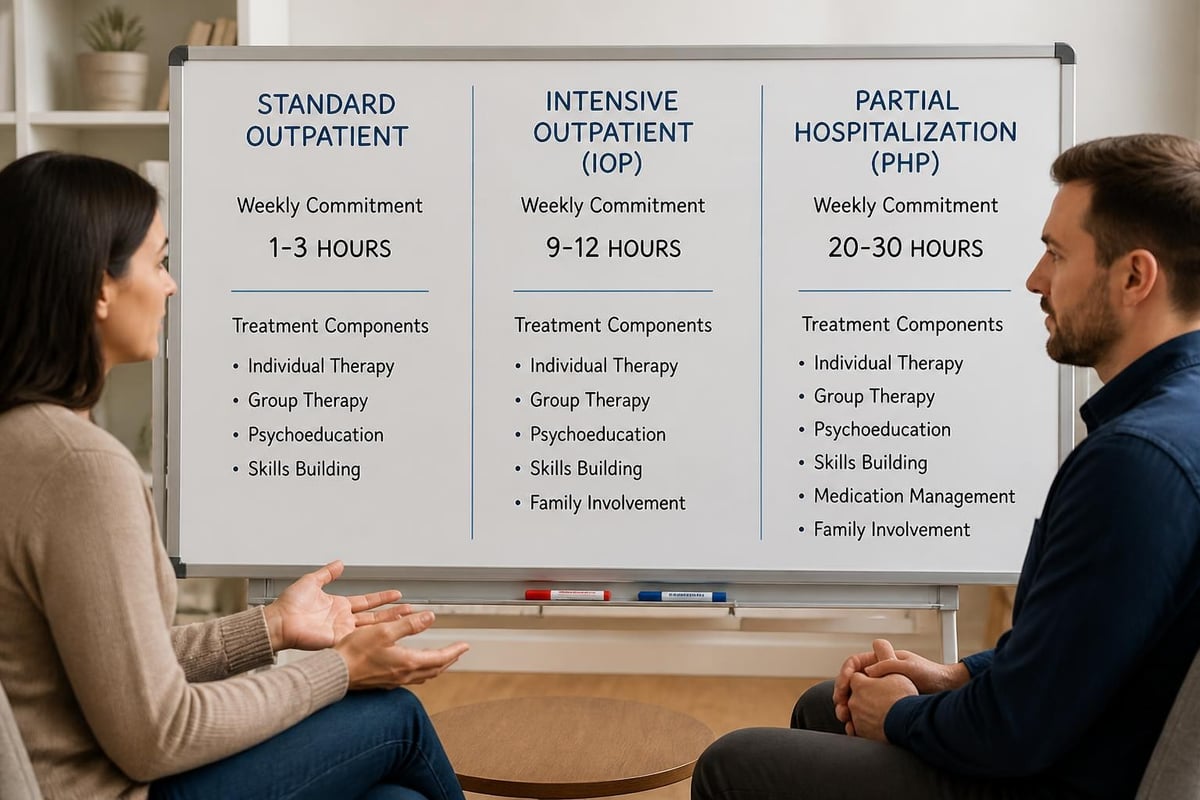
The National Institute on Alcohol Abuse and Alcoholism outlines various alcohol treatment options, helping patients understand the spectrum of care available. Several distinct levels of alcohol outpatient care exist:
- Standard Outpatient Programs (OP): Weekly individual or group therapy sessions, typically 1-2 hours per week
- Intensive Outpatient Programs (IOP): 9-12 hours of programming per week, usually spread across 3-4 days
- Partial Hospitalization Programs (PHP): 20-30 hours weekly, providing hospital-level care without overnight stays
- Continuing Care: Ongoing support following completion of intensive treatment, often monthly or quarterly
Each level addresses different needs and clinical presentations. The appropriate choice depends on addiction severity, co-occurring mental health conditions, previous treatment history, and environmental stability.
Who Benefits Most from Alcohol Outpatient Services
Not every individual with alcohol use disorder is a suitable candidate for outpatient treatment. Clinical assessment determines whether this level of care provides adequate support for successful recovery.
Ideal candidates typically demonstrate several key characteristics. They possess motivation for change and willingness to engage actively in treatment. Their home environment supports recovery rather than undermining it, with family members or roommates who respect sobriety goals. Medical stability is essential-individuals requiring medically supervised detoxification should complete that process before transitioning to outpatient care.
Assessment Criteria
Professional evaluations consider multiple dimensions when recommending treatment levels:
| Assessment Area | Outpatient Suitability Indicators |
|---|---|
| Withdrawal Risk | Minimal to moderate symptoms, no seizure history |
| Medical Complications | No acute conditions requiring 24-hour monitoring |
| Psychological Stability | Manageable co-occurring disorders, low suicide risk |
| Recovery Environment | Supportive home setting, minimal substance access |
| Treatment History | First treatment attempt or successful outpatient history |
Individuals with severe dependence, significant medical complications, unstable housing, or environments saturated with alcohol availability may require higher levels of care initially. However, many patients successfully transition to alcohol outpatient programs after completing residential treatment.
Core Components of Effective Outpatient Treatment
Quality alcohol outpatient programs incorporate evidence-based interventions proven to support long-term recovery. These components work synergistically to address the multifaceted nature of alcohol use disorder.
Individual Therapy
One-on-one counseling sessions form the foundation of personalized treatment planning. Therapists employ cognitive-behavioral therapy (CBT), motivational interviewing, and other modalities to help patients identify triggers, develop coping strategies, and process underlying emotional issues contributing to alcohol use.
Sessions typically occur weekly or bi-weekly, providing consistent accountability and professional guidance. Therapists adjust treatment plans based on progress, setbacks, and evolving needs throughout recovery.
Group Therapy and Peer Support
Group sessions offer unique benefits that individual therapy cannot replicate. Participants share experiences, learn from others facing similar challenges, and develop crucial interpersonal skills. The collective wisdom of the group often provides insights and encouragement that accelerate healing.
- Process groups explore emotions, relationships, and life challenges
- Psychoeducational groups teach relapse prevention skills and recovery principles
- Skill-building groups practice communication, stress management, and problem-solving techniques
Research shows that peer connections formed during treatment significantly predict long-term recovery success. Many programs integrate 12-step facilitation or connect patients with mutual support groups like Alcoholics Anonymous.

Medical Management and Medication-Assisted Treatment
Physicians specializing in addiction medicine provide ongoing medical oversight for alcohol outpatient patients. Regular check-ins monitor physical health, manage co-occurring conditions, and assess medication needs.
Medication-assisted treatment (MAT) has proven highly effective for alcohol use disorder. Three FDA-approved medications support recovery:
Naltrexone blocks opioid receptors, reducing alcohol cravings and the rewarding effects of drinking. It's available as daily pills or monthly injections.
Acamprosate helps restore normal brain chemistry disrupted by chronic alcohol use, reducing physical discomfort during early recovery.
Disulfiram creates unpleasant physical reactions when combined with alcohol, providing a powerful deterrent against impulsive drinking.
Medical providers determine appropriate medication based on individual health profiles, preference, and treatment goals. Combining medication with therapy produces better outcomes than either approach alone.
Treatment Duration and Scheduling Flexibility
The length and intensity of alcohol outpatient programs vary based on individual needs and program design. Standard outpatient treatment often continues for 3-6 months, though many individuals benefit from longer engagement.
Intensive outpatient programs typically run 8-12 weeks before stepping down to standard outpatient care. This progression allows gradual reduction in support as patients build recovery skills and confidence. Research on alcohol treatment outcomes demonstrates that program completion significantly impacts long-term sobriety rates.
Scheduling Considerations
One significant advantage of outpatient care is schedule flexibility. Programs offer various timing options:
- Morning sessions before work (7:00-10:00 AM)
- Evening groups after work hours (6:00-9:00 PM)
- Weekend intensive tracks for working professionals
- Telehealth options for remote participation
This adaptability enables individuals to maintain employment, fulfill family responsibilities, and continue education while receiving treatment. Employers often appreciate the minimal disruption compared to residential programs, making it easier for patients to access care without jeopardizing job security.
Family Involvement and Support Systems
Alcohol use disorder affects entire family systems, not just the individual struggling with dependence. Effective alcohol outpatient programs recognize this reality and incorporate family-focused interventions.
Family therapy sessions help repair damaged relationships, improve communication patterns, and educate loved ones about addiction and recovery. These sessions address enabling behaviors, establish healthy boundaries, and teach family members how to support recovery effectively.
Many programs offer family education workshops covering:
- The neuroscience of addiction
- Recognizing relapse warning signs
- Self-care strategies for family members
- Communication skills for difficult conversations
- Available community resources
When family members understand addiction as a medical condition rather than a moral failure, they become powerful allies in the recovery process. Their involvement often determines whether the home environment supports or undermines treatment progress.
Measuring Success and Tracking Progress
Quality alcohol outpatient programs employ systematic methods to monitor patient progress and adjust treatment as needed. Regular assessments provide objective data about improvement and identify areas requiring additional focus.
Progress Indicators
| Metric | Assessment Method | Frequency |
|---|---|---|
| Abstinence/Reduced Use | Self-report, breathalyzer, urine screens | Weekly to monthly |
| Functional Improvement | Standardized questionnaires | Monthly |
| Mental Health Symptoms | Clinical interviews, screening tools | Bi-weekly to monthly |
| Treatment Engagement | Attendance tracking, participation ratings | Weekly |
| Life Satisfaction | Quality of life assessments | Quarterly |
Patients actively participate in goal-setting and progress review. This collaborative approach increases motivation and personal investment in treatment outcomes. Many programs use data dashboards or apps that allow patients to visualize their improvement over time.

Challenges and Solutions in Outpatient Care
While alcohol outpatient treatment offers numerous advantages, it also presents unique challenges that patients and providers must address proactively.
Environmental Triggers
Living at home means continued exposure to people, places, and situations associated with previous drinking. Successful patients develop specific strategies to navigate these triggers:
- Creating detailed relapse prevention plans identifying high-risk situations
- Establishing alcohol-free social activities and support networks
- Removing alcohol from the home environment
- Practicing refusal skills for social pressure scenarios
- Developing alternative coping mechanisms for stress and negative emotions
Therapists work with patients to anticipate challenges and rehearse responses before encountering triggering situations. Role-playing exercises build confidence and automaticity in healthy responses.
Accountability Structures
Without 24-hour supervision, outpatient patients bear greater responsibility for their recovery choices. Programs implement various accountability measures:
- Regular alcohol screening through breathalyzers or lab tests
- Daily check-ins via phone, text, or app with counselors or sponsors
- Attendance requirements with consequences for missed sessions
- Family or friend involvement as accountability partners
- Structured daily schedules minimizing unstructured time
These structures provide external motivation during moments of weakness while gradually building internal commitment to sobriety.
Transitioning Between Care Levels
Recovery journeys rarely follow straight paths. Many individuals move between different treatment intensities based on changing needs and circumstances.
Step-down transitions occur when patients successfully complete intensive programs and require less structure. Moving from partial hospitalization to intensive outpatient, then to standard outpatient care allows gradual independence while maintaining professional support.
Step-up transitions happen when patients struggle at their current level of care. Increased alcohol use, deteriorating mental health, or life crises may necessitate temporary intensification of services. This flexible approach prevents full relapse by providing additional support during vulnerable periods.
For those seeking comprehensive recovery services, Addiction Helper offers specialized rehab programs across South Africa, including alcohol outpatient options tailored to individual needs and circumstances.
Integration with Recovery Support Services
Successful alcohol outpatient treatment extends beyond clinical programming to incorporate community-based recovery support. These complementary services enhance treatment effectiveness and support long-term wellness.
Recovery coaching provides non-clinical mentorship from individuals with lived recovery experience. Coaches help navigate practical challenges, maintain motivation, and connect with community resources. Unlike therapists who focus on clinical issues, recovery coaches address day-to-day obstacles and celebrate progress milestones.
Mutual support groups like Alcoholics Anonymous, SMART Recovery, or Refuge Recovery offer free, ongoing peer support available in most communities. Many outpatient programs encourage regular attendance and help patients find compatible groups matching their values and preferences.
Holistic Wellness Activities
Comprehensive recovery addresses physical, emotional, and spiritual dimensions of health:
- Exercise programs reducing stress and improving mood
- Nutritional counseling reversing alcohol-related deficiencies
- Mindfulness and meditation practices building emotional regulation
- Creative therapies like art or music fostering self-expression
- Vocational support for employment or education goals
These activities complement formal treatment by building healthy routines, providing natural mood enhancement, and creating meaning beyond alcohol consumption.
Cost Considerations and Insurance Coverage
Financial concerns significantly influence treatment decisions. Understanding cost structures and insurance benefits helps individuals access needed care without overwhelming financial burden.
Alcohol outpatient programs generally cost substantially less than residential treatment. Standard outpatient services may range from $1,500 to $4,000 for a three-month program, while intensive outpatient care typically costs $3,000 to $8,000 for similar duration. These figures vary based on location, program reputation, and included services.
Most medical insurance plans in South Africa provide coverage for addiction treatment, including outpatient services. The Mental Health Care Act mandates parity between mental health and medical benefits, preventing discriminatory coverage limitations. Patients should verify specific benefits, including:
- Covered service types (individual therapy, group therapy, medical management)
- Session limits or treatment duration caps
- Required prior authorization processes
- In-network versus out-of-network coverage differences
- Deductibles, copayments, and coinsurance amounts
Many programs employ financial counselors who verify insurance benefits, submit claims, and arrange payment plans for out-of-pocket expenses.
Cultural Competence and Specialized Populations
Effective alcohol outpatient treatment recognizes that recovery unfolds within cultural contexts. Programs serving diverse populations must demonstrate cultural humility and adapt interventions accordingly.
Cultural factors influence how individuals understand addiction, express distress, involve family, and pursue healing. Programs serving multicultural communities employ staff representing diverse backgrounds and provide language-accessible services when needed.
Specialized Tracks
Many alcohol outpatient programs offer specialized tracks addressing unique population needs:
| Population | Specialized Considerations |
|---|---|
| Young Adults | Academic/career focus, family dynamics, peer influence |
| Older Adults | Medical complexity, grief/loss issues, isolation |
| Veterans | Military culture, trauma exposure, service-connected benefits |
| Healthcare Professionals | Licensure concerns, confidentiality needs, professional identity |
| LGBTQ+ Individuals | Minority stress, discrimination experiences, affirming environment |
These specialized approaches increase engagement and treatment relevance by addressing population-specific challenges and leveraging unique strengths.
Technology Integration in Modern Outpatient Care
The 2026 treatment landscape increasingly incorporates digital tools enhancing traditional alcohol outpatient services. Technology expands access, improves monitoring capabilities, and provides between-session support.
Telehealth platforms enable remote participation in individual and group therapy sessions. This flexibility particularly benefits rural residents, individuals with transportation challenges, or those managing demanding schedules. Research indicates comparable outcomes between in-person and telehealth delivery for many treatment components.
Mobile applications support daily recovery through various features:
- Sobriety tracking and milestone celebrations
- Trigger identification and coping strategy reminders
- Mood and craving logging with pattern analysis
- Emergency support access connecting to counselors or crisis lines
- Educational content and skill-building exercises
Wearable devices monitor physiological indicators of stress and emotional dysregulation, providing early warning of relapse risk. Some programs use this biometric data to trigger just-in-time interventions during vulnerable moments.
Long-Term Recovery and Alumni Support
Completion of formal alcohol outpatient treatment marks a significant milestone, but recovery continues as a lifelong journey. Quality programs recognize this reality and provide ongoing support beyond treatment graduation.
Alumni networks connect former patients for continued peer support and social connection. Regular alumni events, online communities, and mentorship programs maintain engagement and prevent isolation. Many individuals find purpose serving as sponsors or mentors for newer patients, reinforcing their own recovery while supporting others.
Continuing care plans outline post-treatment support structures:
- Frequency of follow-up appointments with therapists or physicians
- Ongoing participation in mutual support groups
- Strategies for managing anticipated challenges or transitions
- Emergency contact procedures for crisis situations
- Scheduled check-ins at 30, 60, 90 days, and beyond
These structured approaches prevent the common pattern of discharge followed by disconnection from support. Maintaining some level of professional or peer contact significantly reduces relapse risk during the critical first year of recovery.
Alcohol outpatient treatment provides a flexible, effective pathway to recovery for individuals ready to address alcohol use disorder while maintaining their daily lives. By combining evidence-based therapies, medical support, peer connection, and personalized planning, these programs help thousands achieve lasting sobriety each year. If you or someone you care about is struggling with alcohol dependence, Addiction Helper offers comprehensive assessment and specialized treatment programs throughout South Africa, providing the professional support needed to begin your recovery journey today.