Making the decision to seek professional help for addiction represents a courageous first step toward recovery. Rehab centres provide structured environments where individuals can address substance use disorders and behavioral addictions through evidence-based treatments and comprehensive support systems. Understanding what these facilities offer, how they operate, and what to expect during treatment helps individuals and families make informed decisions about recovery options. This guide explores the fundamental aspects of rehabilitation centers, from admission procedures to therapeutic approaches, equipping you with the knowledge needed to navigate this critical phase of the recovery journey.
Understanding Different Types of Rehab Centres
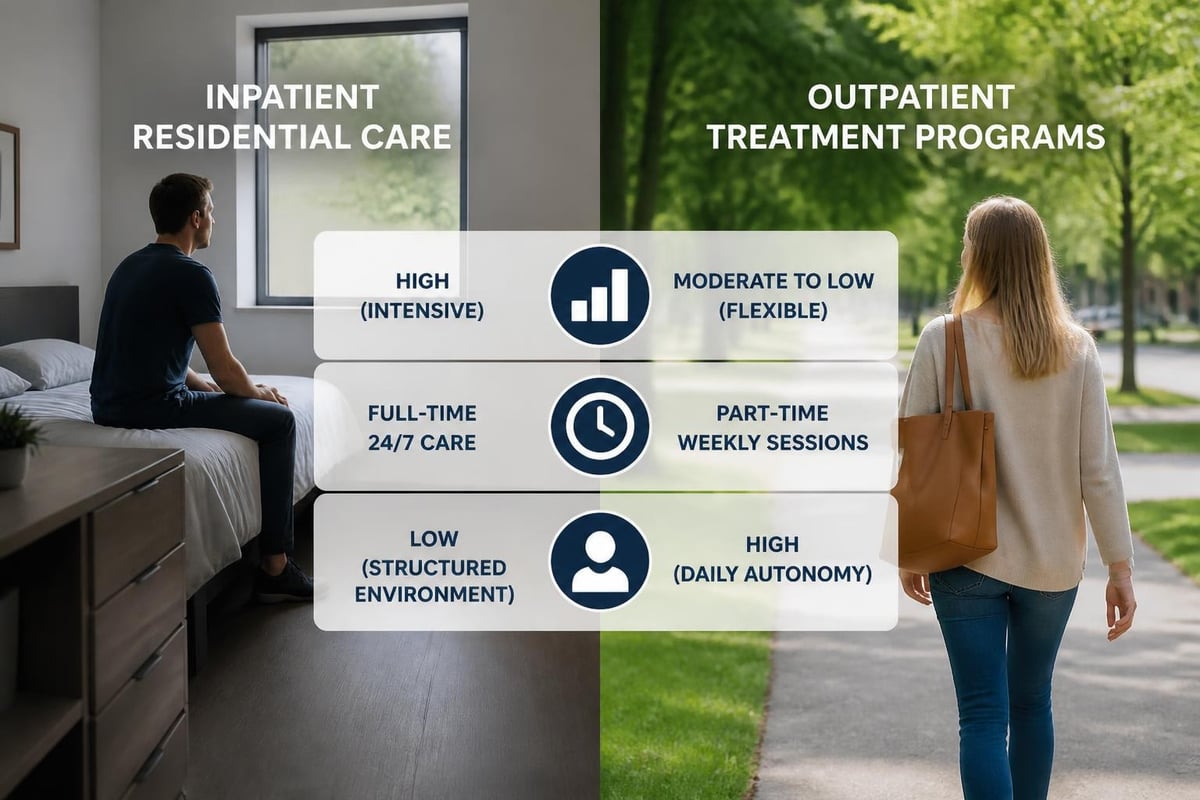
Rehabilitation facilities operate under various models designed to meet diverse patient needs and circumstances. The primary distinction exists between residential (inpatient) and outpatient programs, each offering unique advantages depending on addiction severity, personal obligations, and medical requirements.
Inpatient rehab centres provide 24-hour supervised care in a controlled environment, removing individuals from triggering situations and enabling complete focus on recovery. These facilities typically require stays ranging from 28 days to several months, depending on treatment plans and progress.
Outpatient programs allow individuals to maintain work, school, or family commitments while attending scheduled treatment sessions. These options work effectively for people with:
- Stable home environments
- Strong support networks
- Less severe addiction patterns
- Previous successful completion of inpatient care
Specialized rehab centres focus on specific populations or addiction types. Some facilities cater exclusively to adolescents, while others specialize in dual diagnosis treatment for co-occurring mental health conditions. According to the American Psychiatric Association’s overview of addiction, understanding the specific nature of substance use disorders helps determine the most appropriate treatment setting.
Luxury Versus Standard Facilities
The rehabilitation landscape includes facilities across a broad spectrum of amenities and cost structures. Standard rehab centres focus on evidence-based treatment delivery with comfortable but modest accommodations. Luxury facilities offer additional amenities such as private rooms, spa services, gourmet meals, and recreational activities like equine therapy or yoga studios.
| Feature | Standard Facilities | Luxury Facilities |
|---|---|---|
| Accommodation | Shared rooms | Private suites |
| Staff ratio | 1:6-8 patients | 1:3-4 patients |
| Additional therapies | Core treatments | Holistic options |
| Average cost | Moderate | Premium |
Both facility types deliver the same fundamental therapeutic interventions. The choice often depends on budget, insurance coverage, and personal preferences regarding privacy and comfort during recovery.
The Admission Process at Rehab Centres
Entry into rehabilitation programs follows a structured assessment protocol designed to create personalized treatment plans. Understanding this process reduces anxiety and helps individuals prepare mentally and logistically for admission.
Initial contact typically begins with a confidential phone consultation where intake specialists gather preliminary information about substance use history, mental health status, and immediate medical concerns. This conversation helps determine appropriate care levels and facility matches.
Pre-admission steps include:
- Medical and psychological evaluation
- Insurance verification and financial counseling
- Development of individualized treatment plans
- Coordination of admission logistics and timing
- Family education about the treatment process
Most facilities conduct comprehensive assessments during the first 24-72 hours after admission. Medical teams evaluate physical health, withdrawal risks, and medication needs. Clinical staff assess psychological state, trauma history, and co-occurring disorders. This thorough evaluation informs every aspect of the treatment plan moving forward.
What to Bring to Treatment
Preparing for admission involves practical considerations about personal items. Rehab centres maintain specific policies regarding allowable belongings to maintain safe, distraction-free environments.
Generally acceptable items include comfortable clothing, toiletries (alcohol-free), prescribed medications in original containers, and personal care items. Most facilities prohibit electronics beyond basic phones (sometimes held by staff), valuables, outside food, and anything containing alcohol or triggering substances.
Core Treatment Components
Effective rehabilitation integrates multiple therapeutic modalities addressing the physical, psychological, and social dimensions of addiction. Modern rehab centres employ evidence-based practices proven through research, as highlighted in studies on rehabilitation interventions for substance use disorders.
Medical Detoxification
For individuals with physical dependencies, medically supervised detoxification represents the essential first phase. Clinical teams monitor vital signs, manage withdrawal symptoms, and provide medications when appropriate to ensure safety and comfort during this challenging period.
Detoxification timelines vary by substance:
- Alcohol: 5-7 days for acute withdrawal
- Opioids: 5-10 days for physical symptoms
- Benzodiazepines: 2-8 weeks with tapering protocols
- Stimulants: 3-5 days for initial crash phase
Medical professionals remain available continuously during detox, adjusting protocols based on individual responses and emerging complications.
Individual and Group Therapy
Psychological treatment forms the foundation of lasting recovery. Individual counseling sessions provide private spaces to explore personal trauma, develop coping strategies, and address underlying issues contributing to substance use. Therapists employ various approaches including Cognitive Behavioral Therapy (CBT), Dialectical Behavior Therapy (DBT), and motivational interviewing.

Group therapy creates peer support environments where individuals share experiences, learn from others' journeys, and practice interpersonal skills essential for recovery. These sessions reduce isolation and normalize the recovery process.
Benefits of group therapy include:
- Reduced feelings of shame and isolation
- Peer accountability and motivation
- Opportunities to practice communication skills
- Diverse perspectives on similar challenges
- Cost-effective therapeutic intervention
Family Involvement and Support Systems
Addiction impacts entire family systems, not just individuals struggling with substance use. Progressive rehab centres recognize this reality and integrate family members into the treatment process through education, therapy, and ongoing support programming.
Family therapy sessions help repair damaged relationships, establish healthy boundaries, and educate loved ones about addiction as a medical condition rather than a moral failing. These interventions prove particularly valuable because family dynamics often contribute to both the development and maintenance of addictive behaviors.
Educational workshops teach families about:
- The neuroscience of addiction
- Enabling versus supporting behaviors
- Communication strategies for recovery
- Relapse warning signs and intervention protocols
- Self-care for family members
Some facilities offer dedicated family programs where relatives can participate in their own therapeutic work, addressing codependency patterns and developing personal wellness practices. This comprehensive approach strengthens the entire support network surrounding individuals in recovery.
Continuing Care Planning
Successful rehabilitation extends beyond facility discharge. Comprehensive rehab centres develop detailed aftercare plans addressing the transition back to daily life while maintaining recovery momentum.
Continuing care components typically include outpatient therapy referrals, 12-step or alternative support group connections, sober living arrangements when needed, and scheduled follow-up appointments with treatment teams. These structured supports help individuals navigate early recovery challenges when relapse risks remain highest.
Measuring Success and Long-Term Outcomes
Evaluating rehabilitation effectiveness requires understanding that recovery represents a long-term process rather than a single event. Rehab centres track various metrics to assess program quality and patient progress.
Key success indicators include:
- Completion rates for treatment programs
- Abstinence rates at 30, 60, and 90-day intervals
- Employment or educational engagement post-treatment
- Improved family and social relationships
- Reduction in legal or financial problems related to substance use
Research indicates that individuals completing full treatment programs demonstrate significantly better outcomes than those who leave prematurely. The World Health Organization emphasizes rehabilitation’s importance in comprehensive health systems, recognizing its role in restoring function and improving quality of life.
| Timeframe | Average Abstinence Rate | Contributing Factors |
|---|---|---|
| 30 days | 65-70% | Fresh from treatment, high motivation |
| 90 days | 50-55% | Navigating real-world triggers |
| 1 year | 40-45% | Established recovery practices |
| 5 years | 35-40% | Long-term lifestyle changes |
These statistics reflect the chronic nature of addiction and highlight why ongoing support remains essential beyond initial treatment.

Financial Considerations and Insurance Coverage
Understanding payment options helps eliminate barriers to accessing treatment. Rehab centres work with various payment sources, and many facilities employ financial counselors who help navigate insurance benefits and alternative funding options.
Insurance and Treatment Coverage
The Mental Health Parity and Addiction Equity Act requires insurance companies to cover addiction treatment similarly to other medical conditions. Most private insurance plans provide some level of rehabilitation coverage, though specific benefits vary significantly between policies.
Coverage considerations include deductibles, copayments, coverage limits, and network restrictions. Many facilities offer direct insurance billing and pre-authorization services to clarify expected costs before admission. For those seeking comprehensive support, Addiction Helper offers specialized rehab programs across South Africa that work with various insurance providers and payment options to make treatment accessible.
Questions to ask insurance providers:
- What is my deductible and out-of-pocket maximum?
- How many days of inpatient treatment are covered annually?
- Are specific facilities within my network?
- What authorization or documentation is required?
- Does coverage continue for outpatient and aftercare services?
Alternative Funding Options
For individuals without adequate insurance coverage, rehab centres often provide payment plans, sliding scale fees based on income, or scholarship programs funded by foundations and community organizations. State-funded facilities offer low-cost or free treatment, though waiting lists may exist.
Some employers maintain Employee Assistance Programs (EAP) that cover or subsidize addiction treatment. Additionally, healthcare financing companies specialize in medical loans for rehabilitation services, enabling individuals to begin treatment immediately while managing costs over time.
Specialized Treatment Approaches
Modern rehabilitation incorporates diverse therapeutic modalities beyond traditional talk therapy and 12-step programs. These specialized approaches address the complex nature of addiction and individual differences in learning styles, backgrounds, and treatment responses.
Holistic therapies integrate mind-body practices such as meditation, yoga, acupuncture, and nutritional counseling. These interventions address overall wellness and teach stress management techniques valuable throughout recovery.
Experiential therapies use activities like art therapy, music therapy, adventure therapy, and equine-assisted therapy to access emotions and insights that may not emerge through conventional counseling. These approaches prove particularly effective for individuals with trauma histories or those who struggle with traditional talk therapy formats.
Medication-Assisted Treatment (MAT) combines behavioral therapies with FDA-approved medications for opioid and alcohol use disorders. Medications like methadone, buprenorphine, and naltrexone reduce cravings and withdrawal symptoms, allowing individuals to focus on psychological recovery work. The SAMHSA treatment locator helps individuals find facilities offering MAT services.
Gender-Specific and Cultural Considerations
Research demonstrates that gender-specific programming improves outcomes for many individuals. Women-only and men-only programs address unique trauma patterns, social pressures, and biological factors affecting addiction and recovery.
Cultural competency in treatment settings ensures that therapeutic approaches respect diverse backgrounds, traditions, and belief systems. Facilities with multilingual staff and culturally informed programming better serve diverse populations and create inclusive healing environments.
Daily Life in Residential Treatment
Understanding typical daily routines helps set realistic expectations for residential rehabilitation experiences. Structured schedules provide stability and purpose while teaching time management skills essential for sustainable recovery.
Most facilities maintain consistent wake and sleep times, with days divided between therapeutic activities, meals, personal time, and recreation. A typical schedule might include morning meditation, breakfast, group therapy, individual counseling, lunch, educational workshops, recreational activities, dinner, 12-step meetings, and evening reflection time.
Common daily activities include:
- Morning wellness check-ins and goal setting
- Educational lectures on addiction neuroscience and recovery skills
- Process groups exploring emotions and interpersonal dynamics
- Physical fitness activities promoting overall health
- Life skills workshops covering budgeting, communication, and stress management
- Quiet time for journaling, reading, or reflection
This structured approach helps individuals develop healthy routines while providing enough variety to maintain engagement throughout treatment duration. Weekend schedules often incorporate more recreational activities and visitor time when facility policies allow.
Choosing appropriate rehabilitation represents a significant decision with lasting implications for health, relationships, and quality of life. Rehab centres provide professional expertise, structured environments, and comprehensive support systems that dramatically increase recovery success rates compared to attempting sobriety independently. Whether you're seeking help for yourself or a loved one, Addiction Helper provides specialized addiction recovery services throughout South Africa, including personalized treatment plans, family support, and ongoing care coordination. Take the first step toward lasting recovery by reaching out to Addiction Helper today for a confidential consultation about treatment options tailored to your specific needs.