Beginning the journey toward recovery from addiction requires courage, commitment, and the right professional support. First step rehabilitation services represent the critical initial phase of treatment that sets the foundation for long-term sobriety. These services encompass comprehensive assessment, medical evaluation, detoxification support, and treatment planning that address both the physical and psychological aspects of substance use disorders. Understanding what happens during this crucial early stage helps individuals and families make informed decisions about addiction treatment and prepares them for the path ahead.
Understanding First Step Rehabilitation Services
First step rehabilitation services form the cornerstone of effective addiction treatment by providing structured, evidence-based interventions during the most vulnerable period of recovery. These services typically begin the moment an individual reaches out for help and continue through the initial weeks of treatment.
The primary objective of first step rehabilitation services involves creating a safe, supportive environment where individuals can begin addressing their substance use disorder with professional guidance. This phase includes medical screening, psychological assessment, crisis intervention when necessary, and the development of an individualized treatment plan tailored to each person's unique circumstances.
Core Components of Initial Rehabilitation
Assessment and Evaluation: The foundation of first step rehabilitation services rests on comprehensive assessment protocols that examine:
- Medical history and current health status
- Substance use patterns and severity
- Co-occurring mental health conditions
- Social support systems and living environment
- Previous treatment experiences and outcomes
- Readiness and motivation for change
Medical Stabilization: Physical safety takes priority during early recovery. Medical professionals monitor vital signs, manage withdrawal symptoms, and address any immediate health concerns that could complicate treatment.
Treatment Planning: Based on assessment findings, clinical teams develop personalized recovery roadmaps that outline therapeutic approaches, program duration, and specific goals for each phase of treatment.

The Assessment Process in First Step Services
Thorough assessment distinguishes effective first step rehabilitation services from generic treatment approaches. The Substance Abuse and Mental Health Services Administration emphasizes that proper screening identifies not only the substance use disorder but also underlying factors contributing to addiction.
Biopsychosocial Evaluation
Clinical teams examine three interconnected domains during initial assessment:
| Domain | Evaluation Focus | Key Considerations |
|---|---|---|
| Biological | Physical health, genetics, withdrawal risk | Medical complications, medication needs, detox requirements |
| Psychological | Mental health, trauma history, cognitive function | Co-occurring disorders, emotional regulation, coping skills |
| Social | Relationships, employment, legal issues | Support networks, housing stability, family dynamics |
This comprehensive approach ensures that first step rehabilitation services address the whole person rather than focusing solely on substance use behaviors.
Determining Level of Care
Assessment results guide clinicians in recommending the appropriate treatment intensity. Options range from outpatient counseling to residential rehabilitation, with the decision based on factors including:
- Severity of addiction and withdrawal potential
- Presence of co-occurring mental health disorders
- Environmental triggers and support availability
- Previous treatment history and relapse patterns
- Personal responsibilities and commitments
The National Institute on Alcohol Abuse and Alcoholism provides detailed guidance on matching individuals to appropriate treatment settings based on their specific needs.
Medical Detoxification and Stabilization
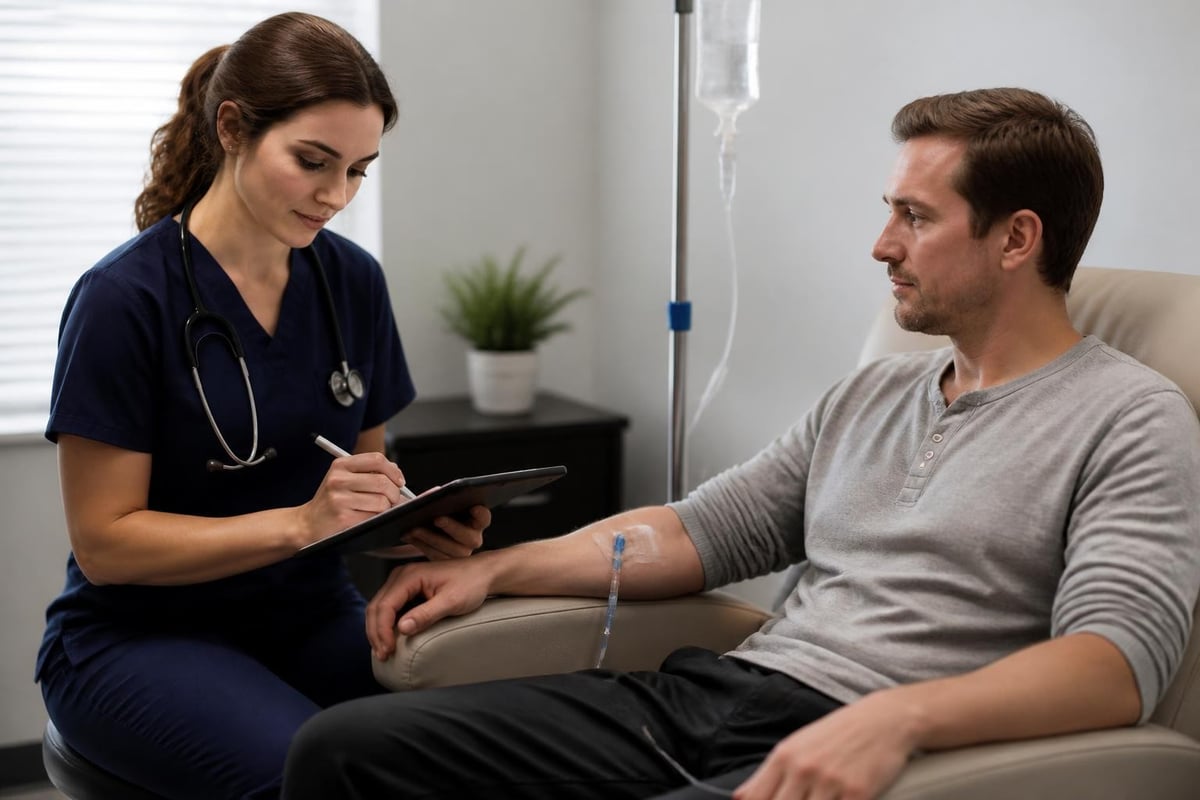
For many individuals entering first step rehabilitation services, medical detoxification represents the initial priority. Withdrawal from alcohol, benzodiazepines, opioids, and other substances can produce dangerous physical symptoms requiring medical supervision.
Withdrawal Management Protocols
Professional detoxification services provide 24-hour monitoring and intervention to ensure safety during the withdrawal process. Medical teams may administer medications to reduce discomfort, prevent complications, and minimize cravings during this challenging period.
Common withdrawal management approaches include:
- Gradual tapering protocols for benzodiazepine or alcohol dependence
- Medication-assisted treatment for opioid withdrawal
- Symptomatic relief for stimulant cessation effects
- Nutritional support and hydration management
- Sleep regulation and emotional stabilization
The duration of medically supervised detoxification varies depending on the substance involved and individual health factors, typically ranging from three to ten days for most substances.
Transition to Therapeutic Programming
First step rehabilitation services seamlessly bridge medical detoxification with therapeutic treatment. As physical stabilization occurs, individuals begin engaging with counselors, participating in educational sessions, and starting to develop coping strategies for long-term recovery.
This transition period requires careful coordination between medical and clinical staff to ensure individuals receive appropriate support as they move from acute withdrawal management to active rehabilitation programming.
Psychological and Behavioral Interventions
Beyond medical stabilization, first step rehabilitation services incorporate evidence-based psychological interventions that help individuals understand their addiction and develop healthier behavioral patterns.
Individual Counseling Sessions
One-on-one therapy provides a confidential space for exploring the root causes of substance use, identifying triggers, and developing personalized coping strategies. Therapeutic modalities commonly used during initial rehabilitation include:
- Cognitive Behavioral Therapy (CBT): Identifies and modifies thought patterns that contribute to substance use
- Motivational Interviewing: Strengthens personal commitment to change and resolves ambivalence
- Trauma-Informed Care: Addresses past traumatic experiences contributing to addiction
- Dialectical Behavior Therapy (DBT): Teaches emotional regulation and distress tolerance skills
Group Therapy and Peer Support
Structured group sessions form an integral component of first step rehabilitation services. These gatherings provide opportunities to learn from others facing similar challenges, practice communication skills, and build a recovery-oriented support network.
Group therapy topics during early treatment typically address:
- Understanding addiction as a chronic health condition
- Recognizing personal triggers and high-risk situations
- Developing relapse prevention strategies
- Rebuilding damaged relationships
- Managing co-occurring mental health symptoms
The National Institute of Mental Health highlights the importance of addressing mental health conditions alongside substance use disorders for optimal outcomes.
Family Involvement and Support Systems
Effective first step rehabilitation services recognize that addiction affects entire family systems, not just the individual struggling with substance use. Family involvement during initial treatment phases strengthens recovery outcomes and helps repair damaged relationships.
Family Education Programs
Educational sessions help loved ones understand addiction as a brain disease rather than a moral failing. These programs cover:
- The neuroscience of addiction and recovery
- Enabling behaviors versus supportive actions
- Communication strategies for difficult conversations
- Setting healthy boundaries while maintaining connection
- Self-care for family members affected by addiction
Family Therapy Sessions
Structured family counseling addresses relationship dynamics, resolves conflicts, and establishes new patterns of interaction that support recovery. Therapists work with families to identify dysfunctional patterns and develop healthier ways of relating to one another.
Organizations like Nar-Anon Family Groups provide additional support for families navigating the challenges of a loved one's addiction, complementing professional family therapy services.
Developing a Personalized Recovery Plan
First step rehabilitation services culminate in the creation of a comprehensive, individualized recovery plan that extends beyond initial treatment. This document serves as a roadmap for ongoing recovery work and includes specific, measurable goals across multiple life domains.
| Recovery Domain | Example Goals | Supporting Strategies |
|---|---|---|
| Sobriety Maintenance | Attend 90 meetings in 90 days | Daily check-ins, sponsor relationship, routine schedule |
| Mental Health | Reduce anxiety symptoms by 50% | Weekly therapy, medication management, mindfulness practice |
| Physical Health | Establish regular exercise routine | Gym membership, nutrition counseling, sleep hygiene |
| Relationships | Repair trust with family members | Family therapy, consistent communication, demonstrated reliability |
| Career/Education | Return to work or school | Vocational counseling, time management skills, stress reduction |
Continuing Care Arrangements
First step rehabilitation services prepare individuals for the transition to ongoing treatment through careful discharge planning. This includes arranging outpatient therapy appointments, connecting with mutual support groups, establishing primary care follow-up, and identifying sober living options when appropriate.
The National Institute on Drug Abuse emphasizes that addiction treatment must be ongoing and adjusted as needed, with most individuals requiring at least 90 days of treatment for significant improvement.
Addressing Co-Occurring Disorders
A significant percentage of individuals entering first step rehabilitation services present with co-occurring mental health conditions alongside substance use disorders. Integrated treatment addressing both conditions simultaneously produces better outcomes than sequential treatment approaches.

Common Co-Occurring Conditions
Mental health disorders frequently accompanying addiction include:
- Major depressive disorder and persistent depressive disorder
- Generalized anxiety disorder and panic disorder
- Post-traumatic stress disorder (PTSD)
- Bipolar disorder
- Attention-deficit/hyperactivity disorder (ADHD)
- Personality disorders
First step rehabilitation services incorporate psychiatric evaluation, medication management when appropriate, and specialized therapeutic interventions designed to address both conditions within an integrated framework.
Medication-Assisted Treatment Options
For certain substance use disorders, particularly opioid and alcohol addiction, medications play a crucial role in first step rehabilitation services. The American Psychiatric Association recognizes medication-assisted treatment as the gold standard for opioid use disorder.
Common medications used in early recovery include:
- Buprenorphine or methadone for opioid use disorder
- Naltrexone for alcohol or opioid dependence
- Acamprosate for alcohol cravings and withdrawal
- Disulfiram as an alcohol deterrent
- Psychiatric medications for co-occurring mental health conditions
Building Essential Recovery Skills
First step rehabilitation services equip individuals with practical skills necessary for maintaining sobriety after formal treatment concludes. Skill development occurs through educational workshops, experiential activities, and repeated practice in safe environments.
Relapse Prevention Techniques
Understanding relapse as a process rather than an event helps individuals recognize warning signs before returning to substance use. Key relapse prevention skills include:
- Identifying personal high-risk situations and triggers
- Developing effective coping strategies for cravings
- Creating emergency response plans for crisis moments
- Building a diverse support network
- Practicing self-care and stress management techniques
Life Skills Training
Many individuals entering treatment have neglected basic life skills during active addiction. First step rehabilitation services address these gaps through practical training in areas such as:
- Financial management and budgeting
- Time management and organization
- Healthy meal planning and nutrition
- Job search and interview skills
- Conflict resolution and assertive communication
The Role of Mutual Support Groups
Connection with mutual support communities forms an essential component of comprehensive first step rehabilitation services. Programs like Alcoholics Anonymous and other 12-step fellowships provide ongoing peer support that extends well beyond formal treatment.
Introduction to 12-Step Programs
Early exposure to mutual support groups during first step rehabilitation services helps individuals:
- Understand the principles of peer-based recovery
- Identify potential sponsors for ongoing guidance
- Build relationships with others in recovery
- Develop comfort with vulnerability and honesty
- Learn from others' experience, strength, and hope
Alternative Support Models
While 12-step programs benefit many individuals, first step rehabilitation services also introduce alternative support options including SMART Recovery, Refuge Recovery, and secular support groups that appeal to those seeking different approaches to peer support.
Measuring Progress and Adjusting Treatment
Effective first step rehabilitation services incorporate regular assessment of progress toward treatment goals. Clinical teams use standardized measurement tools to track changes in addiction severity, mental health symptoms, and overall functioning.
Key performance indicators during early treatment:
- Days of continuous sobriety maintained
- Participation level in therapeutic activities
- Application of coping skills in challenging situations
- Improvement in co-occurring mental health symptoms
- Quality of relationships with family and peers
- Physical health markers and wellness behaviors
Treatment plans remain flexible documents that evolve based on individual progress, emerging needs, and changing circumstances. Regular reviews ensure that first step rehabilitation services continue meeting each person's unique requirements.
Cultural Sensitivity and Individualized Care
Recognition that addiction affects people across all demographic groups requires first step rehabilitation services to incorporate cultural competence and sensitivity. Treatment approaches must respect individual backgrounds, belief systems, and cultural contexts while delivering evidence-based care.
Tailoring Services to Individual Needs
Personalized first step rehabilitation services consider factors including:
- Cultural and religious beliefs affecting treatment preferences
- Language barriers requiring interpretation services
- Gender-specific trauma and recovery needs
- LGBTQ+ affirming care environments
- Age-appropriate interventions for adolescents or older adults
- Accommodation of physical disabilities or limitations
For individuals in South Africa seeking comprehensive addiction treatment, Addiction Helper offers specialized rehab programs tailored to various substance and process addictions, along with mental health services, family interventions, and ongoing support throughout the recovery journey.
Creating a Foundation for Lasting Recovery
First step rehabilitation services represent far more than the initial days or weeks of treatment. These services establish patterns, skills, and connections that support individuals throughout their recovery journey. The quality of care received during this critical period significantly influences long-term outcomes.
Investment in comprehensive first step rehabilitation services pays dividends through reduced relapse rates, improved quality of life, and successful reintegration into family and community roles. While recovery requires ongoing commitment beyond initial treatment, the foundation built during these early services creates the stability necessary for sustained sobriety.
The journey from active addiction to recovery begins with a single courageous decision to seek help, followed by engagement with professional first step rehabilitation services that provide structure, support, and evidence-based interventions during the most challenging period of early recovery.
First step rehabilitation services provide the essential foundation that transforms the decision to seek help into meaningful, lasting recovery. Through comprehensive assessment, medical stabilization, therapeutic intervention, and personalized planning, these services address both immediate needs and long-term recovery goals. If you or a loved one is struggling with addiction, Addiction Helper offers the professional support, specialized treatment programs, and compassionate care needed to take that critical first step toward a healthier, substance-free life.